Dong Quai | Traditional Herbal Medicines
🌿 Dong Quai – A TCM herb for nourishing blood, regulating menstruation, and supporting healthy skin
Dong Quai, known in Vietnamese as Đương quy, is one of the most familiar herbs in TCM. It is widely valued for nourishing blood, regulating the menstrual cycle, supporting circulation, and helping the complexion look healthier. Often described as a “female ginseng” in traditional use, this herb is not only medicinal but also a precious ingredient in nourishing soups and wellness formulas.

Dong Quai – TCM herb for nourishing blood and regulating menstruation
- Scientific name / Pinyin / Chinese: Angelica sinensis / Dang Gui / 当归
- Flavors, Nature – Meridian: Sweet, Pungent, Warm Nature – enters the Heart, Liver, and Spleen Meridians
- Main benefits: Helps nourish blood, support menstrual balance, improve circulation, ease menstrual discomfort, support recovery from weakness, and promote a healthier-looking complexion.
- Reference dosage: 6–15 g/day, commonly used as a decoction or cooked with nourishing foods.
1. Origin and description
Dong Quai is the dried root of Angelica sinensis, a plant in the parsley family (Apiaceae). It is mainly cultivated in high mountain regions of China such as Sichuan and Gansu, and has also been introduced into Vietnam.
The plant is about 40–80 cm tall, with compound leaves, small white flowers, and a strongly aromatic root. The root is the medicinal part. After harvesting, it is washed, sliced, and dried. Good quality material is yellowish brown, aromatic, slightly Sweet and Pungent, and produces a rich golden-brown decoction with a distinctive herbal scent.
Different parts of the root may be used with slightly different emphasis. Quy đầu is often associated with blood nourishment, while Quy vĩ is more often used when blood movement is emphasized.
2. Related names of the herb
The name Đương quy is traditionally explained as “bringing qi and blood back to where they should belong.” “Đương” means should, and “quy” means return.
Other names: Đương quy tu, Toàn quy, Quy vĩ, Tây sương quy, Can quy, Thảo đầu quy, Tần quy, Văn quy, Nữ nhị thiên, Quy thân, Quy đầu.
Scientific herbal name: Angelica sinensis (Oliv.) Diels. Pinyin name: Dang Gui. Chinese name: 当归 / 當歸.
These names may vary by root part, region, and supplier. When buying the herb, choose clean, fragrant slices with a clear origin.
3. Flavors, Nature – Meridian
In TCM, the herb has a Sweet and Pungent flavor with a Warm Nature. The Sweet flavor helps nourish and build blood. The Pungent flavor helps move and circulate. The Warm Nature gently supports circulation without being overly hot.
The herb enters the Heart, Liver, and Spleen Meridians. The Heart relates to blood and spirit. The Liver stores blood and relates to menstruation, tendons, and emotional flow. The Spleen helps create qi and blood from food. Because of this, the herb is used when blood deficiency and poor circulation appear together.

Dong Quai whole root | Thanh Tam Herbs
4. Benefits of the herb in TCM
This is a leading herb for nourishing and moving blood. In simple words, it supports people who feel tired, look pale, get dizzy easily, or have menstrual discomfort related to blood deficiency or blood stagnation.
Common traditional benefits include supporting blood production, improving circulation, regulating menstruation, easing cramps, supporting postpartum recovery, and helping the skin look more radiant by encouraging better blood flow. It is also used in formulas for mild muscle or joint discomfort when poor circulation is part of the pattern.
The herb is often paired with qi-tonifying herbs such as Ren Shen, Huang Qi, or Dang Shen when both qi and blood need support.
5. How to use and dosage
The herb can be used in several ways depending on the purpose:
- Decoction: Use 6–15 g/day, often combined with Shu Di Huang, Bai Shao, and Chuan Xiong in Si Wu Tang, a classic blood-nourishing and menstrual-regulating formula.
- Food therapy: Cook with chicken soup or porridge to support blood, ease menstrual discomfort, and restore energy.
- Herbal wine: Sometimes soaked with Ren Shen or goji berries for general nourishment, especially in people with weak qi and blood.
Use should match body constitution. People who easily feel hot, bleed heavily, or have digestive upset should not use it casually.
6. Indications and contraindications
Indications
This herb is traditionally used for blood deficiency, pale complexion, dizziness, menstrual irregularity, menstrual cramps, postpartum weakness, mild joint discomfort, poor circulation, and recovery after illness when qi and blood are depleted.
Contraindications
Pregnant women should be cautious because the herb may influence uterine movement in certain contexts. People with diarrhea, digestive disturbance, common cold, fever, or active bleeding should avoid self-use. Those taking blood thinners, hormone-related medication, or long-term prescriptions should ask a Herb doctor or healthcare professional before use.

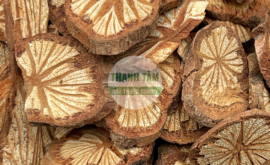
Dong Quai sliced root | Thanh Tam Herbs
7. Reference herbal combinations with Đương quy
- Nourishing chicken soup: Hoài sơn, Đảng sâm, Bắc kỳ, Hạt sen, Astragalus Root, Thục địa, Quy đầu, Xuyên khung, Bạch chỉ, Đỗ trọng, Kỷ tử, Đại táo – used for pregnancy, postpartum recovery, older adults, and poor appetite.
- Si Wu Tang: Dong Quai + Shu Di Huang + Bai Shao + Chuan Xiong – a classic formula for nourishing blood and regulating menstruation.
- Shi Quan Da Bu Tang: Dong Quai, Ren Shen, Huang Qi, Shu Di Huang, and other herbs – used to support qi and blood after illness.
- Postpartum formula: Đương quy, Thục địa, Bạch thược, Xuyên khung, black-roasted Gan Jiang, lightly roasted black beans, Ze Lan, Niu Xi, Yi Mu Cao, and Pu Huang.
- Sleep difficulty from blood deficiency: Dong Quai + Suan Zao Ren + Yuan Zhi + Ren Shen + Fu Shen.
These combinations are for reference only and do not replace a prescription from a Herb doctor.
8. Frequently asked questions
- Can Dong Quai be used every day?
It may be used in small food-therapy amounts, such as 3–6 g/day, but daily use should match body constitution and menstrual condition. - Is it the same as ginseng?
No. Dong Quai mainly nourishes blood, while ginseng mainly tonifies qi. They are often combined when the whole body needs deeper support. - Can using too much make the body feel hot?
Its Warm Nature is gentle, but people with heat signs or active bleeding should use caution and seek guidance.
👉 Thanh Tam Herbs – Trusted Herbal pharmacy for authentic TCM herbs
Nguồn tham khảo
- Dược điển Việt Nam.
- Lương y Hy Lãn Hoàng Văn Vinh, Cây thuốc vị thuốc Đông y, Nhà xuất bản Hà Nội, 2001.
- Tài liệu, hướng dẫn và thông tin chuyên ngành từ Bộ Y tế.
Rate this article
How useful was this article?
Tác giả bài viết