Andrographis | Traditional Herbal Medicines
🌿 Andrographis – A TCM Herb for Clearing Heat, Detoxifying, and Drying Dampness
Andrographis, known as Xuyên tâm liên or Chuan Xin Lian, is the dried aerial part of Andrographis paniculata (Burm.f.) Nees. In TCM, it has a very Bitter flavor and a Cold nature. It is traditionally used to clear Heat, detoxify, dry Dampness, and support conditions such as cough, sore throat, diarrhea, or certain skin eruptions when appropriate for the individual pattern.
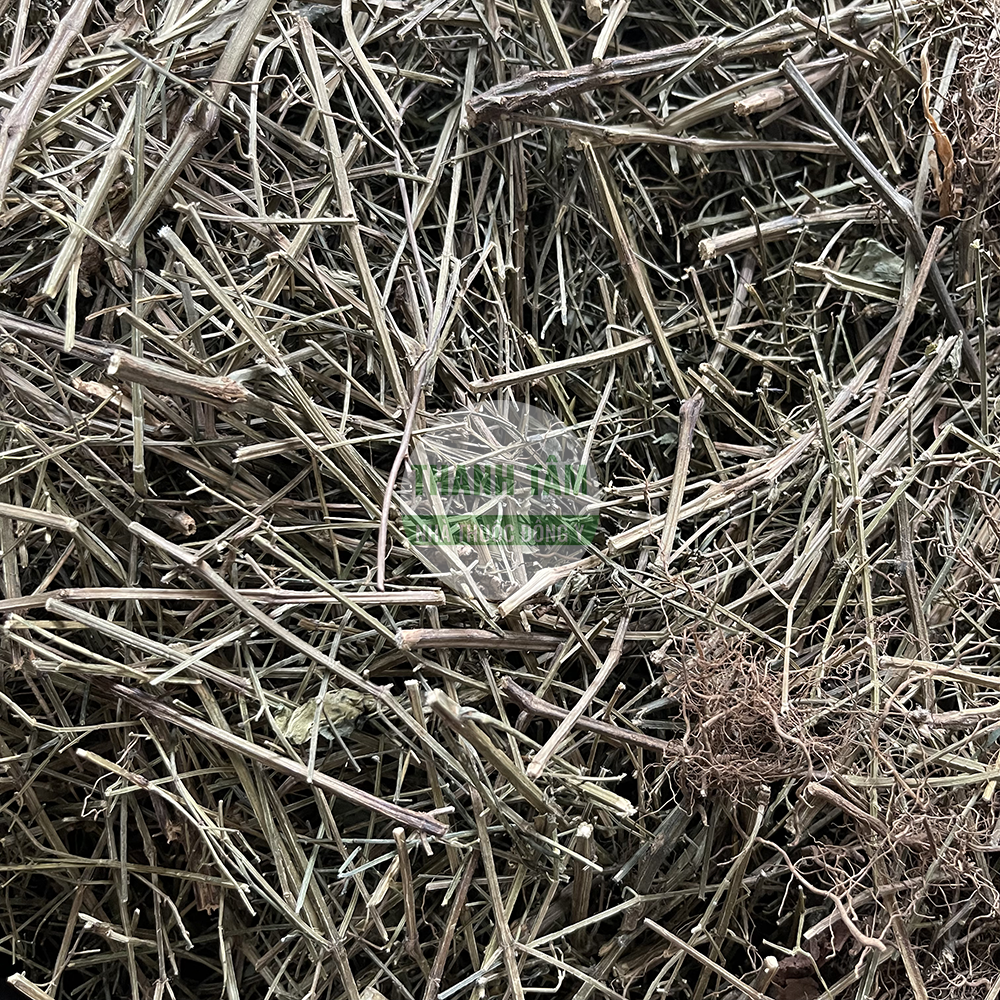
- Scientific name / Pinyin / Chinese: Herba Andrographii / Chuan Xin Lian / 穿心莲.
- Flavors, Nature – Meridian: Very Bitter, Cold; associated with the Lung, Liver, and Spleen Meridians.
- Main benefits: Traditionally clears Heat, detoxifies, dries Dampness, and supports cough, sore throat, diarrhea, and certain skin eruptions.
- Reference dosage: 4–16 g daily as a decoction or powder.
1. Origin and description
The medicinal material is obtained from the aerial parts of Andrographis paniculata, an herbaceous plant in the Acanthaceae family. The plant has a square branching stem, opposite lance-shaped leaves, and small white flowers with purple markings that grow in clusters at the leaf axils and branch tips.
It is usually harvested as buds appear or flowering begins, then cleaned, cut, and dried. The dried herb has thin, brittle stems, a mild odor, and an intensely bitter taste.
Store it in a cool, dry place away from moisture and mold.
2. Related names of Andrographis
Other names: Xuyên tâm liên, Công cộng, Khổ đởm thảo, Nhất kiến hỷ, cây lá đắng, Andrographis, King of Bitters.
Scientific name: Andrographis paniculata (Burm.f.) Nees.
Pinyin name: Chuan Xin Lian.
Chinese name: 穿心莲.
Check the botanical name, medicinal part, and source to reduce the risk of confusion with other bitter herbs.
3. Flavors, Nature – Meridian
According to the Vietnamese Pharmacopoeia, this herb has a very Bitter flavor and a Cold nature. It is traditionally associated with the Lung, Liver, and Spleen Meridians.
Within TCM theory, a Bitter flavor and Cold nature are commonly associated with clearing Heat, detoxifying, and drying Dampness. The Lung Meridian is traditionally linked with cough and throat discomfort, while the Liver and Spleen Meridians may be considered in certain Damp-Heat patterns.
4. Benefits of Andrographis in TCM
- Clears Heat and detoxifies: Traditionally used when Heat signs are present, including sore or swollen throat, certain boils, or inflammatory patterns classified as Heat in TCM.
- Clears Lung Heat and supports cough relief: It may be included in formulas for cough, throat irritation, or cough associated with Lung Heat.
- Dries Dampness and clears intestinal Heat: Traditional use includes certain cases of diarrhea, dysentery, or digestive discomfort assessed as Damp-Heat.
- External use: Fresh leaves have traditionally been crushed for topical application or prepared as a wash for boils, itching, or superficial skin irritation.
High fever, difficulty breathing, or diarrhea with dehydration requires medical evaluation.
5. How to use and dosage
According to the Vietnamese Pharmacopoeia, a common reference dosage is 4–16 g per day, usually prepared as a decoction or powder. Its extremely bitter taste may make the decoction difficult to drink.
For external use, traditional references may use approximately 20–40 g of fresh leaves, crushed for topical application or boiled in water and used as a wash. Do not apply it to deep wounds or severely infected skin.
Avoid high doses or prolonged use without professional guidance because it may cause digestive discomfort.
6. Indications and contraindications
Indications
Traditional references describe use for sore throat, tonsillar discomfort, cough, whooping cough, intestinal inflammation, acute dysentery, boils, and certain Damp-Heat patterns. Selection should depend on TCM pattern differentiation.
Pneumonia, viral hepatitis, and urinary tract infection require appropriate medical diagnosis and treatment.
Contraindications and precautions
Prolonged use is generally not recommended because the herb is very Bitter and Cold and may affect digestion. People with Deficiency-Cold patterns, frequent abdominal coldness, loose stools, poor appetite, or digestive weakness should use caution.
Pregnant or breastfeeding individuals, young children, and people taking regular medication should consult a physician or Herb doctor. Snakebite requires emergency medical care.
7. Reference herbal combinations with Xuyên tâm liên
- Sore or swollen throat associated with Heat: It may be combined with Jin Yin Hua, Lian Qiao, or Pu Gong Ying in traditional Heat-clearing and detoxifying formulas.
- Cough associated with Lung Heat: Some formulas combine it with Sang Bai Pi, Jie Geng, or other herbs traditionally used to clear the Lung and benefit the throat.
- Diarrhea associated with Damp-Heat: It may be paired with Huang Lian, Huang Bai, or other Bitter, Dampness-drying herbs under professional guidance.
- Boils and red swelling: Some traditional combinations include Jin Yin Hua, Pu Gong Ying, and other Heat-clearing herbs.
These combinations are for reference only. Formula composition and dosage should be individualized.
8. Frequently asked questions
- Is Andrographis an antibiotic? No. It is a herbal medicine used in TCM and is not an antibiotic. It should not be used to replace antibiotics or other medicines prescribed by a doctor.
- What is the usual dosage? The Vietnamese Pharmacopoeia lists a reference dosage of 4–16 g per day, commonly used as a decoction or powder.
- Can it be used for a sore throat? It may be considered when the presentation matches a Heat pattern, but persistent sore throat, high fever, difficulty swallowing, or breathing problems require medical assessment.
- Should it be taken every day to prevent illness? No. Because the herb is strongly Bitter and Cold, routine long-term use without a clear indication is not recommended.
- How is it used externally? Fresh leaves may traditionally be crushed for topical use or boiled as a wash, but this is not appropriate for deep wounds or serious skin infections.
- How should good-quality material be selected? Choose clean, dry material with a natural color, an intensely bitter taste, no mold or unusual odor, minimal impurities, and clear information about origin.
👉 Visit Thanh Tam Herbs – a trusted Herbal pharmacy for quality herbs and professional TCM guidance
Nguồn tham khảo
- Dược điển Việt Nam.
- Lương y Hy Lãn Hoàng Văn Vinh, Cây thuốc vị thuốc Đông y, Nhà xuất bản Hà Nội, 2001.
- Tài liệu, hướng dẫn và thông tin chuyên ngành từ Bộ Y tế.
Rate this article
How useful was this article?
Tác giả bài viết