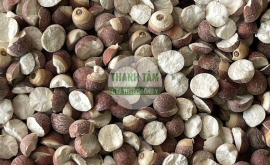
Hygrophila Seeds | Traditional Herbal Medicines
🌿 Hygrophila Seeds (Ngu Hoa Seeds) – A Traditional External Herbal Material for Soothing the Skin
Hygrophila seeds, commonly called Ngu Hoa seeds in Vietnam, are seeds associated with Hygrophila salicifolia and used mainly in Vietnamese folk skin care. When soaked in water, the seed surface produces mucilage, causing the seeds to stick together into a soft layer that can be applied externally to the skin.
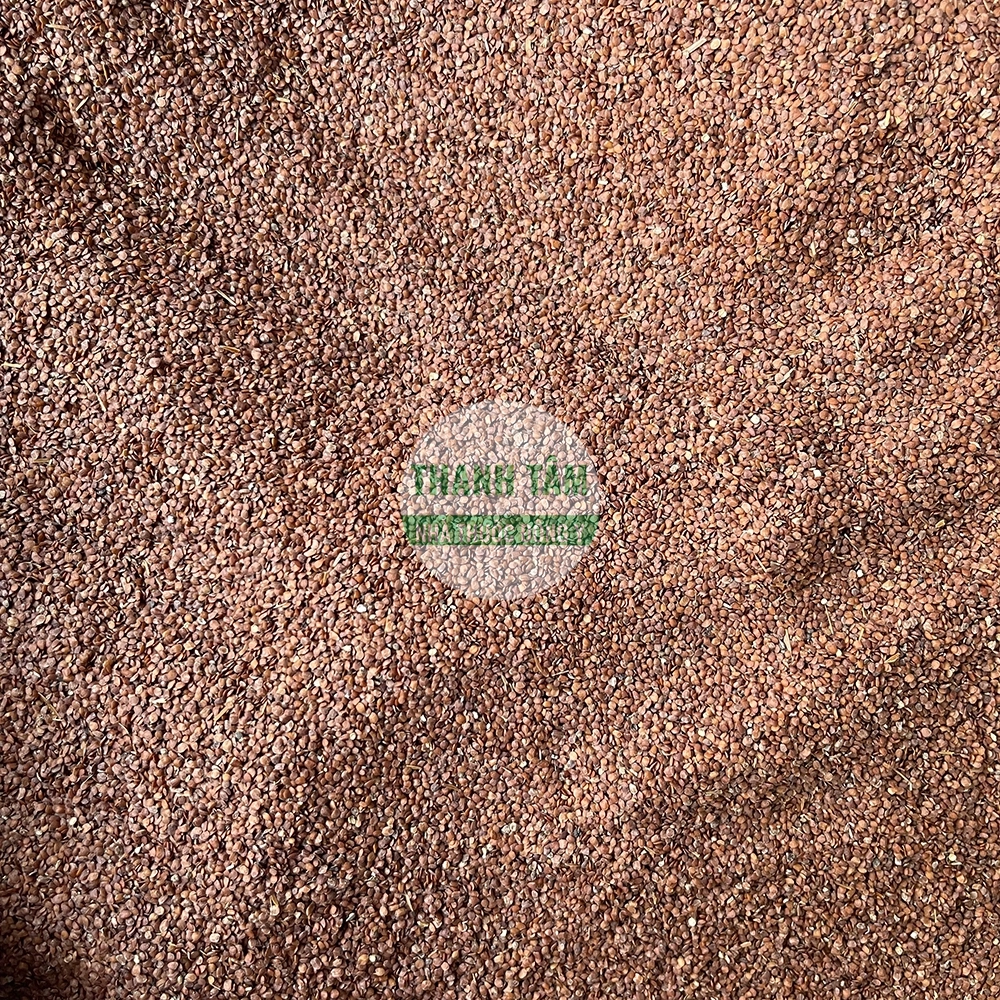
Small brown Ngu Hoa seeds absorb water and form a cohesive layer when soaked
- Scientific name / Pinyin / Chinese: Hygrophila salicifolia (Vahl) Nees / Shui Suo Yi / 水蓑衣
- Flavors, Nature – Meridian: Sweet and slightly Bitter; Cool Nature – some Vietnamese herbal references associate the herb with the Lung and Bladder Meridians
- Main benefits: Traditionally used externally to soothe mildly swollen skin, support oily or blemish-prone skin care, and comfort minor bruising when the skin is intact
- Reference dosage: About 2–3 teaspoons per application, soaked in warm water and applied for 15–20 minutes; self-administered oral use is not recommended
1. Origin and description
Hygrophila seeds are obtained from Hygrophila salicifolia (Vahl) Nees, a plant in the Acanthaceae family. It is an herbaceous species that commonly grows in moist places. The stems are nearly square, with pale purple flowers and small brown seeds.
When soaked, the seed surface quickly becomes slippery and sticky because of its mucilage. After the fruits mature, they are dried and threshed to collect the seeds. Good-quality material should be dry, naturally brown, clean, and free from mold.
2. Related names of Hygrophila seeds
Other names: Hạt ngũ hoa, Ngũ hạt, Hạt thốp nốp, Mịch lịch, Tình lịch, and Thiên tiên tử.
Scientific name: Hygrophila salicifolia (Vahl) Nees.
Pinyin name: Shui Suo Yi.
Chinese name: 水蓑衣.
The Vietnamese name “Đình lịch” can be confused with Ting Li Zi / 葶苈子 in standard TCM. Ting Li Zi usually refers to seeds from plants in the Brassicaceae family and has different traditional uses. The material discussed here should not be substituted for Ting Li Zi.
3. Flavors, Nature – Meridian
Some Vietnamese herbal references describe this medicinal material as Sweet, slightly Bitter, and Cool, with traditional actions such as clearing Heat, reducing swelling, resolving stagnation, and easing discomfort.
In practice, however, Hygrophila seeds in Vietnam are best known for external use. Their mucilage forms a moist, soft layer over the skin and may provide a temporary soothing sensation. “Clearing Heat” is a traditional concept, not proof of detoxification or treatment of inflammatory skin disease.
4. Benefits of Hygrophila seeds in traditional herbal use
- Soothing mildly swollen skin: Soaked seeds form a cool, soft layer traditionally applied to areas of minor discomfort.
- Supporting blemish-prone skin care: The moist mask may help skin feel calmer, but it does not remove acne plugs or replace acne treatment.
- Comforting minor bruised areas: Folk practice sometimes applies the soaked seeds over intact skin with mild bruising or tenderness.
- Traditional Heat-clearing use: This is a traditional medicine concept and does not mean the seeds “detox” the body in a modern medical sense.
- Supporting comfort: Traditional descriptions of reducing swelling or stagnation refer to supportive external use rather than treatment of an underlying disease.
Clinical evidence for treating skin disorders with these seeds remains limited.
5. How to use and dosage
The most common method is external use as a short-duration herbal mask.
- Preparing a mask: Place about 2–3 teaspoons of seeds in a clean container, add enough warm water at approximately 40–50°C, and wait several minutes until they absorb water and stick together.
- Application time: Apply a thin layer to clean, intact skin for about 15–20 minutes, then remove gently and rinse.
- Frequency: One or two applications per week may be reasonable if the skin tolerates the preparation well.
- Storage: Keep dry seeds sealed in a cool, dry place away from moisture and mold.
Do not apply to open wounds, infected skin, or severely inflamed areas. Self-administered oral use is not recommended because safety data are limited and some references warn of possible digestive irritation.
6. Indications and contraindications
Traditional indications
For external folk use, the seeds are referenced for mildly swollen skin, oily or blemish-prone skin, and minor bruising when the skin is intact. Large painful acne lesions, abscesses, spreading redness, or persistent swelling require medical assessment.
Contraindications and precautions
Do not use if you have previously reacted to the seeds or related herbal products. Avoid the eyes, lips, mucous membranes, broken skin, and severely irritated areas.
Stop use if redness, itching, burning, pain, or swelling worsens. People being treated for acne, eczema, dermatitis, or another skin condition should ask a dermatologist or healthcare professional before adding an herbal mask.
7. Reference ways to combine Hạt đình lịch
- For oily or easily congested skin: Soak with clean warm water and use alone. Avoid lemon juice, alcohol, or other irritating ingredients.
- For mildly swollen areas: Apply briefly only when the skin is intact and there are no signs of infection.
- After cleansing: Apply for a short period, rinse thoroughly, then use a gentle moisturizer if needed.
- While using acne treatment: People using retinoids, benzoyl peroxide, salicylic acid, or exfoliating acids should ask a healthcare professional before adding herbal masks if the skin is already irritated.
Do not combine the seeds at home with realgar or other potentially toxic mineral ingredients even if historical formulas mention them.
8. Frequently asked questions
Are Ngu Hoa seeds the same as Hạt đình lịch?
In Vietnam, these names are often used for the same type of small mucilage-forming seeds associated with Hygrophila salicifolia. Reliable botanical identification is still important.
Why do the seeds stick together after soaking?
The surface absorbs water and releases mucilage. This natural gel-like substance causes the seeds to adhere and form a flexible layer.
Can the mask pull out all acne plugs?
No. The sticky texture does not mean it can safely extract comedones or cure acne.
Can the mask be left on overnight?
No. A short application of about 15–20 minutes is more appropriate. Prolonged contact may increase irritation or contamination risk.
Can Hygrophila seeds be boiled and taken orally?
Self-administered oral use is not recommended for the material described here because reliable safety and dosing information are limited.
How can good-quality seeds be recognized?
Choose relatively uniform, naturally brown seeds that are dry, clean, low in dust, free from mold or unusual odors, and supplied by a traceable source.
👉 Visit Thanh Tam Herbs – a trusted Herbal pharmacy offering carefully sourced traditional herbs and professional guidance.
Nguồn tham khảo
- Dược điển Việt Nam.
- Lương y Hy Lãn Hoàng Văn Vinh, Cây thuốc vị thuốc Đông y, Nhà xuất bản Hà Nội, 2001.
- Tài liệu, hướng dẫn và thông tin chuyên ngành từ Bộ Y tế.
Rate this article
How useful was this article?
Tác giả bài viết