Astragalus Root | Traditional Herbal Medicines
🌿 Astragalus Root – A Qi-Tonifying Herb for Immunity, Recovery and Vitality in TCM
Astragalus Root, known as Huang Qi in TCM, is a famous qi-tonifying herb traditionally used to strengthen the body, secure the exterior, support urination and promote overall vitality. It is one of the most valued tonic herbs in daily herbal practice and is often called “the common people’s ginseng” because it supports energy and resilience in a gentle, practical way.
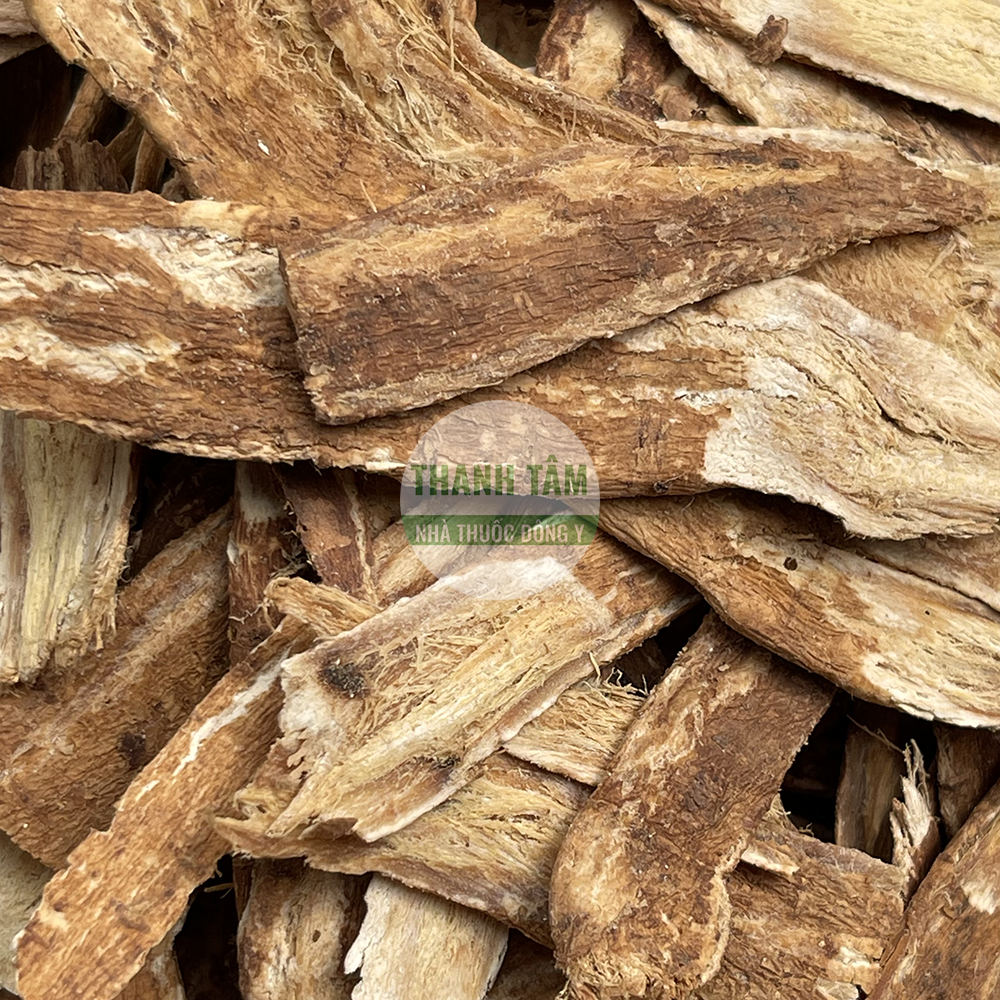
Astragalus Root – a qi-tonifying herb in TCM
- Scientific name / Pinyin / Chinese: Astragalus membranaceus / Huang Qi / 黄芪
- Natures, flavors and meridian entry: Sweet and slightly Warm – enters the Spleen and Lung meridians
- Main uses: Tonifies qi, supports natural immunity, secures the exterior, promotes urination, reduces swelling and supports wound healing
- Suggested dosage: 9–30 g per day, usually decocted or cooked in soup
1. Origin and description
Astragalus Root is the dried root of the Huang Qi plant in the Fabaceae family. It grows wild and is also cultivated in northern mountain regions of China, Korea and some areas of Vietnam. The plant is about 50–100 cm tall, with slender stems, compound leaves, pale yellow flowers and small pods containing many seeds.
After harvest, the root is washed, sliced thinly, then dried or gently processed for medicinal use. Good quality Huang Qi is light yellow, dry, firm, mildly aromatic and naturally Sweet with a slightly nutty taste. Sliced roots should be clean, evenly cut, free from mold and stored in a dry place.
2. Related names of Astragalus Root
Astragalus Root is also known as Miên kỳ, Sinh kỳ, Bắc kỳ, Hoàng kỳ ngố, fresh Huang Qi, dried Huang Qi, roasted Huang Qi, honey-fried Huang Qi or Đại hữu kỳ. These names may reflect the processing method, regional source or appearance of the herb.
Scientific names: Astragalus membranaceus / Astragalus mongholicus. Pinyin name: Huang Qi. Chinese name: 黄芪 / 黃芪.
In Vietnamese herbal language, Bắc kỳ is a common name for this root. However, names can vary between markets, so clear origin and proper identification are important. Thanh Tam Herbs selects clean, well-dried herbs suitable for herbal formulas and tonic soups.
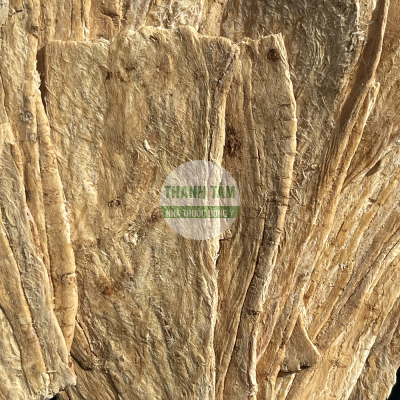
Sliced Huang Qi | Thanh Tam Herbs
3. Natures, flavors and meridian entry
According to TCM, Astragalus Root has a Sweet flavor and a slightly Warm nature. The Sweet flavor helps tonify qi and nourish the body, while the slightly Warm nature supports yang qi and helps strengthen overall vitality without being overly Hot when used properly.
Huang Qi enters the Spleen and Lung meridians. The Spleen is related to digestion, transformation of nutrients and formation of qi and blood. The Lung is related to breathing, surface defense and protective qi. For this reason, the herb is often used for fatigue, poor appetite, weak digestion, spontaneous sweating and low resistance.
4. Benefits and traditional actions of Astragalus Root in TCM
Astragalus Root is one of the leading herbs for tonifying qi. Common traditional actions include:
- Tonifies qi and strengthens resistance: Supports people who feel tired, weak, easily exhausted or slow to recover.
- Secures the exterior: Often used for people who catch colds easily or sweat without exertion due to qi deficiency.
- Promotes urination and reduces swelling: Used in selected formulas for edema or low urination related to weak Spleen qi.
- Supports tissue repair: Raw Huang Qi is traditionally used to support slow-healing wounds and recovery when the pattern is suitable.
- Supports metabolic balance: Modern herbal discussions often mention its role in supporting healthy blood pressure, blood sugar and lipid metabolism, but it should not replace medical treatment.
This herb is a tonic, not a quick stimulant. It works best when the body pattern matches qi deficiency.
5. How to use Huang Qi and suggested dosage
Astragalus Root can be used in several common ways:
- Decoction: Use 9–30 g per day, often combined with Atractylodes, Codonopsis Root or Licorice Root.
- Cooking: Add to chicken soup, pork soup or porridge to support qi, strength and recovery after illness.
- Herbal wine: Sometimes combined with Dong Quai or ginseng in strengthening formulas, but alcohol preparations are not suitable for everyone.
New users should start with a moderate dose and observe the body response. Long-term use may be suitable in qi deficiency, but it should be avoided when there are strong heat signs or acute illness.
6. Indications and contraindications
Indications
In TCM, Astragalus Root is commonly used for qi deficiency, fatigue, poor appetite, weak digestion, pale complexion, spontaneous sweating, low resistance, edema from weak qi, slow wound healing and recovery after illness. It is often suitable for hardworking people, older adults and postpartum weakness when guided properly.
Contraindications
People with acute colds, high fever, active infection, strong internal heat, severe constipation or obvious inflammation should avoid self-use. Pregnant women, young children and people with chronic disease should consult a Herb doctor before using Huang Qi, especially if they are taking medication or have complex health conditions.
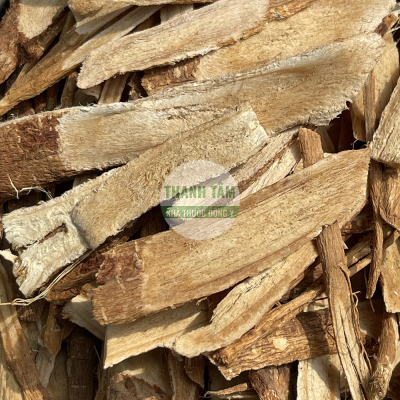
Fresh Huang Qi | Thanh Tam Herbs
7. Reference herbal combinations with Hoàng kỳ
- Nourishing chicken soup: Chinese Yam, Codonopsis Root, Bei Qi, Lotus Seed, Solomon’s Seal, Prepared Rehmannia, Dong Quai head, Chuan Xiong, Angelica Dahurica Root, Eucommia Bark, Goji Berry and Red Jujube.
- Sam Bo Luong-style tonic soup: Chinese Yam, Codonopsis Root, Lily Bulb, Solomon’s Seal, Euryale Seed, Longan Aril, Goji Berry, Lotus Seed, Huang Qi and Red Jujube.
- Qi-supporting exterior formula: Huang Qi may be combined with Rehmannia, Phellodendron, Scutellaria, Coptis, Dong Quai and Sour Jujube Seed in selected traditional formulas.
- Major qi and blood tonic formula: Huang Qi + Ginseng + Dong Quai + Prepared Rehmannia + Licorice Root, used for deep weakness under guidance.
- Exterior deficiency with wind sensitivity: Huang Qi + Cinnamon Twig + White Peony Root + Siler Root + honey-fried Licorice Root.
These combinations are for reference only and should not replace a prescription from a Herb doctor.
8. Frequently asked questions
- Can Astragalus Root be used every day?
It may be used in low doses, such as 9–15 g per day, when the body fits a qi deficiency pattern and there are no heat signs. - Is it similar to ginseng?
Yes, both tonify qi, but Huang Qi is milder and is often used for long-term strengthening and exterior support. - Can people with high blood pressure use it?
Some formulas use Bei Qi to support vascular strength and balance, but people with hypertension should consult a healthcare professional first.
👉 Thanh Tam Herbs – A trusted Herbal pharmacy for quality TCM herbs in Cho Lon
Nguồn tham khảo
- Dược điển Việt Nam.
- Lương y Hy Lãn Hoàng Văn Vinh, Cây thuốc vị thuốc Đông y, Nhà xuất bản Hà Nội, 2001.
- Tài liệu, hướng dẫn và thông tin chuyên ngành từ Bộ Y tế.
Rate this article
How useful was this article?
Tác giả bài viết