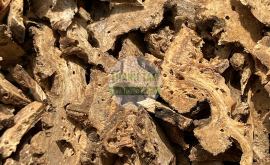
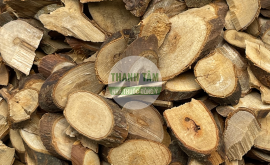
Chinese Yam | Traditional Herbal Medicines
🍠 What Is Chinese Yam? Benefits, Uses and Valuable TCM Formulas with Huai Shan
Chinese Yam (淮山 – Huai Shan), also known as Shan Yao in TCM, is a well-known nourishing herb traditionally used to strengthen the Spleen and Stomach, support healthy digestion, help with chronic loose stools, support blood sugar balance and restore the body in cases of weakness. This article explains its traditional benefits, common uses and important notes for safe and proper use.
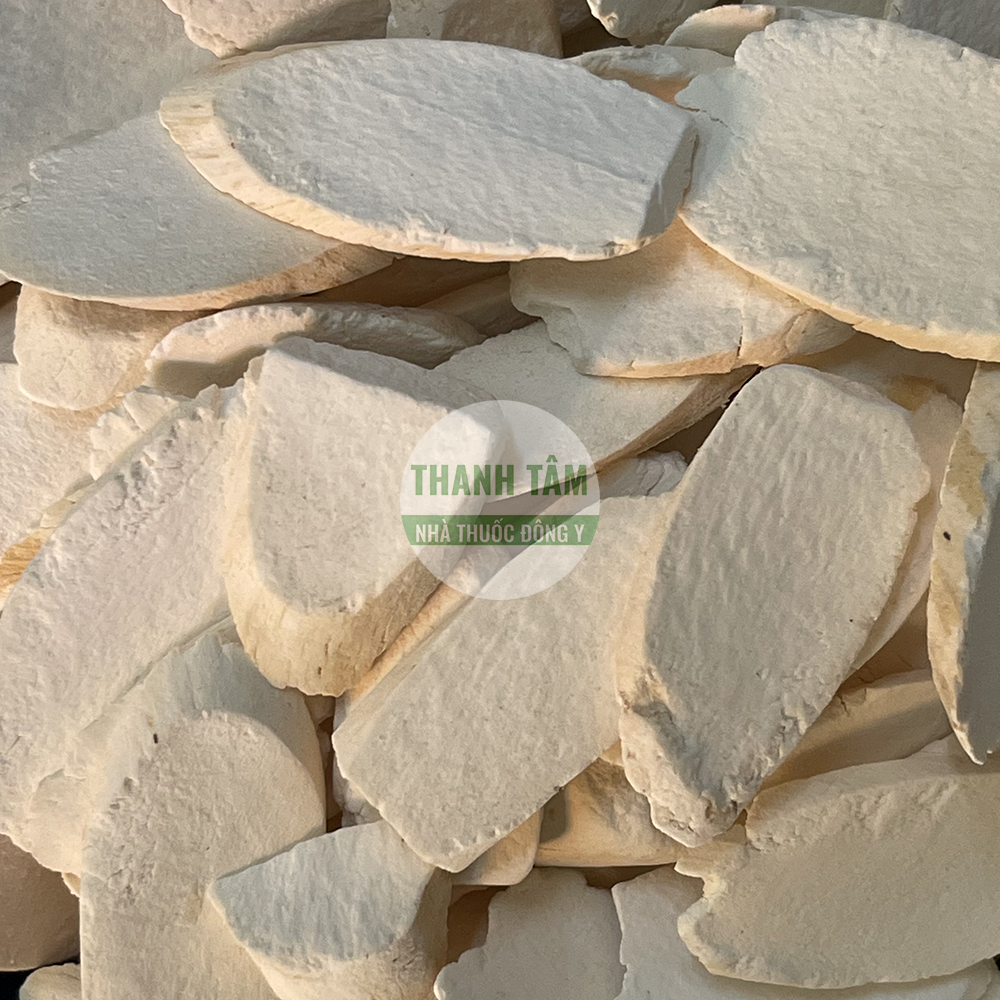
Premium Chinese Yam | Thanh Tam Herbs
- Scientific name / Pinyin / Chinese: Tuber Dioscoreae persimilis / Huai Shan, Shan Yao / 淮山, 山药
- Nature, taste and meridians: Sweet, neutral – commonly associated with the Spleen, Stomach, Lung and Kidney meridians
- Main uses: Strengthens the Spleen and Stomach, supports qi, helps manage loose stools, supports blood sugar balance
- Suggested dosage: 12–20 g per day, decocted or cooked into porridge
1. Origin and description
Chinese Yam was historically known as “Shu Yu.” During the Tang dynasty, its name was changed to avoid using the personal name of an emperor. Later, because of another naming taboo during the Song dynasty, it became known as “Shan Yao,” meaning mountain medicine.
Chinese Yam is the dried tuber of a Dioscorea plant, belonging to the Dioscoreaceae family. In Vietnam, it is cultivated in several northern provinces such as Nam Dinh, Ninh Binh and Hoa Binh. It is also grown in China, where some traditional growing regions are highly valued for quality.
The fresh tuber is long and cylindrical, ivory white, mildly sweet and rich in fine starch. Once dried, it becomes firm and slightly crisp, with a gentle natural aroma. In TCM, this herb is widely used under the name Shan Yao in many formulas that tonify the Spleen, strengthen the Stomach, support digestion and restore vitality.
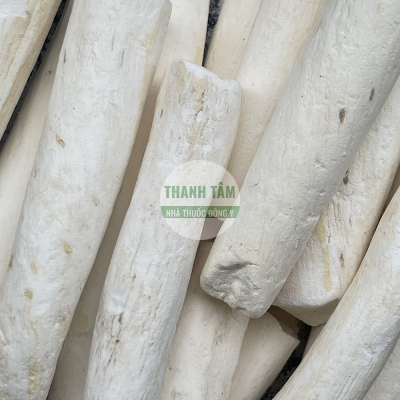
Northern Chinese Yam | Thanh Tam Herbs
2. Related names of Chinese Yam
Chinese Yam is also known in Vietnamese as Củ mài, Khoai mài, Sơn dược, Hoài sơn dược or Sao sơn dược. Its common TCM names are Huai Shan and Shan Yao, and its Chinese names are 淮山 and 山药/山藥.
In TCM, Chinese Yam is considered a valuable herb in the category of tonifying qi and strengthening the Spleen. It is often used in formulas for weak digestion, long-term loose stools, fatigue, thirst patterns, weakness due to Spleen deficiency and Kidney deficiency patterns.
3. Nature, taste and meridian entry
According to TCM, Chinese Yam has a sweet taste and neutral nature, and is commonly associated with the Spleen, Stomach, Lung and Kidney meridians.
Its sweet taste helps nourish and tonify the body, while its neutral nature allows it to support balance without being overly warming or cooling. For this reason, Chinese Yam can often be used for longer periods when appropriate, especially for people with fatigue, poor appetite or weak digestion.
4. Benefits and traditional actions
- Strengthens the Spleen and Stomach: Shan Yao supports digestive function, helps improve nutrient absorption and is traditionally used for poor appetite, bloating and weak digestion.
- Helps with chronic loose stools: Chinese Yam has a gentle stabilizing quality and is often used for long-term loose stools related to Spleen deficiency.
- Supports blood sugar balance: Modern herbal discussions often mention the mucilage-like texture and natural compounds in Chinese Yam as part of its traditional use for thirst and weakness patterns. It should not replace diabetes medication.
- Tonifies the Kidney and supports essence: Shan Yao is traditionally used to support vitality, essence and weakness patterns involving the Kidney.
- Commonly used in TCM formulas: It is often combined with Lotus seed, Hyacinth bean, Atractylodes and other tonifying herbs to strengthen the Spleen, nourish qi and support the Kidney.
5. How to use Chinese Yam and suggested dosage
- Decoction: Use 12–20 g of dried Chinese Yam, often combined with other Spleen-tonifying herbs such as Atractylodes and Licorice root, then decoct and drink during the day.
- Porridge: Chinese Yam powder can be cooked into morning porridge to support digestion and reduce fatigue.
- Pill or powder form: Finely ground Chinese Yam may be prepared into pills or powder for people with chronic weakness or long-term Spleen deficiency under proper guidance.
When using this herb, choose good-quality dried Chinese Yam: white or ivory in color, free from mold, dry in texture and lightly aromatic. Regular use in suitable cases may support digestive health and overall strength.
6. Indications and contraindications
Indications
- Supports the Spleen and Stomach, poor appetite, weak digestion and chronic loose stools.
- Helps nourish qi and blood, supports the Kidney and assists weakness patterns.
- Traditionally used for thirst patterns, long-term fatigue, weight loss and weakness.
- Supports the middle burner, improves qi and physical strength, and nourishes the body.
- Classical references also mention its use for wind-related head and face discomfort, lower back weakness and general support for the five organs.
Contraindications
- People with long-term constipation should avoid using too much.
- For bloating or slow digestion, reduce the dose or combine with warming digestive herbs such as ginger under guidance.
- Pregnant women and young children should consult a qualified Herb doctor before use.

Chinese Yam with skin | Thanh Tam Herbs
7. Reference herbal combinations with Hoài sơn
- Nourishing chicken soup: Chinese Yam, Codonopsis root, Astragalus root, Lotus seed, Solomon’s seal, Rehmannia, Angelica root head, Chuan Xiong, Angelica Dahurica Root, Eucommia bark, Goji berry and Jujube may be used in nourishing soup formulas for weakness, poor appetite or recovery, under proper guidance.
- Sam Bo Luong-style tonic formula: Chinese Yam, Codonopsis root, Lily bulb, Solomon’s seal, Euryale seed, Longan aril, Goji berry, Lotus seed, Astragalus root and Red jujube are traditionally combined to support weakness, sleep quality and mental clarity.
- Digestive tonic formula: Chinese Yam 10 g, Atractylodes 8 g, Poria 6 g and Dried tangerine peel 5 g, decocted with water and divided into two servings, may support Spleen function, loose stools and nutrient absorption.
- Chinese Yam and Coix seed porridge: Chinese Yam 30 g and Coix seed 20 g cooked into porridge may help nourish the Spleen and support mild blood sugar management as part of a healthy lifestyle.
- Spleen deficiency formula: Chinese Yam may be combined with Hyacinth bean, White peony root, Honey-fried licorice, Lotus seed, Ginseng, Poria and Dried tangerine peel; other herbs may be added depending on diarrhea, nausea or digestive weakness.
These formulas should be used under the guidance of a qualified Herb doctor to ensure safety and suitability. Do not change dosages or combine herbs without understanding the pattern.
8. Frequently asked questions
- Can Chinese Yam be used long-term?
Yes, Chinese Yam has a neutral nature and sweet taste, and may be used long-term in moderate amounts when suitable for the body constitution. - Does Chinese Yam help with weight loss?
It does not directly cause weight loss. However, by supporting digestion and metabolism, Chinese Yam may help the body maintain a healthier balance. - Can children use Chinese Yam?
It may be used in selected Spleen-tonifying formulas for children, but dosage and suitability should be confirmed by a Herb doctor.
👉 Thanh Tam Herbs – A trusted source of quality TCM herbs in Cho Lon
Nguồn tham khảo
- Dược điển Việt Nam.
- Lương y Hy Lãn Hoàng Văn Vinh, Cây thuốc vị thuốc Đông y, Nhà xuất bản Hà Nội, 2001.
- Tài liệu, hướng dẫn và thông tin chuyên ngành từ Bộ Y tế.
Rate this article
How useful was this article?
Tác giả bài viết