Angelica Dahurica Root | Traditional Herbal Medicines
🌿 What Is Angelica Dahurica Root? Benefits, Uses and Safety Notes of Bai Zhi in TCM
Angelica Dahurica Root (白芷 – Bai Zhi) is a familiar TCM herb traditionally used to release cold-type exterior patterns, open the nasal passages, ease frontal headache and support topical skin care. This article explains its traditional uses, common preparation methods and key safety notes for responsible use.

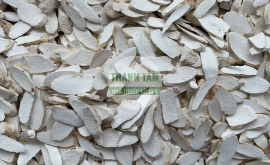
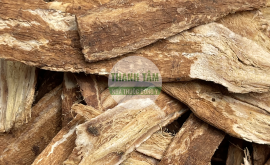
Angelica Dahurica Root – Bai Zhi TCM herb
- Scientific name / Pinyin / Chinese: Radix Angelicae dahuricae / Bai Zhi / 白芷
- Nature, taste and meridians: Spicy, warm – commonly associated with the Lung, Stomach and Large Intestine meridians
- Main uses: Releases wind-cold, opens the nose, eases pain, supports sinus discomfort and topical acne-prone skin care
- Suggested dosage: 3–9 g per day as decoction; external powder mask 2–3 times per week when suitable
1. Origin and description
In the Chinese name Bai Zhi, “Bai” means white, while “Zhi” refers to a fragrant root-like medicinal material. The herb is named for its pale color, aromatic scent and root shape.
Angelica Dahurica Root is the dried root of Angelica dahurica, a plant in the Apiaceae family. It prefers cool climates and is commonly found in mountainous regions of China and Vietnam. The root is ivory white, lightly aromatic, slightly spicy and mildly sweet. It is usually harvested in autumn, cleaned, dried under the sun or gently dried, then prepared for herbal use.
2. Related names of Angelica Dahurica Root
This is a well-known herb in TCM formulas for common cold patterns and frontal headache.
- Other Vietnamese names: Hương bạch chỉ, Bạch chỉ phiến, Bạch hồ, Chỉ hương, Linh chỉ, Phù ly
- Scientific name: Radix Angelicae dahuricae
- Pinyin name: Bai Zhi
- Chinese name: 白芷
In TCM, Bai Zhi is traditionally used to release wind-cold, open the nasal passages and relieve pain, especially when discomfort is related to cold exposure, nasal blockage or frontal headache.
3. Nature, taste and meridian entry
Bai Zhi has a spicy taste and warm nature, and is commonly associated with the Lung, Stomach and Large Intestine meridians. Its spicy quality helps move qi, disperse wind and open blocked passages. Its warm nature helps warm the exterior and promote circulation through the channels. This makes it suitable in TCM patterns involving cold-type headache, nasal congestion and discomfort caused by wind-cold.
4. Benefits and traditional actions
- Releases wind-cold: Traditionally used for cold-type patterns with headache, nasal blockage and aversion to cold. It is often combined with Vietnamese balm, Saposhnikovia root or Asarum in suitable formulas.
- Supports sinus and nasal comfort: Bai Zhi helps open the nose and is often used for frontal pressure, blocked nose and sinus-related discomfort in TCM formulas.
- Eases pain: Traditionally used for frontal headache, tooth discomfort and pain related to wind-cold patterns.
- Topical skin care support: When used externally, Bai Zhi powder is traditionally applied in masks to help calm swelling, support acne-prone skin and improve a dull-looking complexion.
- Anti-inflammatory and aromatic properties: Bai Zhi contains naturally occurring compounds such as coumarins, which are associated with aromatic, soothing and protective properties in herbal practice.
5. How to use Angelica Dahurica Root and suggested dosage
- Decoction: Use 3–9 g per day, usually divided into two servings. It may be combined with Vietnamese balm, Saposhnikovia root and fresh ginger for wind-cold patterns under proper guidance.
- External use: Grind into a fine powder, mix with honey or another suitable base, and apply to the face for 10–15 minutes to support acne-prone or dull-looking skin.
Small tip: For nasal stuffiness, some people use steam from a warm decoction containing Bai Zhi, Vietnamese balm and mint leaves to support nasal comfort. Avoid steam that is too hot, and stop if irritation occurs.
6. Indications and contraindications
Indications
In TCM, Bai Zhi is traditionally used for wind-cold patterns, frontal headache, nasal congestion, sinus discomfort, tooth discomfort related to wind, tearing from wind exposure, skin swelling, acne-prone skin, and selected topical beauty formulas. Classical texts also mention its use for certain gynecological and swelling patterns, but these should only be handled by a qualified Herb doctor.
Contraindications and safety notes
- Do not use when there are strong heat signs, such as high fever, dry mouth, strong thirst or pronounced internal heat.
- Pregnant women should consult a qualified Herb doctor or physician before using Bai Zhi, especially by mouth.
- Avoid high doses or long-term use without guidance, as it may cause dryness or internal heat in unsuitable constitutions.
- For facial application, test on a small skin area first to check for irritation.
7. Reference herbal combinations with Bạch chỉ
- Wind-cold common cold: Bai Zhi may be combined with Licorice root, fresh ginger, scallion white, jujube and fermented soybean in traditional formulas to promote sweating and release the exterior.
- Tooth discomfort related to wind-heat: Bai Zhi may be combined with Evodia fruit for topical or mouth-rinse style use in selected traditional references.
- Frontal headache and nasal blockage: Bai Zhi is often combined with Vietnamese balm, Saposhnikovia root, Notopterygium root or mint depending on the pattern.
- Skin swelling and acne-prone skin: Bai Zhi may be combined with Honeysuckle flower, Dandelion or other heat-clearing herbs when the pattern is suitable.
- Brightening facial mask: Mix 1 spoon of Bai Zhi powder with 1 spoon of honey, apply for 10–15 minutes, then rinse with warm water.
8. Frequently asked questions
- Can Angelica Dahurica Root help with sinus discomfort?
Yes. In TCM, Bai Zhi is often used to open the nasal passages, ease frontal headache and support mild sinus-related discomfort. Severe or chronic sinus problems should be assessed by a medical professional. - Is Bai Zhi safe for skin care?
It may be used externally when suitable. Bai Zhi powder is traditionally used to support a brighter-looking complexion and mild acne-prone skin, but it should not be overused or applied to severely inflamed skin. - Can pregnant women use Bai Zhi?
Pregnant women should not use Bai Zhi by mouth without professional guidance. Consult a Herb doctor or physician before use.
👉 Thanh Tam Herbs – A trusted Herbal pharmacy in Cho Lon
Nguồn tham khảo
- Dược điển Việt Nam.
- Lương y Hy Lãn Hoàng Văn Vinh, Cây thuốc vị thuốc Đông y, Nhà xuất bản Hà Nội, 2001.
- Tài liệu, hướng dẫn và thông tin chuyên ngành từ Bộ Y tế.
Rate this article
How useful was this article?
Tác giả bài viết