Fox nut | Traditional Herbal Medicines
🌿 Fox nut – Uses, dosage, and TCM combinations for supporting the Kidney and Spleen
Fox nut, known as Qian Shi, is the dried mature seed of Euryale ferox. It is both an edible ingredient and a familiar TCM herb traditionally used to strengthen the Spleen, support the Kidney, secure essence, reduce chronic loose stools, and help control excessive urination or vaginal discharge associated with deficiency patterns.
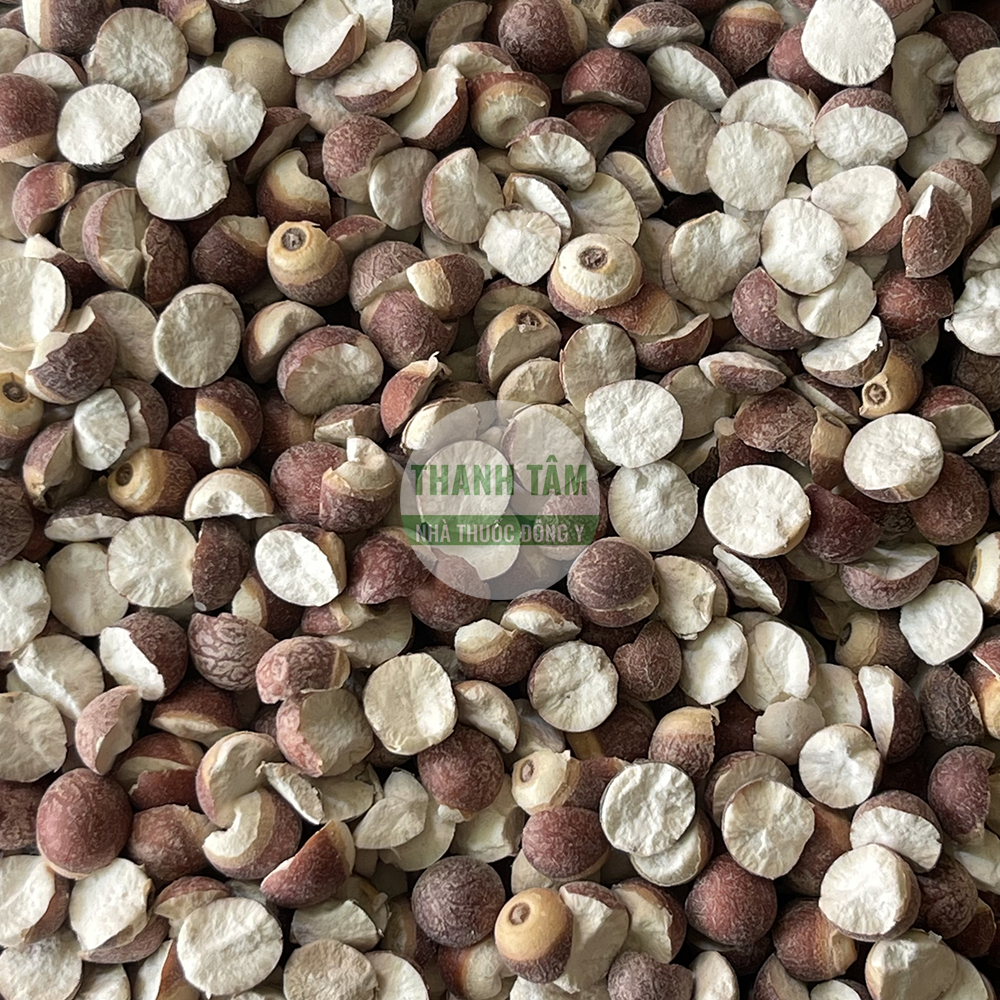
Fox nut – a TCM food-herb for supporting the Kidney and Spleen
- Scientific name / Pinyin / Chinese: Euryale ferox / Qian Shi / 芡實
- Flavors, Nature – Meridian: Sweet, Astringent, Neutral – Spleen and Kidney Meridians
- Main benefits: Supports digestion, strengthens Spleen and Kidney function in TCM, helps reduce chronic loose stools, excessive urination, and loss of essence.
- Reference dosage: Commonly 10–30 g of dried seed per day in decoctions or cooked dishes; use smaller food portions when digestion is weak.
1. Origin and description
Fox nut is the dried mature seed of Euryale ferox Salisb., an aquatic plant in the water-lily family (Nymphaeaceae). It grows in ponds and lakes across East and South Asia.
The plant has large prickly floating leaves. Its flowers rise near the water, and each fruit contains many round seeds with hard coverings.
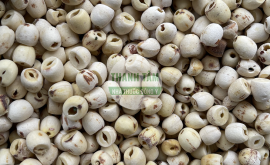
After harvesting, the seeds are cleaned, shelled, and dried. Medicinal Qian Shi is ivory-white to pale beige, firm, starchy, and mildly Sweet. Good material should be dry, mold-free, and odorless.
Medicinal seeds differ from puffed makhana snacks, which are processed for eating.
2. Related names of Fox nut
Other names: Gorgon nut, gorgon seed, prickly water-lily seed, makhana, Qian Shi, Kê đầu thực, Thủy kê đầu, Hạt gai nước, and Bạch khiếm thực.
Scientific name: Euryale ferox Salisb.
Pinyin name: Qian Shi.
Chinese name: 芡实 or 芡實.
Makhana often means popped snack seeds, while Qian Shi usually means the dried medicinal kernel. Check the product form and added salt, sugar, or oil before use.
3. Flavors, Nature – Meridian
In TCM, Qian Shi has a Sweet and Astringent Flavor, a Neutral Nature, and enters the Spleen and Kidney Meridians.
The Sweet Flavor nourishes deficiency, while the Astringent quality helps reduce excessive loss such as chronic diarrhea, frequent urination, seminal emission, or persistent discharge.
Its Spleen association relates to digestion and dampness, while its Kidney association relates to essence and urination. These are TCM concepts, not claims about structural kidney disease.
4. Benefits of Fox nut in TCM
Its main actions are strengthening the Spleen, supporting the Kidney, securing essence, and reducing chronic diarrhea or damp-related discharge.
Supports digestion: It may be included when poor appetite, fatigue, and long-lasting loose stools match Spleen deficiency. Its starch makes it suitable for congee and soft food dishes.
Helps secure the Kidney: TCM formulas use it for frequent urination, nighttime urination, seminal emission, or weakness associated with deficient Kidney Qi. It is not a treatment for prostate disease, diabetes, urinary infection, or kidney failure.
Reduces excessive discharge: Its Astringent quality is traditionally used for persistent clear or whitish vaginal discharge associated with Spleen-Kidney deficiency and dampness. Abnormal discharge with odor, pain, itching, or bleeding requires medical examination.
Provides food-based nutrition: The seed contains starch, protein, fiber, minerals, polysaccharides, polyphenols, and other plant compounds.
Modern studies have explored antioxidant, metabolic, digestive, and fatigue-related effects, but human evidence and standardized dosing remain uncertain.
5. How to use and dosage
Fox nut can be prepared as a decoction, powder, congee, dessert, or soup. Soaking the hard dried seed may shorten cooking time.
Decoction: Use approximately 10–20 g of dried seed with other herbs selected by a Herb doctor.
Congee or dessert: Cook with Chinese yam, lotus seed, lily bulb, coix seed, or lotus seed until soft.
Powder: Finely milled seed may be stirred into warm water or congee. Use a modest portion and drink enough fluid.
Soup: Add soaked seeds to chicken, lean-meat, or vegetable soup for a mild, starchy texture.
A reference range is 10–30 g daily. Large servings may cause fullness or constipation.
6. Indications and contraindications
Indications
In TCM, Qian Shi may be considered for chronic loose stools caused by Spleen deficiency, frequent urination, nighttime urination, seminal emission, persistent clear discharge, fatigue, or weakness associated with Spleen-Kidney deficiency.
Contraindications
People with constipation, food stagnation, difficult urination, acute infection, or pronounced heat should avoid self-treatment. Its Astringent action may be unsuitable during active infection or urinary retention.
People with swallowing difficulties should avoid hard or undercooked seeds. Children, pregnant or breastfeeding people, and those with kidney or urinary disorders should seek advice.
Medical assessment is needed for blood in the urine, painful urination, fever, severe abdominal pain, unexplained weight loss, persistent diarrhea, or abnormal genital discharge.
7. Reference herbal combinations with Khiếm thực
- Nourishing soup: Khiếm thực may be combined with Chinese yam, codonopsis root, lily bulb, polygonatum, longan, goji berry, lotus seed, astragalus root, and red jujube.
- Spleen and Kidney deficiency: Khiếm thực with Chinese yam, poria, atractylodes rhizome, lotus seed, coix seed, hyacinth bean, and codonopsis root.
- Frequent urination or loss of essence: It may be combined with lotus seed, lotus stamen, dragon bone substitute, or other securing herbs only under professional supervision.
- Cloudy urine: Classical formulas may combine it with poria and other ingredients after the cause has been medically assessed.
Classical preparations containing minerals, animal-derived ingredients, or concentrated pills should not be reproduced at home. These combinations are references only.
8. Frequently asked questions
Can Fox nut be eaten every day?
A moderate cooked portion may suit many adults, but large servings may cause fullness or constipation.
Can it cause constipation?
Yes. Its starchy and Astringent qualities may worsen constipation, especially when used in large amounts or with insufficient fluid.
Does it improve male sexual performance?
TCM uses it to secure essence in suitable deficiency patterns, but it is not a proven treatment for erectile dysfunction, infertility, or low testosterone.
Can children use it?
Small, well-cooked portions may suit some children. Persistent diarrhea, poor growth, or urinary symptoms require clinical advice.
How can good-quality material be identified?
Choose clean, firm, pale kernels with no mold, insects, moisture, artificial fragrance, or rancid smell.
👉 Thanh Tam Herbs – A trusted Herbal pharmacy for carefully selected medicinal herbs
Nguồn tham khảo
- Dược điển Việt Nam.
- Lương y Hy Lãn Hoàng Văn Vinh, Cây thuốc vị thuốc Đông y, Nhà xuất bản Hà Nội, 2001.
- Tài liệu, hướng dẫn và thông tin chuyên ngành từ Bộ Y tế.
Rate this article
How useful was this article?
Tác giả bài viết