Cordyceps | Traditional Herbal Medicines
🌿 Cordyceps – A valued TCM tonic for supporting vitality, the Lung, and the Kidney
Cordyceps, known as Dong Chong Xia Cao, is a highly valued TCM material traditionally used to support vitality, recovery, respiratory function, and Kidney essence. Wild Chinese caterpillar fungus is rare and expensive, while cultivated mycelium and Cordyceps militaris products are now more widely available. Their species, composition, and evidence should not be assumed to be identical.
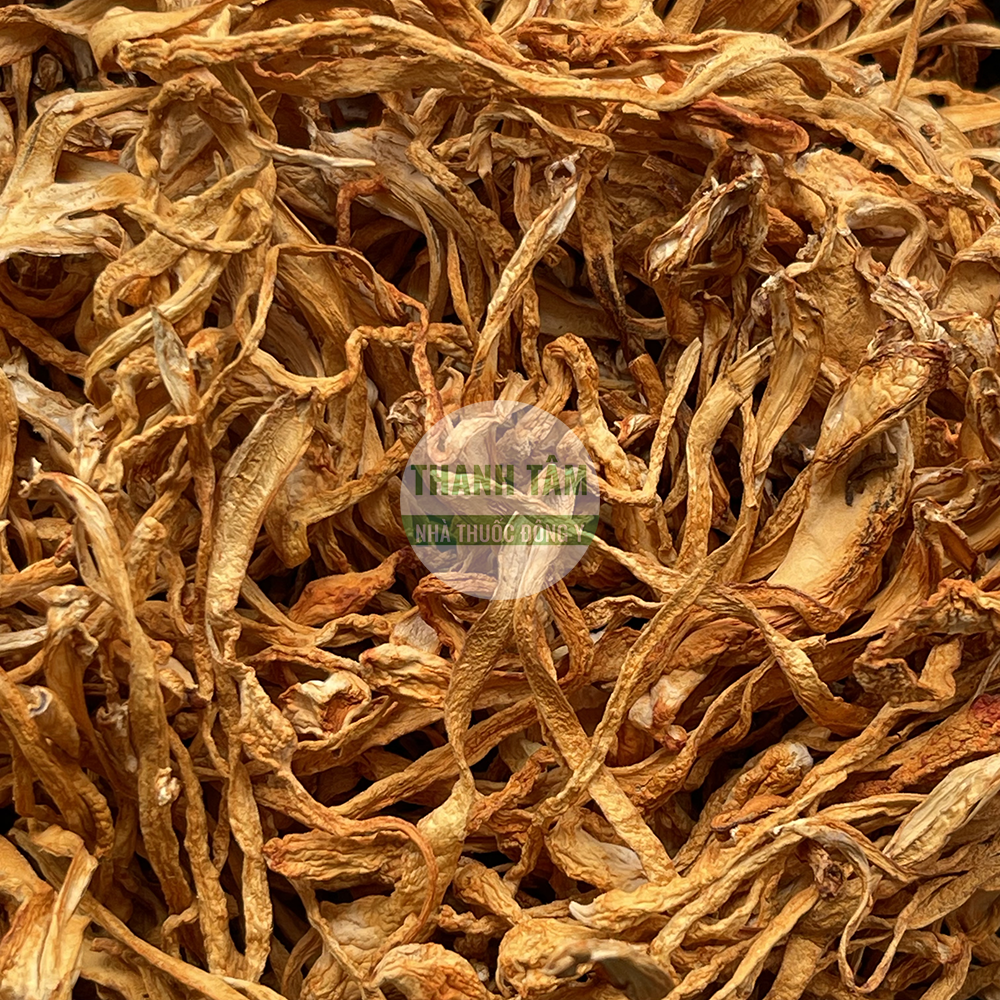
Cordyceps – a traditional TCM tonic for vitality and recovery
- Scientific name / Pinyin / Chinese: Ophiocordyceps sinensis, formerly Cordyceps sinensis / Dong Chong Xia Cao / 冬虫夏草
- Flavors, Nature – Meridian: Sweet, Warm – Lung and Kidney Meridians
- Main benefits: Traditionally supports vitality, recovery, Lung function, Kidney essence, and fatigue associated with deficiency patterns.
- Reference dosage: Commonly 1–3 g per day for dried natural material; cultured products should follow their labeled serving and professional guidance.
1. Origin and description
The natural material forms when Ophiocordyceps sinensis, a fungus in the family Ophiocordycipitaceae, infects a ghost-moth larva. A dark fruiting body later grows from the preserved larval body and emerges above the soil.
It occurs mainly in high-altitude grasslands of the Tibetan Plateau and nearby Himalayan regions. Limited habitat and difficult harvesting make authentic wild material rare and costly.
Dried specimens have a yellow-brown caterpillar-like body attached to a slender fruiting structure. Good material should be dry, intact, naturally aromatic, and free from mold, sulfur odor, glue, or artificial weighting.
Many modern products contain cultivated mycelium, fermentation material, or Cordyceps militaris fruiting bodies. Their identity should be stated clearly on the label.
2. Related names of Cordyceps
Other names: Chinese caterpillar fungus, caterpillar fungus, Dong Chong Xia Cao, winter worm summer grass, Đông trùng thảo, Trùng thảo, and Hoa đông trùng.
Scientific name: Cordyceps sinensis.
Pinyin name: Dong Chong Xia Cao.
Chinese name: 冬虫夏草.
The literal Chinese name means “winter insect, summer grass,” describing the traditional appearance rather than a true combination of an animal and a plant. Biologically, it is an insect-pathogenic fungus associated with a moth larva.
Cultured Cordyceps militaris, fermented mycelium, and wild O. sinensis are not the same raw material.
3. Flavors, Nature – Meridian
In TCM, Dong Chong Xia Cao has a Sweet Flavor and a Warm Nature. It enters the Lung and Kidney Meridians.
Its Lung association explains traditional use for chronic cough, weak respiration, shortness of breath, or fatigue after prolonged illness when deficiency is present. Its Kidney association relates to essence, lower-back weakness, reduced vitality, and recovery from exhaustion.
These descriptions are TCM pattern concepts. They do not mean the fungus repairs damaged lungs or kidneys, increases oxygen levels, or treats chronic respiratory or renal disease by itself.
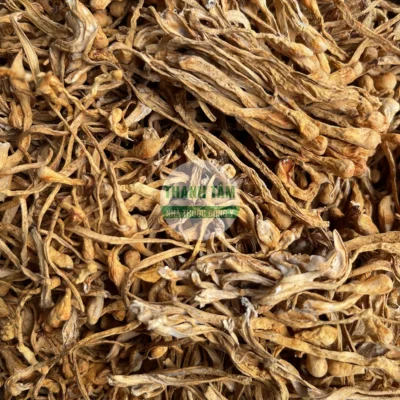
Whole caterpillar fungus | Thanh Tam Herbs
4. Benefits of Cordyceps in TCM
Traditional use focuses on tonifying the Lung and Kidney, supporting essence, easing deficiency-related cough, and helping recovery from weakness.
- Supports recovery: It may be included in individualized formulas for persistent fatigue, weakness, or reduced appetite after illness.
- Supports respiratory deficiency patterns: TCM may use it for chronic cough, breathlessness, or weak voice when Lung and Kidney deficiency is present.
- Supports vitality: It is traditionally selected for lower-back weakness, reduced stamina, or loss of essence associated with Kidney deficiency.
- Provides bioactive fungal compounds: Studied components include polysaccharides, nucleosides, sterols, peptides, and other metabolites.
Research has examined fatigue, exercise performance, immune signaling, kidney outcomes, and respiratory conditions. Results vary by species, strain, and product. Many studies are small or use cultured preparations as adjuncts. Evidence does not justify claims that the fungus reverses aging, improves sexual function, or cures lung or kidney disease.
5. How to use and dosage
The material may be prepared as a decoction, infusion, food ingredient, powder, capsule, or extract.
- Decoction: Simmer 1–3 g of identified dried natural material gently in water and divide the preparation according to professional guidance.
- Warm infusion: Small whole pieces may be steeped in hot water and re-infused before the softened material is eaten, provided the product is food-grade.
- Cooking: It may be added near the end of cooking to chicken, lean-meat, or vegetable soup.
- Capsules or cultured products: Follow the labeled serving because concentration and species vary widely.
Alcohol preparations are not necessary and are unsuitable for many people. Do not assume that a higher price or larger dose produces better results.
6. Indications and contraindications
Indications
In TCM, the material may be considered for prolonged weakness, fatigue after illness, chronic deficiency-type cough, reduced stamina, lower-back weakness, or recovery when the Lung and Kidney pattern is appropriate.
Contraindications
People with acute fever, infection, unexplained bleeding, or strong excess heat should avoid self-treatment. Anyone allergic to fungi should avoid it.
It may affect immune activity, clotting, or blood glucose. People taking immunosuppressants, anticoagulants, antiplatelet drugs, or diabetes medicines should consult a clinician, especially before surgery or after transplantation.
Pregnant or breastfeeding people and children should use it only with professional advice. Stop use if rash, breathing difficulty, digestive upset, unusual bleeding, or dizziness occurs.
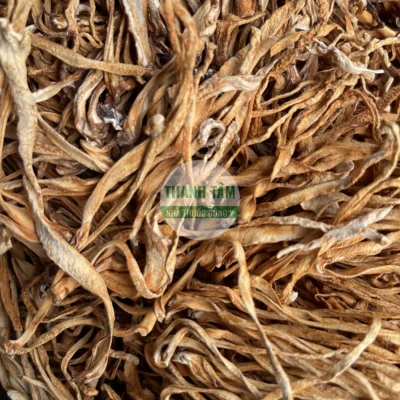
Cordyceps fruiting body | Thanh Tam Herbs
7. Reference herbal combinations with Đông trùng hạ thảo
- General nourishment: Đông trùng hạ thảo may be combined with ginseng and red jujube.
- Respiratory support: It may be paired with dwarf lilyturf root and lily bulb in an appropriate deficiency pattern.
- Kidney and vitality support: It may be combined with red goji berry and eucommia bark.
- Recovery food: A small amount may be added to black-chicken soup or another balanced meal.
These combinations are references, not fixed prescriptions. People undergoing cancer treatment, transplantation, dialysis, or immune-suppressing therapy should not add herbal products without approval from their medical team.
8. Frequently asked questions
- Is this material a plant or an animal?
Neither. It is an insect-pathogenic fungus that grows in association with a moth larva. - How long does it take to work?
There is no reliable fixed timeline. Response depends on the product, dose, health condition, and treatment goal. - Are cultivated products effective?
A quality-controlled cultured product may provide fungal compounds, but it is not chemically identical to wild material. Evidence is product-specific. - How can authentic material be identified?
Check the scientific species, production method, batch testing, contaminant results, and traceable supplier. Appearance alone cannot confirm authenticity. - Does it strengthen immunity?
Some preparations have been studied for immune effects, but they have not been proven to prevent infection or universally enhance immunity.
👉 Thanh Tam Herbs – A trusted Herbal pharmacy for carefully selected medicinal herbs
Nguồn tham khảo
- Dược điển Việt Nam.
- Lương y Hy Lãn Hoàng Văn Vinh, Cây thuốc vị thuốc Đông y, Nhà xuất bản Hà Nội, 2001.
- Tài liệu, hướng dẫn và thông tin chuyên ngành từ Bộ Y tế.
Rate this article
How useful was this article?
Tác giả bài viết