Piper Kadsura Vine | Traditional Herbal Medicines
🌿 Piper Kadsura Vine – A TCM Herb for Wind-Damp Pain, Meridians and Joint Mobility
Piper Kadsura Vine, known as Hai Feng Teng in TCM, is commonly used for wind-damp discomfort, joint soreness, stiff tendons, tight muscles and numbness in the hands or feet. In TCM, this herb helps open the meridians, dispel wind-cold-dampness and support movement when the body feels heavy, sore or stiff due to cold and damp conditions.

Piper Kadsura Vine – a TCM herb that dispels wind-dampness
- Scientific name / Pinyin / Chinese: Caulis Piperis Kadsurae / Hai Feng Teng / 海风藤
- Natures, flavors and meridian entry: Pungent, Bitter and slightly Warm – commonly enters the Liver and Kidney meridians
- Main uses: Dispels wind-dampness, opens the meridians, eases joint soreness, supports numbness, tendon stiffness, muscle tightness and difficult movement caused by wind-cold-dampness
- Suggested dosage: 6–15 g per day, usually decocted under guidance
1. Origin and description
Piper Kadsura Vine is the dried stem of a climbing plant in the Piperaceae family. The plant grows as a long vine, with softer branches when young and a woody stem when mature. It is often found in humid forests, mountain areas or warm climates.
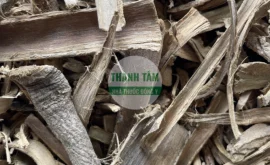
The dried herb is usually cut into short sections or thin slices. The outer surface ranges from yellowish brown to grayish brown, while the inner cut surface is pale yellow with visible fibrous lines. It has a light aromatic smell and a Pungent, Bitter taste.
When choosing this herb, look for evenly dried pieces, no mold, no musty odor and a clear source. Proper processing and storage are important for safe herbal use.
2. Related names of Piper Kadsura Vine
Piper Kadsura Vine is also known as Hai Feng, Dây hải phong or Hai Feng Teng in herbal practice.
Scientific name: Caulis Piperis Kadsurae. Pinyin name: Hai Feng Teng. Chinese name: 海风藤.
In traditional texts, the name “feng teng” often refers to vine herbs used for wind-damp pain. However, each herb has its own nature, flavor and action, so correct identification is important when buying or combining herbs.
3. Natures, flavors and meridian entry
According to TCM, Piper Kadsura Vine has a Pungent and Bitter flavor with a slightly Warm nature. The Pungent flavor helps disperse wind and open blockage. The Bitter flavor helps dry dampness and reduce heaviness. Its slightly Warm nature makes it more suitable for soreness that becomes worse in cold, damp or rainy weather.
Hai Feng Teng commonly enters the Liver and Kidney meridians. The Liver is related to tendons, while the Kidney is associated with bones, the lower back and knees. For this reason, this herb is often used when tendon tightness, stiff joints, lower back soreness, weak knees or limb numbness appear in a wind-cold-damp pattern.
4. Benefits and traditional actions of Piper Kadsura Vine in TCM
Piper Kadsura Vine belongs to the group of herbs that dispel wind-dampness. In simple terms, it is used when “wind, cold and dampness” block the meridians and make the body feel painful, heavy or difficult to move. Common traditional actions include:
- Dispels wind and dampness: Supports joint pain and body aches related to wind-damp patterns.
- Opens the meridians: Helps reduce numbness, heaviness, stiffness and difficult movement.
- Relaxes tendons and activates the channels: Supports tight muscles, tendon stiffness and limited bending or stretching.
- Eases cold-damp pain: Often used for lower back, knee, shoulder, neck, arm or leg discomfort that feels worse with cold and damp weather.
- Used in long-term wind-damp formulas: May be combined in formulas for sciatica-like pain, joint discomfort or chronic wind-damp obstruction.
This herb does not replace medical diagnosis, especially when joints are red, hot, swollen, severely painful or injured.
5. How to use Hai Feng Teng and suggested dosage
Piper Kadsura Vine is usually prepared as a decoction. A common reference dosage is 6–15 g of dried herb per day, depending on constitution, symptoms and the formula.
- Decoction: Used in herbal formulas with other wind-damp-dispelling herbs and Liver-Kidney-supporting herbs.
- Herbal wine: Sometimes used in folk practice for massage or in small amounts, but it requires caution and is not suitable for everyone.
- External use: May be included in soaking, steaming or warm compress formulas for cold-type soreness.
- Common combinations: Often paired with Qin Jiao, Du Huo, Taxillus Twig, Achyranthes Root, Cinnamon Twig or Clematis Root.
Do not use high doses or long-term daily use without guidance, especially if you are taking anticoagulants or have liver or kidney disease.
6. Indications and contraindications
Indications
In TCM, Piper Kadsura Vine is commonly used for wind-damp painful obstruction, joint soreness, tendon and muscle stiffness, numbness of the hands and feet, lower back and knee discomfort, difficult movement, and pain that worsens in cold, damp weather or after exposure to cold rain.
Contraindications
People with yin deficiency and internal heat, fever, red-hot swollen joints, pregnancy, allergy to the Piperaceae family or serious chronic disease should consult a Herb doctor before use. If joint pain comes with deformity, loss of sensation, weakness, unexplained weight loss or pain after injury, seek medical care early.
7. Reference herbal combinations with Hải phong đằng
- Wind-damp joint pain: Hai Feng Teng + Qin Jiao + Du Huo + Mulberry Twig.
- Numbness of the hands and feet: Hai Feng Teng + Cinnamon Twig + Achyranthes Root + Chicken Blood Vine.
- Lower back and knee pain due to cold-dampness: Hai Feng Teng + Taxillus Twig + Eucommia Bark + Achyranthes Root.
- Tendon and muscle stiffness: Hai Feng Teng + Chaenomeles Fruit + Clematis Root + White Peony Root.
- Shoulder and neck pain from cold-dampness: Hai Feng Teng + Qiang Huo + Siler Root + Cinnamon Twig.
These combinations are for reference only. They should be adjusted based on the body pattern and should not replace a treatment plan from a Herb doctor.
8. Frequently asked questions
- Is Piper Kadsura Vine used for joint problems?
In TCM, it is often used for wind-damp pain, but it should be combined correctly according to the pattern. - Is Hai Feng Teng Hot or Cool?
It is slightly Warm, so it is more suitable for cold-damp patterns and not ideal for strong heat signs. - Can people with long-term joint pain use it?
It may be suitable for wind-cold-damp patterns, but chronic pain should be checked for degeneration, arthritis, injury or nerve compression. - Should Piper Kadsura Vine be taken every day?
Long-term daily use is not recommended without guidance, because each type of pain may require a different formula.
👉 Thanh Tam Herbs – A trusted Herbal pharmacy for quality TCM herbs in Cho Lon
Nguồn tham khảo
- Dược điển Việt Nam.
- Lương y Hy Lãn Hoàng Văn Vinh, Cây thuốc vị thuốc Đông y, Nhà xuất bản Hà Nội, 2001.
- Tài liệu, hướng dẫn và thông tin chuyên ngành từ Bộ Y tế.
Rate this article
How useful was this article?
Tác giả bài viết