Malay blumea | Traditional Herbal Medicines
🌿 Malay blumea – A folk TCM herb for clearing Liver heat, detoxifying, and easing inflammation
Malay blumea is a Vietnamese medicinal herb that is also eaten as a traditional vegetable in some regions. In TCM practice, the whole plant is used to clear Liver heat, remove toxins, reduce inflammation, disperse lumps, and support the control of minor bleeding.
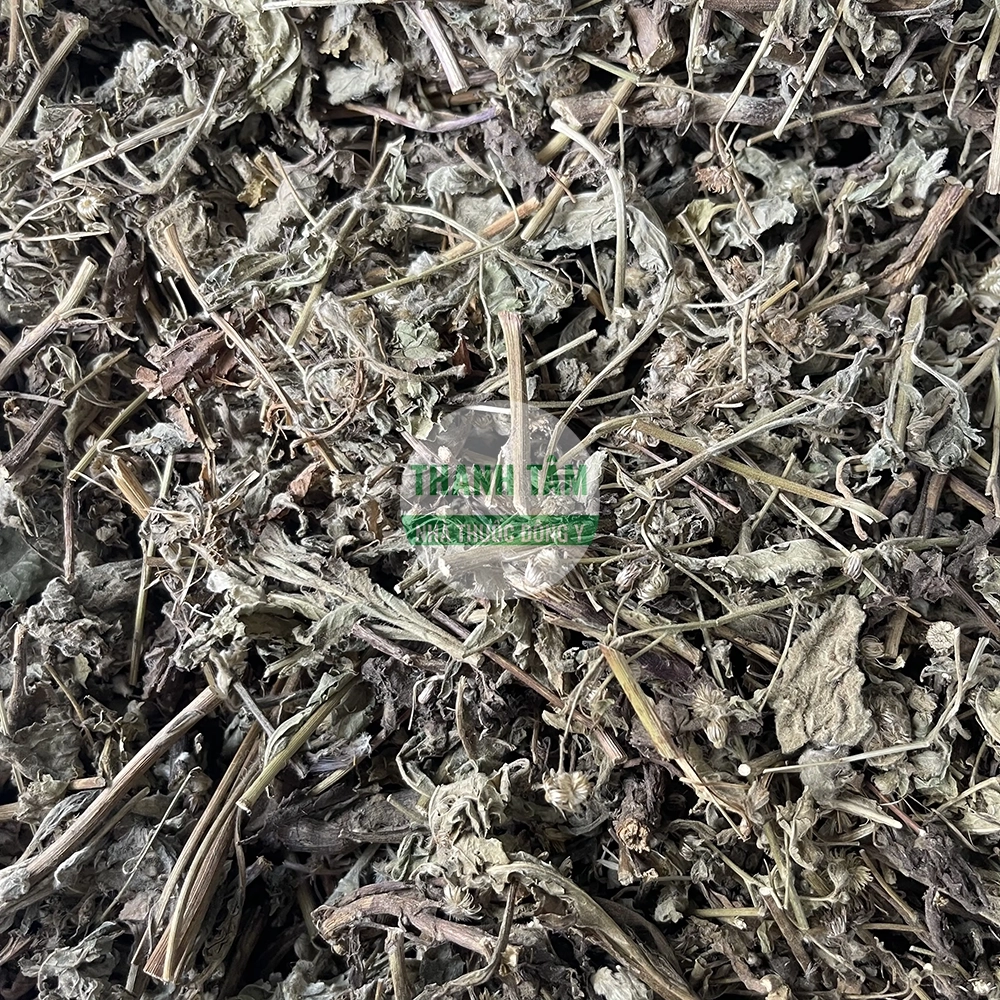
Malay blumea – a herb for clearing Liver heat and detoxifying
- Scientific name / Pinyin / Chinese: Herba Blumeae Lacerae / Jian Shuang Huang / 见霜黄
- Flavors, Nature – Meridian: Bitter, aromatic, Neutral – mainly enters the Liver Meridian
- Main benefits: Clears Liver heat, detoxifies, supports relief from swelling, boils, itchy sores, and minor bleeding according to traditional use.
- Reference dosage: 10–30 g of dried herb per day as a decoction; use an appropriate amount externally.
1. Origin and description
Malay blumea is the whole plant of Blumea lacera (Burm.f.) DC., a member of the daisy family (Asteraceae). It commonly grows in fields, open ground, and along roadsides. In parts of the Mekong Delta, it may also be cultivated and collected as a local vegetable.
This annual herb usually reaches 30–80 cm. Its upright, grooved stem is covered with soft hairs. The alternate leaves have toothed or irregularly divided margins and hairy undersides. Its flower heads are yellow, and the plant has a distinctive aromatic odor.
Both fresh and dried plants are used medicinally. After harvesting, the material is washed, cut, and shade-dried. Good-quality material should be evenly dry, aromatic, low in impurities, and free from mold.
2. Related names of Malay blumea
Other names: Lettuce-leaf blumea, Malay blumea herb, Cai ma, Co hoi, Kim dau tuyen, Ha kho thao nam, and Dai bi rach.
Scientific name: Herba Blumeae Lacerae.
Pinyin name: Jian Shuang Huang.
Chinese name: 见霜黄.
The Vietnamese name Ha kho thao nam may be confused with common self-heal, Prunella vulgaris, sometimes called northern Ha kho thao. These are different plants and should not be substituted for one another when preparing herbal remedies.
3. Flavors, Nature – Meridian
In Vietnamese TCM practice, the herb is described as Bitter, aromatic, and Neutral, and is generally associated with the Liver Meridian.
Its traditional actions include clearing Liver fire, removing toxins, easing inflammation, dispersing lumps, and helping control minor bleeding. These terms describe TCM functions rather than proven treatments for every infection or mass.
Because herbal use depends on the person’s complete pattern, the plant should not be selected only because swelling, itching, or inflammation is present.
4. Benefits of Malay blumea in TCM
The herb is mainly used to clear Liver heat, detoxify, reduce inflammation, and disperse localized swelling. In simple language, it appears in folk remedies intended to calm red swollen skin, boils, itchy sores, enlarged lymph nodes, or a sensation of internal heat.
Traditional local use also includes cough with phlegm, bronchial irritation, runny nose, nosebleeds, minor wound bleeding, constipation, or dark yellow urine. These uses are based mainly on regional experience.
Laboratory studies of Blumea lacera extracts have reported antioxidant, anti-inflammatory, and antibacterial activity. These findings remain preliminary and do not make the herb a replacement for antibiotics, wound care, thyroid treatment, or other therapy.
5. How to use and dosage
The plant may be prepared as a decoction, processed into an herbal extract, eaten as a cooked vegetable, or applied externally. A general reference dosage is 10–30 g of dried material per day.
- Decoction: Rinse the dried herb briefly, simmer it in water, and divide the liquid into the recommended servings for the day.
- External use: Wash the fresh plant carefully, crush it, and apply it around a mildly swollen or irritated area. Do not place it on deep wounds, severe infections, or large areas of broken skin.
- As a vegetable: Select correctly identified young shoots and leaves, wash them thoroughly, and cook them before eating.
- Herbal combinations: It may be paired with honeysuckle flower, dandelion, wedelia, smilax rhizome, or blackberry lily rhizome.
Do not use a large dose, drink it as daily tea, or continue it for several weeks without consulting a Herb doctor.
6. Indications and contraindications
Indications
According to folk experience, the herb may be used for boils, itchy sores, minor bleeding, cough with phlegm, bronchial irritation, runny nose, nosebleeds, and some swollen lymph nodes. These symptoms may have many causes.
Contraindications
People with a known allergy to plants in the daisy family should avoid it. Pregnant or breastfeeding women, children, and people with liver disease, kidney disease, bleeding disorders, or long-term medication use should seek medical advice before taking it.
Do not use this herb as a self-treatment for goiter, a persistent lump, a serious infection, or a deep wound. Seek medical care if a lump is hard, rapidly enlarging, painful, or accompanied by fever, unexplained weight loss, breathing difficulty, heavy bleeding, pus, or symptoms that do not improve.
7. Reference herbal combinations with Cải trời
- Boils and itchy sores: Cải trời may be combined with honeysuckle flower, dandelion, and wedelia.
- Cough with phlegm: It may be combined with platycodon root, aged tangerine peel, and licorice root under professional guidance.
- Swollen lymph nodes: It is traditionally paired with blackberry lily rhizome, but medical examination is needed to rule out serious causes.
- Minor superficial bleeding: A clean fresh plant may be crushed for external use while the wound is properly cleaned and monitored.
These combinations are for reference only. They do not replace a personalized prescription, proper wound care, or medical treatment.
8. Frequently asked questions
- Can Malay blumea be eaten as a vegetable?
Yes. Young shoots and leaves are eaten in some regions, but the plant must be correctly identified, thoroughly washed, and properly cooked. - Can the herb cure goiter?
There is not enough clinical evidence to support this claim. Goiter has several possible causes and may require examination, thyroid testing, and ultrasound. - Can it be taken every day?
Long-term unsupervised use is not recommended. The dosage and duration should reflect the person’s health, constitution, and professional advice. - Is Cải trời the same as common self-heal?
No. Ha kho thao nam is a Vietnamese folk name for Cải trời, while common self-heal is Prunella vulgaris, a different plant. - How can good-quality material be identified?
Choose evenly dried material with a natural aroma, recognizable stems and leaves, little foreign matter, no mold, and a traceable source.
👉 Thanh Tam Herbs – A trusted Herbal pharmacy for carefully selected medicinal herbs
Nguồn tham khảo
- Dược điển Việt Nam.
- Lương y Hy Lãn Hoàng Văn Vinh, Cây thuốc vị thuốc Đông y, Nhà xuất bản Hà Nội, 2001.
- Tài liệu, hướng dẫn và thông tin chuyên ngành từ Bộ Y tế.
Rate this article
How useful was this article?
Tác giả bài viết