Chinese Lovage Root | Traditional Herbal Medicines
🌿 What Is Chinese Lovage Root? Benefits, Uses and Safety Notes of Gao Ben in TCM
Chinese Lovage Root (藁本 – Gao Ben) is a TCM herb best known for supporting cold-type conditions, vertex headache, pain relief and channel circulation. This article helps you understand its traditional benefits, common uses and important safety notes before use.
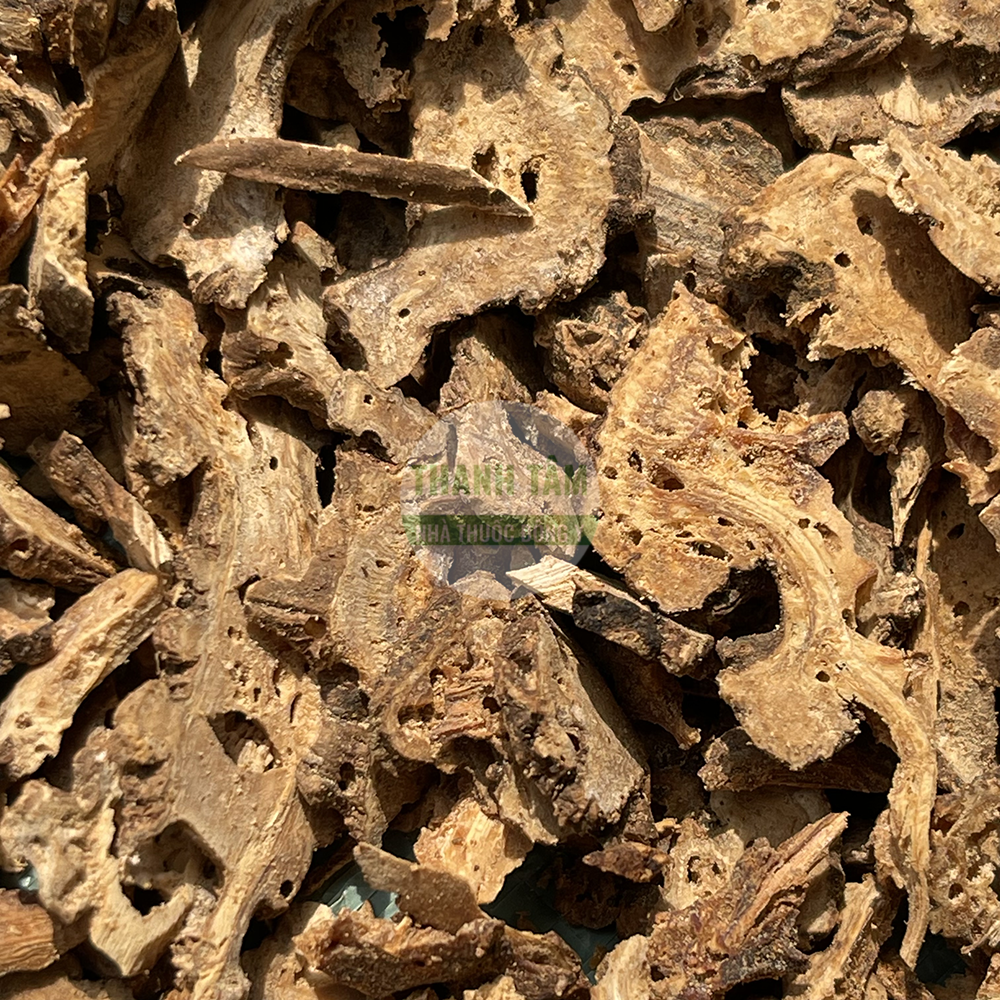
Chinese Lovage Root – Gao Ben TCM herb for headache and cold patterns
- Scientific name / Pinyin / Chinese: Rhizoma et Radix Ligustici sinensis / Gao Ben / 藁本
- Nature, taste and meridians: Pungent, Warm – commonly associated with the Bladder meridian
- Main uses: Releases cold patterns, eases headache, disperses wind-cold, supports channel circulation
- Suggested dosage: 3–9 g per day as decoction
1. Origin and description
The name Gao Ben is traditionally explained by the appearance of the plant root, which resembles the base of a grain stalk. “Ben” refers to the root or base, while “Gao” is associated with the old name of a grain plant. In Vietnam, this herb is usually imported.
Chinese Lovage Root is the dried root and rhizome of Ligusticum sinense, a plant in the Apiaceae family. It grows in high mountainous areas and prefers cool climates. The root has an aromatic scent, a mildly spicy taste and a slight bitterness. It is commonly harvested in autumn, cleaned, cut into sections and dried for herbal use.
The dried herb is yellowish brown, with a fine fibrous texture when broken and a distinctive fragrance. In TCM, Gao Ben is often used for wind-cold patterns, headache at the top of the head and discomfort around the back of the neck.
2. Related names of Chinese Lovage Root
Chinese Lovage Root is also known by several other names, including Thảo bản, Bắc Cảo bản, Tây khung cảo bản, Cảo căn and Vi hành. Its scientific name is Rhizoma et Radix Ligustici sinensis, its Pinyin name is Gao Ben, and its Chinese name is 藁本.
In classical herbal texts, Gao Ben is considered an important herb for dispelling wind-cold, warming the head area and easing pain. Many classical TCM formulas mention its use for cold-type common cold patterns and vertex headache. Traditionally, the herb is collected, dried and processed by removing rough parts, washing it clean and preparing it for decoction.
3. Nature, taste and meridian entry
According to TCM, Chinese Lovage Root has a spicy taste and warm nature, and is commonly associated with the Bladder meridian.
Its spicy taste helps disperse wind-cold, while its warming quality helps support channel circulation and reduce cold-related discomfort. It is especially valued in formulas for headache, stiff neck and body aches caused by cold exposure or wind-cold invasion.
4. Benefits and traditional actions
- Releases cold patterns and dispels wind-cold: Gao Ben is commonly used for cold-type conditions with headache, aversion to cold and body aches after exposure to cold wind or rain.
- Eases vertex headache: It is especially known for headache at the top of the head and discomfort around the nape, which are typical signs in certain wind-cold patterns.
- Supports pain relief and channel circulation: Chinese Lovage Root helps warm the channels and is traditionally used for neck, shoulder, back and joint discomfort related to cold.
- Supports wind-cold common cold formulas: It is often combined with Notopterygium root, Saposhnikovia root and Chuan Xiong in exterior-releasing formulas.
- Modern herbal research direction: Some studies on Ligusticum herbs suggest potential pain-relieving, mild antibacterial and circulation-supporting properties, but clinical use should still follow professional guidance.
5. How to use Gao Ben and suggested dosage
- Decoction: Use 3–9 g per day, usually combined with other herbs in formulas for wind-cold patterns or headache.
- Powder form: In traditional practice, finely powdered Gao Ben may be used in small amounts under professional guidance.
- External use: It may be included in topical herbal preparations for neck, shoulder or muscle discomfort. Do not apply to open wounds or irritated skin.
In classical formulas, Gao Ben is often combined with Chuan Xiong and Angelica Dahurica Root to support headache relief and promote qi-blood movement.
6. Indications and contraindications
Indications
- Vertex headache and nape discomfort related to wind-cold.
- Cold-type common cold, aversion to wind, aversion to cold and body aches.
- Neck and shoulder stiffness, numbness of the limbs, or joint discomfort that worsens with cold exposure.
Contraindications
- Do not use for high fever, heat-type cold patterns or strong internal heat signs.
- Pregnant women should consult a qualified Herb doctor before use.
- Avoid high doses, as unsuitable use may cause dry mouth or internal heat.
7. Reference herbal combinations with Cảo bản
- Wind-cold affecting the Taiyang channel with vertex headache: Gao Ben may be combined with Notopterygium root, Asarum, Chuan Xiong and scallion white in selected classical formulas.
- Cold-damp discomfort in the upper body: Gao Ben may be used with aromatic herbs such as Aucklandia root when guided by a Herb doctor.
- Cold-related pain after proper pattern diagnosis: Gao Ben may be paired with warming and dampness-transforming herbs such as Atractylodes in classical references.
- Dry scalp flakes or topical care: Gao Ben and Angelica Dahurica Root may be ground into powder for external use in traditional references, but skin sensitivity should be checked first.
- Children’s itchy skin conditions: Classical texts mention external washing methods, but children should only use herbal washes under professional guidance.
- Topical liniment for neck and shoulder discomfort: Gao Ben may be included in professionally prepared external herbal liniments with Saposhnikovia root and other wind-dispelling herbs.
These formulas are for reference only and should be used under the guidance of a qualified Herb doctor. Self-medicating with high doses or incorrect combinations may reduce effectiveness or cause unwanted effects.
8. Frequently asked questions
- Can Chinese Lovage Root help with chronic headache?
It may help when the headache matches a wind-cold pattern, especially pain at the top of the head or around the nape. However, headaches related to blood pressure, stress, neurological issues or chronic conditions should be checked by a medical professional. - Can Gao Ben be used externally?
Yes. Gao Ben may be used in topical herbal preparations for massage or external application. However, it should not be applied to open wounds, severely irritated skin or infected areas.
👉 Thanh Tam Herbs – A trusted Herbal pharmacy in Cho Lon
Nguồn tham khảo
- Dược điển Việt Nam.
- Lương y Hy Lãn Hoàng Văn Vinh, Cây thuốc vị thuốc Đông y, Nhà xuất bản Hà Nội, 2001.
- Tài liệu, hướng dẫn và thông tin chuyên ngành từ Bộ Y tế.
Rate this article
How useful was this article?
Tác giả bài viết