Schefflera Bark | Traditional Herbal Medicines
🌿 Schefflera Bark – A TCM Herb for Strengthening Tendons and Bones and Dispelling Wind-Dampness
Schefflera Bark, known as Ngũ gia bì chân chim in Vietnamese, is a traditional herbal material prepared from the stem bark or root bark of Schefflera heptaphylla. In TCM, it is traditionally used to strengthen the Liver and Kidney, support tendons and bones, and dispel Wind-Dampness. It is commonly referenced for joint discomfort, numbness of the limbs, physical weakness, and reduced mobility in older adults.
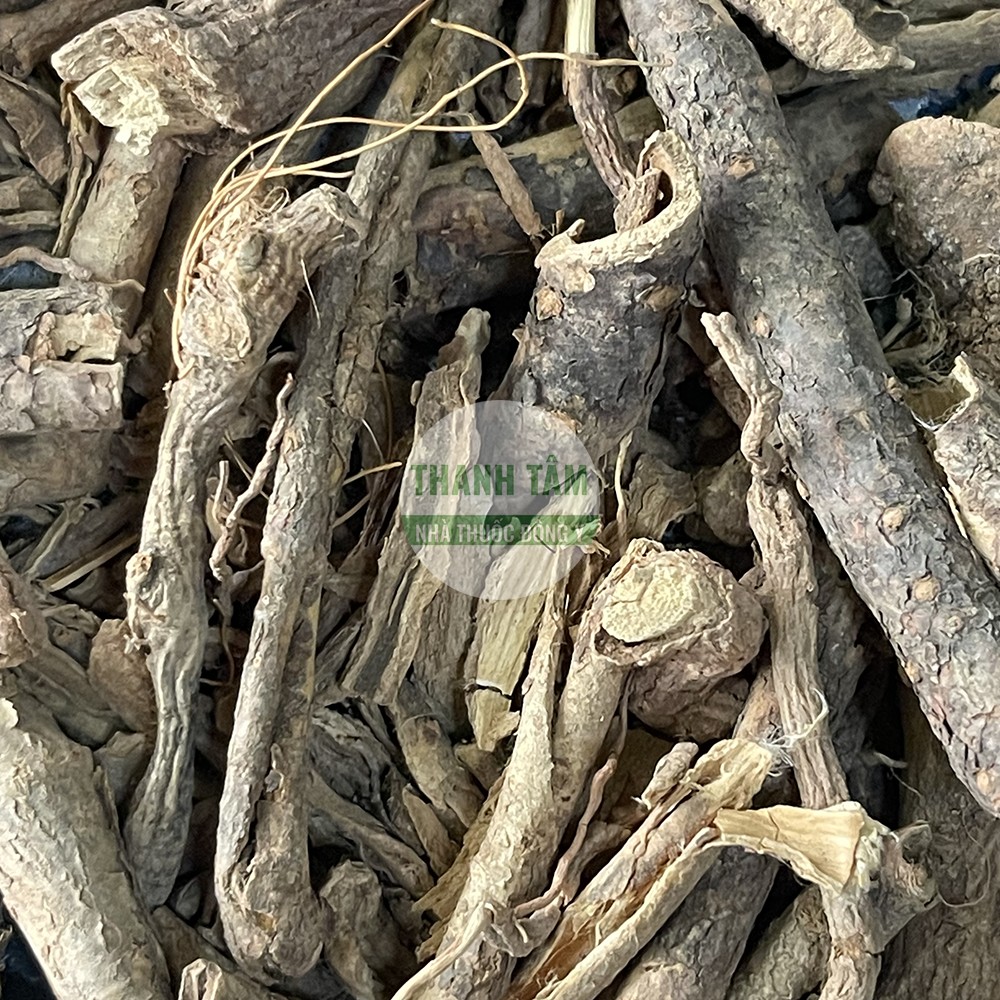
Schefflera Bark – a traditional herb used to support tendons and bones
- Scientific name / Pinyin / Chinese: Schefflera heptaphylla / Wu Jia Pi / 五加皮.
- Flavors, Nature – Meridian: Pungent, Bitter, Warm – associated with the Liver and Kidney Meridians.
- Main benefits: Traditionally used to dispel Wind-Dampness, strengthen tendons and bones, and support the Liver and Kidney.
- Reference dosage: Commonly 6–12 g daily, usually prepared as a decoction.
1. Origin and description
Schefflera Bark comes from Schefflera heptaphylla, a member of the Araliaceae family. The medicinal material is generally prepared from the stem bark or root bark after harvesting, cleaning, and drying.
The plant is a small tree or shrub that commonly reaches about 2–8 meters in height. Its leaves are palmately compound, with several leaflets spreading from one point in a shape that resembles a bird’s foot. This characteristic appearance is also reflected in the Vietnamese name “chân chim.”
After drying, the bark is typically yellow-brown to gray-brown, with a mild characteristic aroma and a slightly Pungent, Bitter taste. Good-quality material should be thick, dry, low in impurities, free from mold, and obtained from a clearly identified source.
2. Related names of Schefflera Bark
Other names: Ngũ gia bì chân chim, Ngũ gia bì, Cây đáng, Cây lằng, Cây chân vịt, Sâm nam.
Scientific name: Schefflera heptaphylla.
Pinyin name: Wu Jia Pi.
Chinese name: 五加皮.
Because Wu Jia Pi may refer to different regional herbal materials, correct botanical identification and reliable sourcing are important.
3. Flavors, Nature – Meridian
In TCM, Schefflera Bark is described as having Pungent and Bitter flavors with a Warm nature. It is traditionally associated with the Liver and Kidney Meridians.
The Pungent and Bitter flavors are traditionally linked with dispersing Wind and reducing Dampness, while the Warm nature is used for Cold and stiffness patterns.
Its association with the Liver Meridian relates to traditional support for the tendons and mobility. Its connection with the Kidney Meridian is traditionally linked with strengthening the lower back, bones, and general musculoskeletal function.
4. Benefits of Schefflera Bark in TCM
In TCM, this herb belongs to the group traditionally used to dispel Wind-Dampness while supporting the Liver and Kidney. Common uses include:
- Dispelling Wind-Dampness: Traditionally used for joint aches, stiffness, and discomfort associated with Wind-Dampness patterns.
- Strengthening tendons and bones: May be included in formulas for weakness of the lower back, knees, or limbs.
- Supporting the Liver and Kidney: Traditionally used when musculoskeletal weakness is associated with deficiency patterns.
- Supporting numbness of the limbs: May be combined with other herbs when the hands or feet feel numb or heavy.
- Supporting recovery from weakness: Traditionally referenced for people experiencing reduced strength after periods of physical weakness.
These uses belong to the TCM framework. Persistent joint pain, weakness, or numbness should be medically evaluated rather than managed only with herbal remedies.
5. How to use and dosage
Schefflera Bark is commonly used in several traditional forms:
- Decoction: A reference dosage is 6–12 g daily, usually combined with other herbs.
- Herbal wine: Traditionally included in medicated wines intended to support tendons, bones, and mobility.
- Herbal formulas: May be combined with herbs such as Du Huo and Sang Ji Sheng according to the TCM pattern.
- External use: Some traditional preparations use the herb in soaking or steaming formulas for joint discomfort.
Preparation should match individual constitution and symptoms. Alcohol-based preparations are not suitable for everyone.
6. Indications and contraindications
Indications
In traditional practice, the herb may be referenced for aching joints, Wind-Dampness patterns, numbness of the hands or feet, weakness of the tendons and bones, lower back or knee weakness, and general physical debility.
Contraindications and precautions
People with Yin deficiency and internal Heat or those currently experiencing high fever should use caution. Pregnant individuals should consult a healthcare professional or Herb doctor before medicinal use.
People taking regular medication should seek professional advice. Joint pain with severe swelling, redness, fever, trauma, progressive weakness, or loss of sensation requires medical evaluation.
7. Reference herbal combinations with Ngũ gia bì chân chim
- Joint pain associated with Wind-Dampness: Schefflera Bark + Du Huo + Sang Ji Sheng. Traditionally used to dispel Wind-Dampness and support joint comfort.
- Numbness of the hands and feet: Schefflera Bark + Ji Xue Teng + Dang Gui. Traditionally used to support Blood circulation and the channels.
- Weak tendons and bones in older adults: Schefflera Bark + Du Zhong + Gou Ji. Traditionally used to support the Liver, Kidney, tendons, and bones.
- Lower back and knee weakness: Schefflera Bark + Sang Ji Sheng + Shu Di Huang. Traditionally used to support Kidney deficiency patterns and mobility.
These combinations are provided for traditional reference only. Herbal formulas should be adjusted according to symptoms, constitution, medications, and professional assessment.
8. Frequently asked questions
- Is Schefflera Bark traditionally used for joint health? Yes. In TCM, it is commonly used in formulas intended to dispel Wind-Dampness and strengthen tendons and bones.
- Can it be prepared as herbal wine? Yes. Traditional practice includes alcohol-based preparations for tendons and bones, but these are not appropriate for everyone.
- What is the usual daily dosage? A commonly referenced dosage is 6–12 g daily when prepared as a decoction.
- Can it be used long term? It may be used for an appropriate course when suitable for the individual, but prolonged self-use without professional guidance is not recommended.
- How should good-quality material be selected? Choose dry, thick bark with a natural brown color, mild characteristic aroma, minimal impurities, no mold, and a clear botanical source.
👉 Visit Thanh Tam Herbs – a trusted Herbal pharmacy for quality herbs and TCM guidance
Nguồn tham khảo
- Dược điển Việt Nam.
- Lương y Hy Lãn Hoàng Văn Vinh, Cây thuốc vị thuốc Đông y, Nhà xuất bản Hà Nội, 2001.
- Tài liệu, hướng dẫn và thông tin chuyên ngành từ Bộ Y tế.
Rate this article
How useful was this article?
Tác giả bài viết