Polygala Root | Traditional Herbal Medicines
🌿 Polygala Root – A TCM Herb for Calming the Spirit, Supporting Memory, and Opening the Orifices
Polygala Root, known as Viễn chí in Vietnamese, is a well-known herb in TCM. It is traditionally valued for calming the Spirit, supporting memory and mental clarity, transforming Phlegm, and opening the orifices. The herb is commonly included in formulas for insomnia, forgetfulness, palpitations, emotional restlessness, and patterns of mental fatigue when professionally assessed.

- Scientific name / Pinyin / Chinese: Polygala tenuifolia / Yuan Zhi / 远志.
- Flavors, Nature – Meridian: Pungent, Bitter, slightly Warm – associated with the Heart and Kidney Meridians.
- Main benefits: Calms the Spirit, supports memory, transforms Phlegm, and traditionally helps open the orifices.
- Reference dosage: Commonly 3–9 g daily as a decoction.
1. Origin and description
Polygala Root is the dried root of Polygala tenuifolia, a medicinal plant in the Polygalaceae family that grows in mountainous and temperate regions.
The plant is a small perennial herb, usually 20–40 cm tall, with narrow lance-shaped leaves and pale purple to bluish purple flowers.
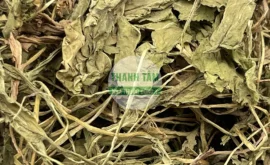
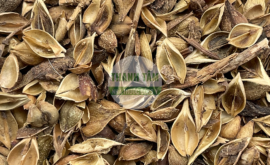
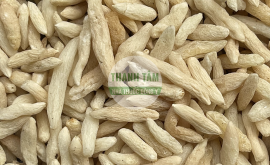
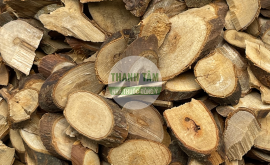
After harvesting, the roots are cleaned and dried. The woody core may be removed during traditional processing. The finished material is slender, yellow-brown to light brown, with a mild aroma and a Pungent, Bitter taste. Good-quality material should be dry, clean, mold-free, and clearly identified.
2. Related names of Polygala Root
Other names: Viễn chí, Tiểu thảo, Viễn chí nhục, Tỉnh tâm trượng, Polygala Root, Thinleaf Milkwort Root, Chinese Senega Root.
Scientific name: Polygala tenuifolia.
Pinyin name: Yuan Zhi.
Chinese name: 远志.
Some preparations remove the central woody core. Buyers should select clean, properly dried material with clear identification and origin.
3. Flavors, Nature – Meridian
In TCM, this herb has a Pungent and Bitter flavor with a slightly Warm nature. It is traditionally associated with the Heart and Kidney Meridians.
Its Pungent character is traditionally linked with moving and dispersing, while the Bitter quality is associated with draining and directing downward. Within TCM theory, Yuan Zhi is especially valued for connecting the Heart and Kidney, calming the Spirit, transforming Phlegm, and supporting mental clarity.
These are traditional concepts and should not be interpreted as direct modern pharmacological mechanisms.
4. Benefits of Polygala Root in TCM
Common traditional uses include:
- Calming the Spirit: Frequently included in formulas for insomnia, restlessness, palpitations, or emotional uneasiness when the TCM pattern is appropriate.
- Supporting memory and mental clarity: Traditionally used for forgetfulness, poor concentration, and reduced mental sharpness, particularly in formulas intended to nourish and settle the Heart.
- Transforming Phlegm: Used in traditional formulas when Phlegm is considered to obstruct the Heart or sensory orifices.
- Opening the orifices: Classical TCM describes Yuan Zhi as helping clear Phlegm-related obstruction that may contribute to mental cloudiness or reduced responsiveness.
- Supporting Heart-Kidney communication: Often chosen when insomnia, forgetfulness, or emotional instability is interpreted as a lack of harmony between the Heart and Kidney.
These benefits belong to the TCM framework. Persistent insomnia, memory decline, palpitations, anxiety, or changes in mental status should be evaluated medically.
5. How to use and dosage
A commonly referenced dosage is 3–9 g daily, usually prepared as a decoction. The herb may also appear in powders, pills, or traditional compound formulas.
It is frequently combined with herbs such as Suan Zao Ren and Fu Shen in formulas intended to calm the Spirit and support sleep. Processed forms may be selected according to the intended purpose.
Do not increase the dose or use the herb continuously without professional guidance, especially if you have digestive sensitivity.
6. Indications and contraindications
Indications
In traditional practice, Yuan Zhi may be used for insomnia, forgetfulness, palpitations, emotional restlessness, reduced mental clarity, and certain Phlegm-related patterns. Formula selection should be based on the individual constitution and overall TCM diagnosis.
Contraindications and precautions
People with Yin-deficiency and pronounced Heat signs should use caution. Those with gastritis, peptic ulcer disease, significant stomach irritation, or a tendency toward nausea should not self-use this herb because it may irritate the digestive tract.
Pregnant or breastfeeding individuals, children, people taking regular medication, and those with chronic conditions should consult a healthcare professional or Herb doctor before use.
Seek medical care for severe persistent insomnia, progressive memory problems, palpitations with chest pain or fainting, confusion, or sudden mental changes.
7. Reference herbal combinations with Viễn chí
- Insomnia and mental fatigue: Viễn chí may be combined with Suan Zao Ren and Fu Shen in traditional formulas intended to calm the Spirit and nourish the Heart.
- Forgetfulness and reduced memory: It may be paired with Dried Longan and Ren Shen in formulas designed to support Qi, nourish the Heart, and improve mental clarity.
- Palpitations and emotional uneasiness: Traditional combinations may include Bai Zi Ren and Dang Gui when the overall pattern calls for nourishing Blood and calming the Spirit.
- Insomnia associated with Heart-Kidney disharmony: It may be combined with Shu Di Huang and Lotus Seed depending on the individual pattern.
These combinations are for reference only. Formula composition, dosage, processing method, and duration should be adjusted according to the individual constitution and professional assessment.
8. Frequently asked questions
- Can Viễn chí help improve memory? In TCM, it is traditionally used to support memory, concentration, and mental clarity. Progressive memory loss should still be medically evaluated.
- Can it be used for insomnia? Yes, it appears in many traditional formulas intended to calm the Spirit and support sleep. The correct formula depends on the underlying TCM pattern.
- What is the usual daily dosage? A commonly referenced amount is 3–9 g per day, usually as part of a decoction or compound herbal formula.
- Why is the woody core sometimes removed? Traditional processing may remove the central core and prepare the root in specific ways to improve usability and reduce irritation.
- Can it be used long term? Long-term self-use is not recommended. Duration should depend on symptoms, constitution, response, and professional guidance.
- Who should be cautious with this herb? People with significant stomach irritation, peptic ulcers, Yin-deficiency Heat patterns, chronic illness, pregnancy, or regular medication use should seek professional advice first.
👉 Visit Thanh Tam Herbs – a trusted Herbal pharmacy for quality herbs and TCM guidance
Nguồn tham khảo
- Dược điển Việt Nam.
- Lương y Hy Lãn Hoàng Văn Vinh, Cây thuốc vị thuốc Đông y, Nhà xuất bản Hà Nội, 2001.
- Tài liệu, hướng dẫn và thông tin chuyên ngành từ Bộ Y tế.
Rate this article
How useful was this article?
Tác giả bài viết