Fennel Seeds | Traditional Herbal Medicines
🌿 Fennel Seeds – A TCM Herb for Warming the Kidneys, Easing Cold Abdominal Pain, and Supporting Digestion
Fennel Seeds, known in TCM as Xiao Hui Xiang (小茴香), are both a traditional medicinal ingredient and a familiar culinary spice. With theirs pleasant aroma and distinctly Warm nature, they are commonly used to warm the Spleen and Stomach, disperse Cold, regulate Qi, relieve pain, and support digestive comfort.
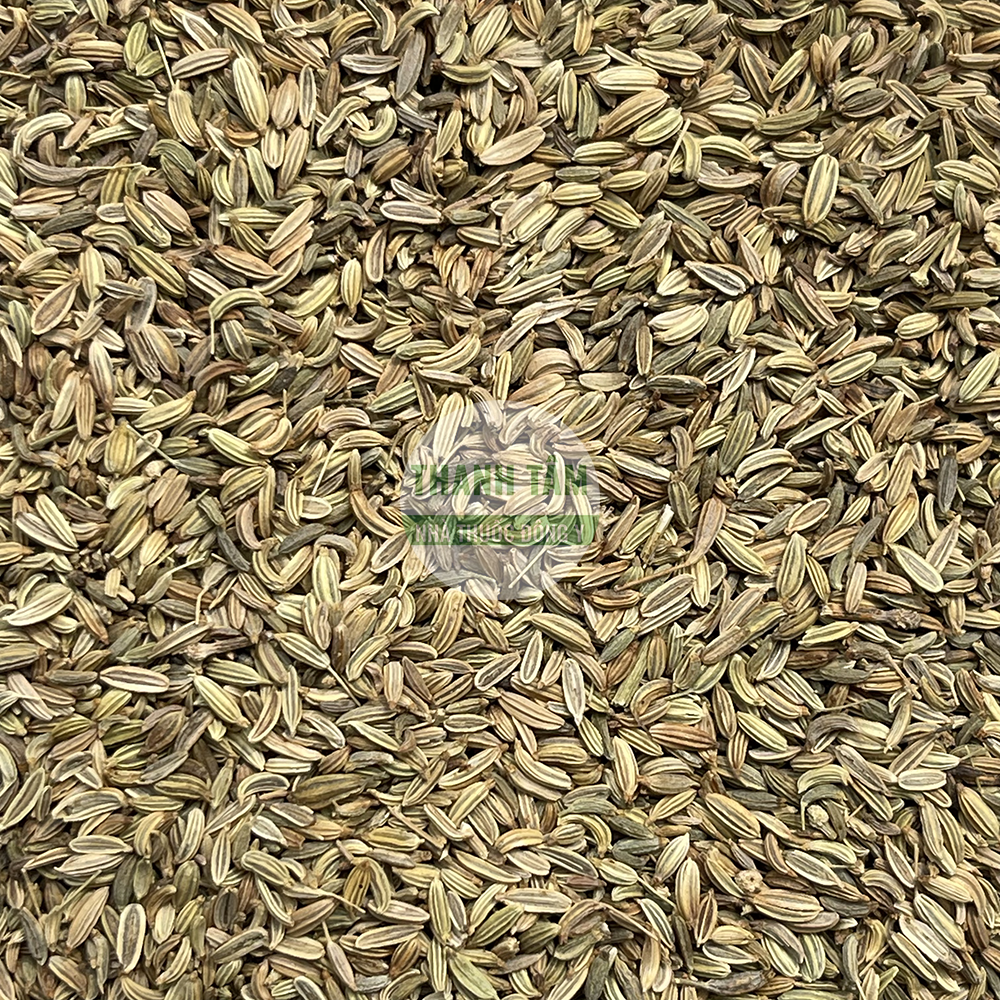
Fennel Seeds – a warming TCM herb traditionally used to disperse Cold
- Scientific name / Pinyin / Chinese: Fructus Foeniculi / Xiao Hui Xiang / 小茴香.
- Flavors, Nature – Meridian: Pungent, Warm – Liver, Kidney, Spleen, and Stomach.
- Main benefits: Warms the abdomen, helps ease pain related to Cold, supports digestion, and helps reduce bloating and gas.
- Reference dosage: 3–8 g daily, commonly used in decoctions or as a culinary spice.
1. Origin and description
Fennel Seeds are the dried ripe fruits of the fennel plant, a member of the Apiaceae family. The plant originated in the Mediterranean region and is now cultivated widely in China, India, the Middle East, Europe, and Vietnam.
Fennel is an herbaceous plant that can reach approximately 1–2 meters in height. It has hollow stems, finely divided feathery leaves, and small pale-yellow flowers arranged in compound umbels. The fruits are small and oval, turning grayish green to light brown as they mature, with a characteristic aroma.
In TCM, the dried fruit is used medicinally. Good-quality material should have a strong aroma, a mildly Pungent and Sweet taste, and should be free from mold, excessive breakage, or unusual odor.
2. Related names of Fennel Seeds
Other names: Tiểu hồi, Hồi hương, Hương hồi, Tiểu hồi hương, Hoài hương tử, fennel seed, sweet fennel, small fennel.
Scientific name: Fructus Foeniculi.
Pinyin name: Xiao Hui Xiang.
Chinese name: 小茴香.
Although commonly called “seed” in English, the medicinal material is botanically the dried ripe fruit of fennel. It should also be distinguished from star anise, which is a different plant with a stronger, more licorice-like aroma.
3. Flavors, Nature – Meridian
According to TCM theory, Fennel Seed is Pungent in flavor and Warm in nature, and enters the Liver, Kidney, Spleen, and Stomach Meridians. The Pungent flavor is associated with moving Qi and dispersing Cold, while the Warm nature helps warm the middle and lower burners in selected Cold patterns.
Through the Spleen and Stomach Meridians, the herb is traditionally used to support digestion, reduce abdominal fullness, relieve gas, and ease discomfort associated with Cold foods or digestive Cold. Through the Liver and Kidney Meridians, it is used in formulas for lower abdominal pain, Cold in the lower burner, and selected menstrual discomfort related to Cold.
4. Benefits of Fennel Seeds in TCM
Fennel Seed is widely used in TCM because of several traditional actions:
- Warms the middle and disperses Cold: Helps warm the Spleen and Stomach and may ease abdominal pain associated with Cold.
- Regulates Qi and relieves pain: Traditionally used for lower abdominal discomfort, distension, and menstrual pain related to Cold and Qi stagnation.
- Supports digestion: May help with bloating, gas, indigestion, mild nausea, and reduced appetite.
- Warms the Kidney area: Traditionally used when Cold in the lower burner is associated with lower abdominal discomfort or aching in the lower back.
Modern research on fennel essential oil has also explored mild antimicrobial, antispasmodic, and digestive effects. These findings do not replace medical diagnosis and should not be interpreted as proof that the herb can treat specific digestive, gynecological, or kidney diseases.
5. How to use and dosage
Fennel Seed can be used in several ways depending on the purpose:
- Decoction: A commonly referenced amount is 3–8 g daily, usually decocted together with other herbs.
- Culinary use: Small amounts may be added to soups, stews, meat dishes, or spice blends to provide aroma and support digestion.
- Powdered form: It may be ground and used in small amounts in traditional preparations for bloating or Cold abdominal discomfort.
The medicinal amount should not be used continuously without a clear purpose. People with persistent symptoms should consult a healthcare professional or Herb doctor instead of relying on long-term self-treatment.
6. Indications and contraindications
Indications
In TCM, Fennel Seed may be referenced for abdominal pain due to Cold, bloating, indigestion, loose stools related to Cold, menstrual cramps, a sensation of Cold in the lower abdomen, or patterns described as Spleen-Stomach deficiency with Cold.
Contraindications
It is generally not recommended for people with pronounced internal Heat, high fever, marked dry mouth, or constipation unless specifically guided by a qualified practitioner. Pregnant people should consult a doctor or Herb doctor before using medicinal amounts.
If abdominal pain is severe, persistent, accompanied by vomiting, fever, gastrointestinal bleeding, unusual vaginal bleeding, or other concerning symptoms, medical evaluation is necessary.
7. Reference herbal combinations with Tiểu hồi
- Warming the middle and easing Cold abdominal pain: Tiểu hồi may be combined with Gan Jiang in an appropriate warming formula.
- Regulating Qi and reducing bloating: It may be paired with Chen Pi when fullness and gas are associated with Qi stagnation and Cold.
- Warming the Kidney area and easing lower abdominal discomfort: It may be combined with Rou Gui in a suitable formula.
- Creating a warm, aromatic culinary spice blend: Tiểu hồi may be combined with Da Hui Xiang, Ding Xiang, Cao Guo, and Rou Gui.
These combinations are for traditional reference only. Exact proportions, preparation methods, and duration of use should reflect individual constitution, symptoms, medication use, and TCM pattern differentiation.
8. Frequently asked questions
- Can Fennel Seeds be used every day? Small culinary amounts are commonly used as a spice, but medicinal doses should not be taken continuously without professional guidance.
- Are Tiểu hồi and star anise the same? No. Tiểu hồi is fennel fruit, while star anise comes from a different plant and has a larger star-shaped fruit with a stronger aroma.
- Can it help menstrual cramps? In TCM, it is traditionally considered when menstrual pain is associated with Cold and lower abdominal discomfort. Other causes of menstrual pain still require appropriate assessment.
- Can it help with gas and bloating? It is commonly used in both food and TCM formulas to support digestion and relieve mild gas, especially when symptoms are associated with Cold.
- How do I choose good-quality material? Choose dry, intact fruits with a strong characteristic aroma, natural color, no mold, no insect damage, and clear sourcing from a reliable supplier.
👉 Visit Thanh Tam Herbs – a trusted Herbal pharmacy for quality herbs and TCM guidance
Nguồn tham khảo
- Dược điển Việt Nam.
- Lương y Hy Lãn Hoàng Văn Vinh, Cây thuốc vị thuốc Đông y, Nhà xuất bản Hà Nội, 2001.
- Tài liệu, hướng dẫn và thông tin chuyên ngành từ Bộ Y tế.
Rate this article
How useful was this article?
Tác giả bài viết