Cassia Cinnamon Bark | Traditional Herbal Medicines
🌿 Cassia Cinnamon Bark – A Warming TCM Herb Traditionally Used to Support Yang and Circulation
Cassia cinnamon bark, known in TCM as Rou Gui, is an important warming herb traditionally used to dispel Cold, support Yang, promote digestive comfort, and encourage the movement of Qi and Blood. With its distinctive aroma and Pungent, Sweet flavor, it has long been valued both as an herbal ingredient and as a familiar culinary spice.
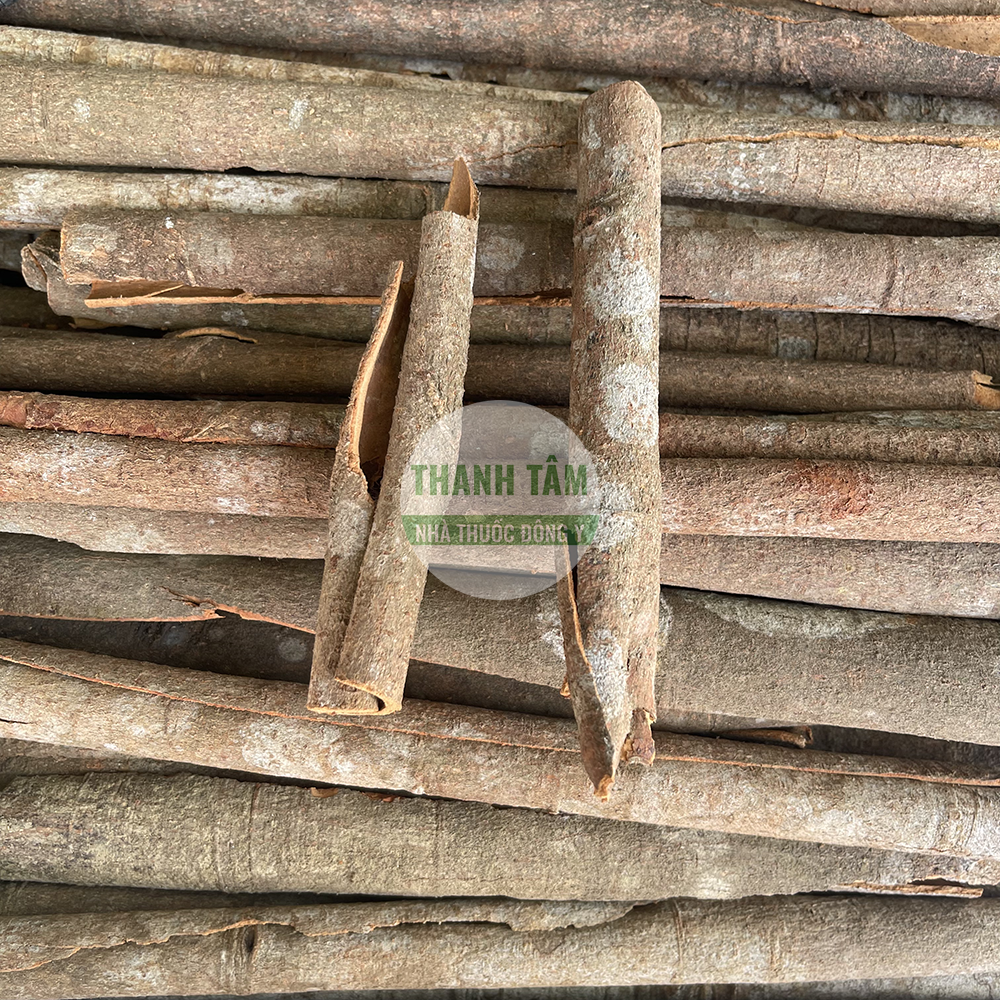
Cassia cinnamon bark – a traditional warming Yang herb in TCM
- Scientific name / Pinyin / Chinese: Cinnamomum cassia Presl / Rou Gui / 肉桂
- Flavors, Nature – Meridian: Pungent and Sweet; Hot Nature – enters the Kidney, Spleen, Heart, and Lung Meridians
- Main benefits: Traditionally used to warm the body, support digestion, promote circulation, and ease discomfort associated with Cold patterns
- Reference dosage: 2–6 g per day, or as directed by a qualified Herb doctor
1. Origin and description
Cassia cinnamon bark is the dried trunk or branch bark of Cinnamomum cassia Presl, a tree in the Lauraceae family. Cinnamon trees are widely cultivated in mountainous areas of Vietnam, including Yen Bai, Quang Nam, and Quang Ngai, as well as in China and other parts of Southeast Asia.
The cinnamon tree is an evergreen species that may grow approximately 10–15 meters tall. Its leaves are aromatic, and the bark contains fragrant essential oils. After harvesting, the bark is peeled and dried, often curling naturally into rolls or quills. It typically has a reddish-brown color, a rough outer surface, a smoother inner surface, and a strong Sweet-Pungent aroma.
In TCM, Rou Gui is considered a strongly warming herb and is generally used in relatively small amounts. Good-quality bark is thick, aromatic, dry, free from mold, and rich in its characteristic essential oils.
2. Related names of Cassia cinnamon bark
Other names: Chinese cinnamon, cassia bark, Rou Gui, Gui Pi, Guan Gui, and Que Nhuc.
Scientific name: Cinnamomum cassia Presl.
Pinyin name: Rou Gui.
Chinese name: 肉桂.
In traditional herbal classification, Rou Gui belongs to the group of herbs that warm the interior and dispel Cold. It is especially important in formulas designed to warm the internal organs and support weakened Yang patterns.
3. Flavors, Nature – Meridian
Cassia cinnamon bark is described as Pungent and Sweet with a Hot Nature. In TCM theory, the Pungent flavor promotes movement of Qi and Blood and helps disperse Cold, while the Sweet flavor contributes a harmonizing and supportive quality.
The herb enters the Kidney, Spleen, Heart, and Lung Meridians. Its Kidney association is traditionally linked with warming Kidney Yang and supporting vitality. Its relationship with the Spleen helps explain its use in Cold-related digestive patterns. Through the Heart Meridian, Rou Gui is traditionally used to warm and promote the movement of Blood.
These Meridian descriptions belong to the theoretical framework of TCM and should not be interpreted as direct effects on modern anatomical organs.
4. Benefits of Cassia cinnamon bark in TCM
Cassia cinnamon bark is traditionally used in a variety of formulas for Cold and Yang-deficiency patterns. Common applications include:
- Warming Kidney Yang: Traditionally used for weakness, sensitivity to Cold, and cold hands or feet associated with Yang deficiency.
- Warming the body: Used when a person feels persistently cold or has symptoms that worsen in cold weather.
- Supporting digestion: Included in formulas for abdominal fullness, reduced appetite, or digestive discomfort associated with internal Cold.
- Promoting circulation: Traditionally used to encourage the movement of Qi and Blood in patterns involving Cold and stagnation.
- Easing Cold-related discomfort: May be included in formulas for lower-back, joint, or abdominal discomfort that becomes worse with Cold.
Because of its strongly Hot Nature, Rou Gui is usually used in modest amounts and combined with other herbs according to the individual TCM pattern.
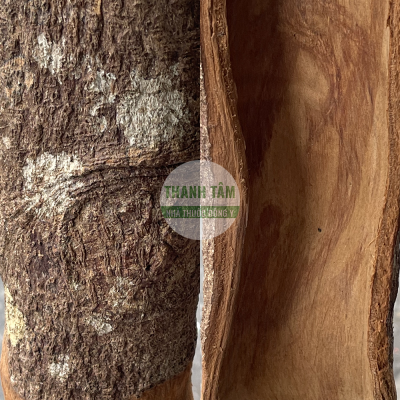
Cassia cinnamon bark | Thanh Tam Herbs
5. How to use and dosage
Cassia cinnamon bark may be prepared in several traditional ways:
- Decoction: Use approximately 2–6 g per day. It is often added toward the end of decoction because prolonged boiling may reduce some of its aromatic components.
- Powder: The dried bark may be ground into a fine powder and taken in small amounts according to professional guidance.
- Herbal wine: Traditional preparations may combine Rou Gui with Du Zhong and Yin Yang Huo for warming tonic formulas.
- Culinary use: Small amounts may be added to soups, stews, and other foods as an aromatic warming spice.
High medicinal doses or prolonged use are not recommended without guidance from a qualified Herb doctor or healthcare professional.
6. Indications and contraindications
Traditional indications
- Cold hands and feet or increased sensitivity to Cold
- Lower-back and knee weakness associated with Kidney Yang deficiency patterns
- Poor appetite, abdominal fullness, or digestive discomfort associated with Spleen-Stomach Cold
- Menstrual abdominal discomfort associated with Cold patterns
- General weakness traditionally attributed to insufficient Yang
Contraindications and precautions
- Avoid medicinal use during high fever or acute inflammatory conditions unless professionally advised.
- People with Yin deficiency accompanied by pronounced Heat signs should use it cautiously.
- Pregnant women should consult a qualified healthcare professional before medicinal use.
- Avoid prolonged high-dose use.
- People taking medicines for diabetes, blood pressure, anticoagulation, or liver conditions should seek medical advice before using concentrated cinnamon products regularly.
7. Reference herbal combinations with Nhục quế
- For warming Kidney Yang: Cassia cinnamon bark + Du Zhong + Yin Yang Huo.
- For warming the Spleen and supporting digestion: Cassia cinnamon bark + Gan Jiang.
- For Cold-related discomfort and traditional circulation support: Cassia cinnamon bark + Chuan Xiong.
- For weakness associated with deficiency patterns: Nhục quế + Dang Shen.
- Classical formula for Kidney Yang deficiency and internal Cold patterns: Nhục quế may be combined with Mu Dan Pi, Fu Ling, Ze Xie, prepared Rehmannia root, Shan Zhu Yu, Shan Yao, and prepared Fu Zi. Traditional pill preparations of this type should only be used under professional supervision, particularly because Fu Zi requires correct processing and careful dosing.
These combinations are provided for traditional reference only. Herbal formulas should be selected according to an individual’s constitution, symptoms, and TCM diagnosis by a qualified Herb doctor.
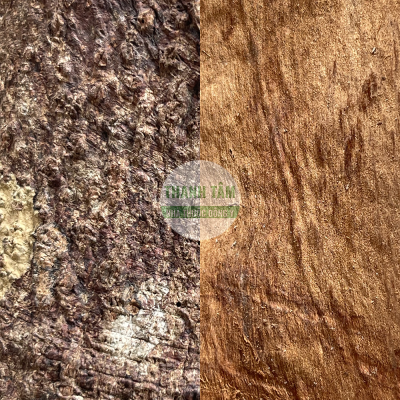
Close-up of Cassia cinnamon bark | Thanh Tam Herbs
8. Frequently asked questions
Can Cassia cinnamon bark be used every day?
Small culinary amounts are commonly consumed as a spice, but regular medicinal doses are different. Because Rou Gui has a strongly Hot Nature, prolonged or high-dose medicinal use should be guided by a qualified professional.
What is the difference between Rou Gui and Gui Zhi?
Rou Gui refers mainly to cinnamon bark, while Gui Zhi refers to young cinnamon twigs. In TCM, Rou Gui is generally considered stronger and more deeply warming, while Gui Zhi is commonly used to warm the channels, release the exterior, and promote circulation at a more superficial level.
Can people with high blood pressure use Cassia cinnamon bark?
Small amounts used as food may be appropriate for many people, but medicinal doses should be discussed with a healthcare professional, especially when blood-pressure medication or other cardiovascular medicines are being taken.
👉 Visit Thanh Tam Herbs – a trusted Herbal pharmacy offering carefully sourced TCM herbs and professional guidance.
Nguồn tham khảo
- Dược điển Việt Nam.
- Lương y Hy Lãn Hoàng Văn Vinh, Cây thuốc vị thuốc Đông y, Nhà xuất bản Hà Nội, 2001.
- Tài liệu, hướng dẫn và thông tin chuyên ngành từ Bộ Y tế.
Rate this article
How useful was this article?
Tác giả bài viết