Platycodon Root | Traditional Herbal Medicines
🌿 Platycodon Root – A Popular TCM Herb for Phlegm, Cough and Lung Support
Platycodon Root, known as Jie Geng in TCM, is a widely used herb for cough, phlegm, sore throat, hoarseness, and respiratory discomfort. In traditional practice, it is valued for helping open the Lung, promote the discharge of phlegm, soothe the throat, and guide the actions of other herbs toward the upper body and respiratory system.
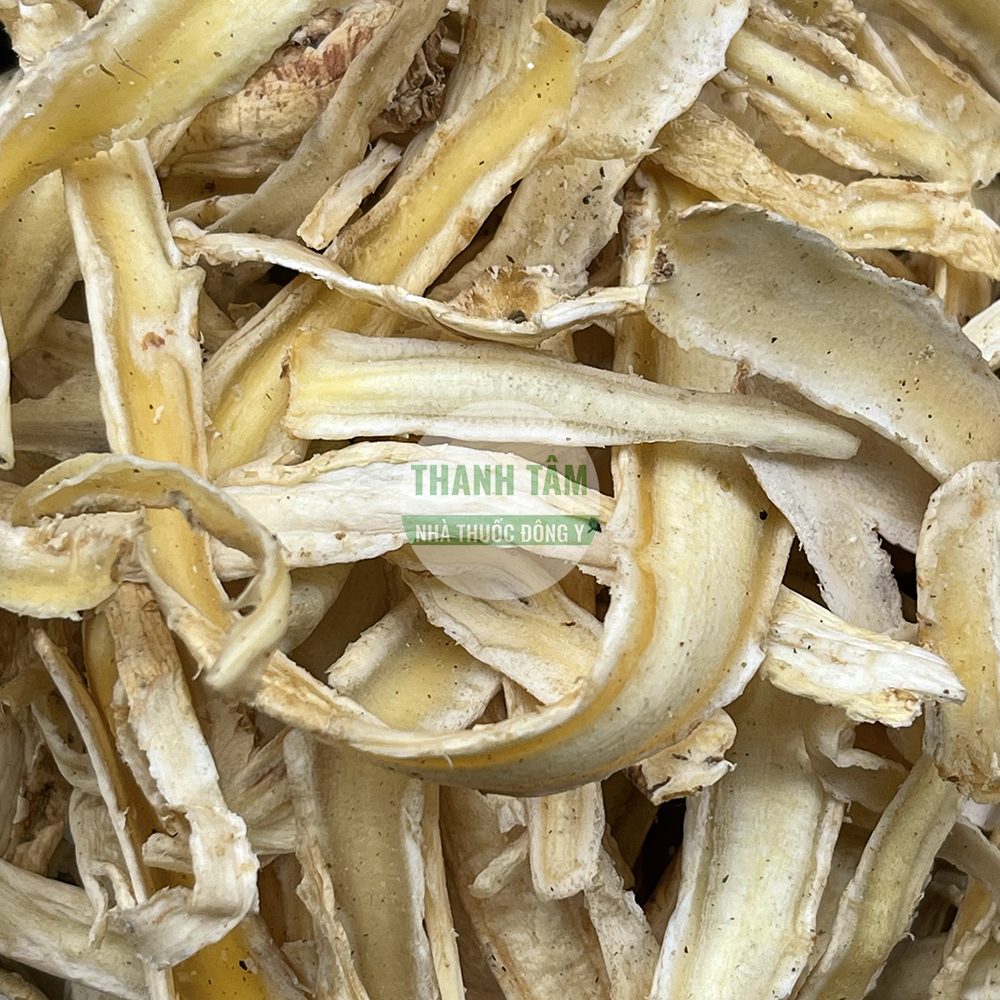
Platycodon Root traditionally used to clear phlegm and support the Lung in TCM
- Scientific name / Pinyin / Chinese: Platycodon grandiflorum / Jie Geng / 桔梗.
- Flavors, Nature – Meridian: Bitter, mildly Pungent, Neutral – Lung.
- Main benefits: Helps relieve cough, clear phlegm, soothe the throat, open the Lung, and support respiratory comfort.
- Reference dosage: 6–12 g daily, commonly prepared as a decoction or combined with other herbs in TCM formulas.
1. Origin and description
Platycodon Root is the dried root of Platycodon grandiflorum, a perennial herb in the Campanulaceae family. The plant usually grows about 50–80 cm tall, with serrated leaves and distinctive bell-shaped flowers that range from pale purple to blue.
The plant is widely cultivated in China, Korea, Japan, and some mountainous areas of Vietnam. The medicinal root is generally harvested in autumn, cleaned, trimmed of small lateral roots, and then sun-dried or gently dried for storage.
The dried root is usually ivory-white to pale beige, firm in texture, and slightly fibrous when broken. Its taste is mildly Bitter with a subtle Pungent quality.
In TCM, Jie Geng is especially valued for its ability to direct herbal actions toward the Lung and upper body. For this reason, it frequently appears in formulas for cough, throat discomfort, chest congestion, and phlegm accumulation.
2. Related names of Platycodon Root
Other names: Cát cánh, Ngạnh thảo, Kết cánh, platycodon root, bellflower root, Chinese bellflower root.
Scientific name: Platycodon grandiflorum.
Pinyin name: Jie Geng.
Chinese name: 桔梗.
The medicinal material specifically refers to the prepared root of Platycodon grandiflorum. Other ornamental bellflower species or plants with similar common names should not automatically be considered equivalent for medicinal use.
3. Flavors, Nature – Meridian
According to TCM theory, this herb is Bitter and mildly Pungent in flavor, Neutral in nature, and primarily enters the Lung Meridian.
The Bitter flavor is traditionally associated with helping clear and descend phlegm, while the Pungent quality supports the dispersing function of the Lung. Its Neutral nature allows it to be used in a variety of respiratory patterns when combined appropriately with other herbs.
Jie Geng is also traditionally described as an herb that “opens the Lung.” In TCM, this refers to supporting the movement of Lung Qi, helping relieve chest congestion, and promoting the discharge of phlegm from the respiratory tract.
4. Benefits of Platycodon Root in TCM
- Supports cough relief and phlegm clearance: Traditionally used to help loosen thick or sticky phlegm and make it easier to expectorate.
- Opens the Lung: Supports normal Lung Qi movement and may help ease chest congestion associated with phlegm.
- Soothes the throat: May help reduce throat irritation, soreness, a sensation of obstruction, and hoarseness.
- Supports respiratory comfort: Frequently included in formulas for cough, sore throat, bronchial discomfort, and other upper respiratory symptoms.
- Guides other herbs toward the Lung: Traditionally used to help direct the effects of a formula toward the chest, throat, and respiratory system.
Modern research has identified saponins and other compounds in Platycodon grandiflorum that are being studied for anti-inflammatory and respiratory-related properties. However, traditional herbal use should not replace appropriate medical treatment for serious respiratory conditions.
5. How to use and dosage
A commonly referenced dosage is 6–12 g per day. The actual amount may vary according to individual constitution, symptoms, preparation method, and other herbs included in the formula.
- Decoction: Simmer the dried root in water according to professional guidance. It may be combined with Gan Cao, Chen Pi, or other respiratory herbs.
- Powdered preparation: The dried root may be ground into powder and traditionally combined with honey to help soothe the throat.
- Food preparation: In some Asian traditions, the root may also be cooked in soups or dishes as part of supportive dietary care.
- Storage: Keep tightly sealed in a cool, dry place away from moisture, heat, and direct sunlight.
Excessive amounts may cause stomach discomfort, nausea, or irritation in sensitive individuals, so high-dose or prolonged self-use is not recommended.
6. Indications and contraindications
Indications
In TCM, Platycodon Root may be referenced for cough with phlegm, sore throat, hoarseness, chest fullness related to phlegm, and respiratory discomfort. It is also commonly considered for people who frequently use their voice or are exposed to dust, smoke, or other respiratory irritants.
Contraindications and precautions
People with a very dry cough due to Yin deficiency, particularly when there is marked throat dryness and little or no phlegm, should use caution. People with a sensitive Stomach, frequent nausea, or digestive weakness may also require a lower dose.
Children should only use this herb with appropriate dosage guidance from a qualified healthcare professional or Herb doctor.
Persistent cough, breathing difficulty, high fever, chest pain, coughing up blood, or worsening respiratory symptoms require medical evaluation.
7. Reference herbal combinations with Cát cánh
- Cough with phlegm: May be combined with Chen Pi and Gan Cao to support phlegm clearance and soothe the respiratory tract.
- Sore throat and throat irritation: May be paired with Jin Yin Hua and Bo He in selected formulas to support throat comfort.
- Persistent cough with difficult-to-expel phlegm: May be combined with Ban Xia and Fu Ling according to the individual TCM pattern.
- Abdominal distension in traditional cold-damage patterns: Classical references may combine Jie Geng, Ban Xia, Chen Pi, and Sheng Jiang, depending on the diagnosis and constitution.
- Chest fullness without significant pain: May be paired with Zhi Ke in selected traditional formulas to support Qi movement in the chest.
These combinations are provided for traditional reference only. A complete TCM formula should be selected according to symptoms, constitution, and pattern differentiation rather than based on a single symptom alone.
8. Frequently asked questions
- Can children use Platycodon Root? It may be used in children at an appropriate dose, but professional guidance is recommended before use.
- Can it be used for a long time? Continuous long-term use is not recommended unless there is a clear purpose and professional supervision.
- Does Platycodon Root cause internal heat? No. It is considered Neutral in TCM rather than Hot or Warm. However, excessive use may cause digestive discomfort.
- Can it be used for a dry cough without phlegm? Caution is advised. A very dry cough, especially when associated with Yin deficiency, may require a different TCM approach.
- How can I choose good-quality Platycodon Root? Choose clean, dry, well-identified roots with a natural pale color, no visible mold, no unusual odor, and clear information about origin.
👉 Visit Thanh Tam Herbs – a trusted Herbal pharmacy for quality herbs and TCM guidance
Nguồn tham khảo
- Dược điển Việt Nam.
- Lương y Hy Lãn Hoàng Văn Vinh, Cây thuốc vị thuốc Đông y, Nhà xuất bản Hà Nội, 2001.
- Tài liệu, hướng dẫn và thông tin chuyên ngành từ Bộ Y tế.
Rate this article
How useful was this article?
Tác giả bài viết