Codonopsis Root | Traditional Herbal Medicines
🌿 Codonopsis Root – A Gentle Qi-Tonifying Herb for Digestion, Strength and Recovery in TCM
Codonopsis Root, known as Dang Shen in TCM, is a well-known qi-tonifying herb often described as a gentle alternative to ginseng. It is traditionally used to strengthen the Spleen, support the Lung, improve appetite, reduce fatigue and help the body recover after illness. Because its action is milder than ginseng, Dang Shen is commonly used in everyday tonic soups and restorative formulas when the body shows qi deficiency.
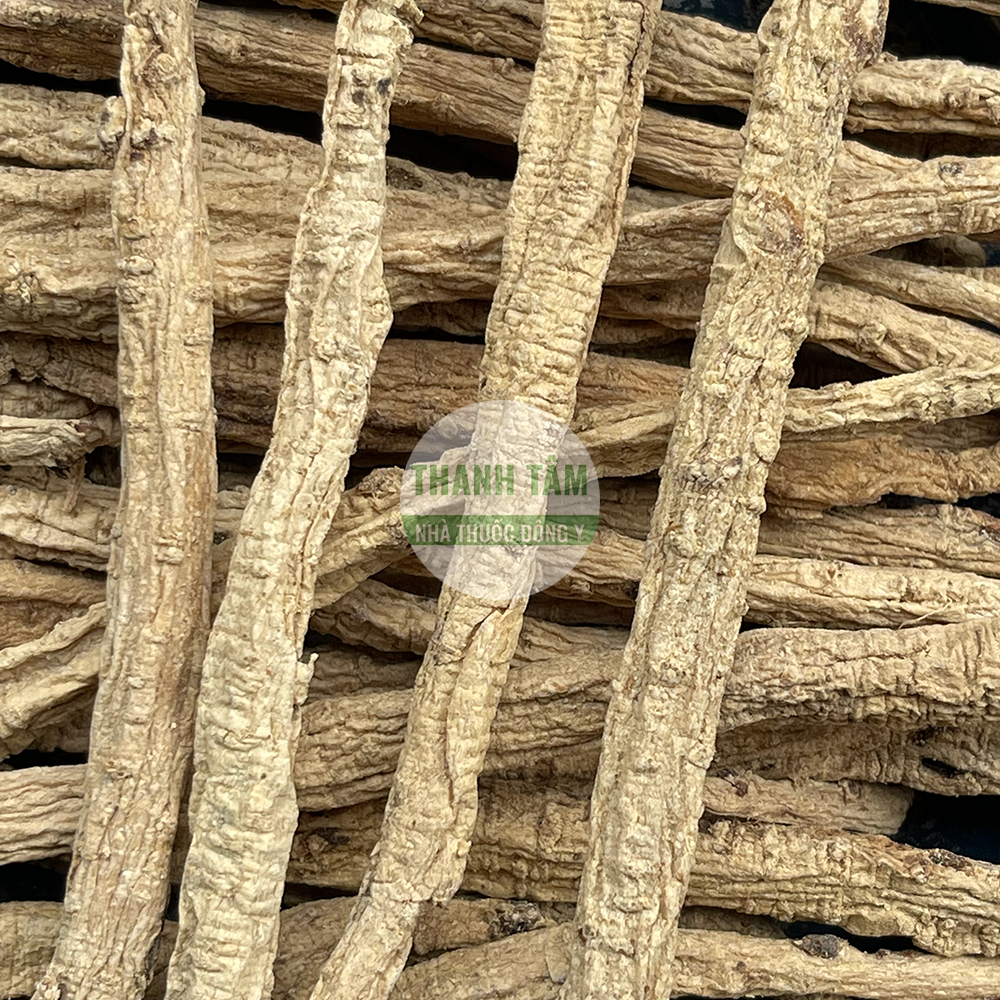
Codonopsis Root – a gentle qi-tonifying herb in TCM
- Scientific name / Pinyin / Chinese: Codonopsis pilosula / Dang Shen / 党参
- Natures, flavors and meridian entry: Sweet and Neutral – enters the Spleen and Lung meridians
- Main uses: Tonifies qi, strengthens the Spleen, supports digestion, helps recovery, supports natural resistance and nourishes fluids in suitable patterns
- Suggested dosage: 9–30 g per day, usually decocted or cooked in tonic soup
1. Origin and description
Codonopsis Root is the dried root of the Dang Shen plant in the Campanulaceae family. It is cultivated in mountainous areas of northern Vietnam and in traditional growing regions of China such as Gansu, Sichuan and Shaanxi. The root is long and cylindrical, with visible longitudinal wrinkles, a mild Sweet taste and a gentle aroma.
In TCM, Dang Shen is valued as a qi tonic. It is sometimes called “small ginseng” because it supports energy and recovery, but its action is softer and less stimulating than true ginseng. Good quality slices are dry, firm, lightly yellowish to beige, naturally Sweet and free from mold or unusual odor.
2. Related names of Codonopsis Root
Codonopsis Root is also known in Vietnamese as Lộ đảng, Bạch lộ, Phòng đảng sâm, Nam sâm, Mần cáy, Rầy cáy or Văn nguyên sâm. Its Pinyin name is Dang Shen, and its Chinese name is 党参/黨參.
There are many related Codonopsis species in the Campanulaceae family. Some are used locally as substitutes or regional tonic roots, but they may differ in quality, strength and traditional indications. For this reason, the buyer should not rely only on folk names. Clear identification, correct origin and proper drying are important when selecting this herb at Thanh Tam Herbs.
3. Natures, flavors and meridian entry
According to TCM, Codonopsis Root has a Sweet flavor and Neutral nature. The Sweet flavor helps nourish and tonify the body, while the Neutral nature makes it balanced and suitable for many qi deficiency patterns when used correctly.
Dang Shen enters the Spleen and Lung meridians. The Spleen is related to digestion, appetite and transformation of food into qi and blood. The Lung is related to breathing, voice strength and protective qi. Therefore, this herb is commonly used when weak digestion, tiredness, shortness of breath, low voice or poor recovery appears after illness.
4. Benefits and traditional actions of Codonopsis Root in TCM
Codonopsis Root belongs to the group of qi-tonifying herbs. In simple terms, it helps rebuild the body’s functional energy rather than giving a quick stimulant effect. Common traditional actions include:
- Tonifies qi and strengthens the Spleen: Supports poor appetite, weak digestion, fatigue, loose stools and low physical strength related to Spleen qi deficiency.
- Supports the Lung: Used in selected formulas for weak breath, low voice, tired cough or qi deficiency affecting the Lung.
- Helps recovery after illness: Often used in restorative soups or formulas for people who feel weak, tired or slow to regain strength.
- Supports natural resistance: Traditionally used to help the body rebuild vitality and maintain better resilience when the pattern is suitable.
- May support fluids: In some formulas, Dang Shen is used when qi deficiency is accompanied by thirst, dryness or reduced body fluids.
This herb should not be used as a direct replacement for medical treatment in anemia, chronic infection, severe fatigue or unexplained weight loss.
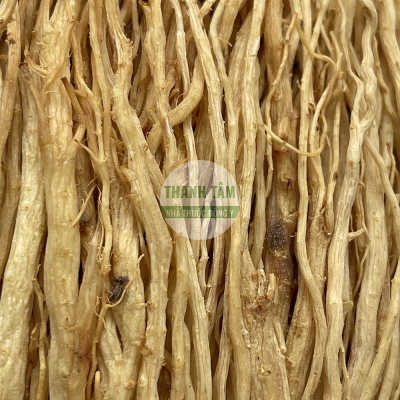
Dang Shen | Thanh Tam Herbs
5. How to use Dang Shen and suggested dosage
Codonopsis Root is usually used as a decoction or cooked in nourishing soup. A common reference dosage is 9–30 g of dried root per day, depending on the formula and body condition.
- Decoction: Use sliced dried root with water, often combined with Atractylodes, Poria, Licorice Root or Astragalus Root.
- Tonic soup: Dang Shen may be simmered with chicken, pork, Chinese Yam, Lotus Seed, Goji Berry or Red Jujube for recovery and nourishment.
- Powder form: Finely ground root may be used in selected preparations, but dosage should be guided by a Herb doctor.
When used long term, it is usually combined with other herbs to match the pattern, strengthen the Spleen and avoid one-sided tonification.
6. Indications and contraindications
Indications
In TCM, Codonopsis Root is commonly used for qi deficiency, tiredness, poor appetite, weak digestion, chronic loose stools, low voice, shortness of breath, weak constitution, recovery after illness and mild blood deficiency patterns when combined with suitable herbs.
Contraindications
People with strong excess heat, high fever, severe thirst, heavy constipation or obvious acute inflammation should avoid self-use. People with bloating, food stagnation or damp obstruction should use caution, because tonic herbs may worsen fullness when digestion is blocked. Pregnant women, young children and people with chronic disease should consult a qualified Herb doctor before use.
7. Reference herbal combinations with Đảng sâm
- New cough or early weakness pattern: Dang Shen + Coix Seed + Licorice Root + Chinese Yam + Ophiopogon Root + Apricot Kernel.
- Nourishing chicken soup: Dang Shen + Chinese Yam + Astragalus Root + Lotus Seed + Solomon’s Seal + Prepared Rehmannia + Goji Berry + Red Jujube.
- Sam Bo Luong-style tonic soup: Dang Shen + Lily Bulb + Solomon’s Seal + Euryale Seed + Longan Aril + Lotus Seed + Astragalus Root + Red Jujube.
- Qi recovery formula: Dang Shen + Astragalus Root + Atractylodes + Licorice Root, often used to support qi and strength.
- Spleen-supporting formula for loose stools: Dang Shen + Atractylodes + Poria, adjusted according to digestion and constitution.
These combinations are for reference only and should not replace a prescription from a Herb doctor.
8. Frequently asked questions
- Can Codonopsis Root be used every day?
It may be used in small amounts in suitable tonic soups, but daily long-term use should match the body pattern. - Can it replace ginseng?
It can replace ginseng in some mild qi-tonifying formulas, but it is gentler and not identical in strength or direction. - Does Dang Shen cause weight gain?
It does not directly cause weight gain, but by supporting digestion and appetite, it may help weak people eat and recover better.
👉 Thanh Tam Herbs – A trusted Herbal pharmacy for quality TCM herbs in Cho Lon
Nguồn tham khảo
- Dược điển Việt Nam.
- Lương y Hy Lãn Hoàng Văn Vinh, Cây thuốc vị thuốc Đông y, Nhà xuất bản Hà Nội, 2001.
- Tài liệu, hướng dẫn và thông tin chuyên ngành từ Bộ Y tế.
Rate this article
How useful was this article?
Tác giả bài viết