Curcuma Root | Traditional Herbal Medicines
🌿 Curcuma Root – A TCM Herb for Moving Qi, Relieving Constraint and Supporting Liver–Gallbladder Function
Curcuma Root, known as Yu Jin in TCM, is the dried tuberous root of several plants in the Curcuma genus. Traditionally, this herb is used to move Qi, relieve constraint, invigorate Blood, clear Heart heat, and support Liver and Gallbladder function.
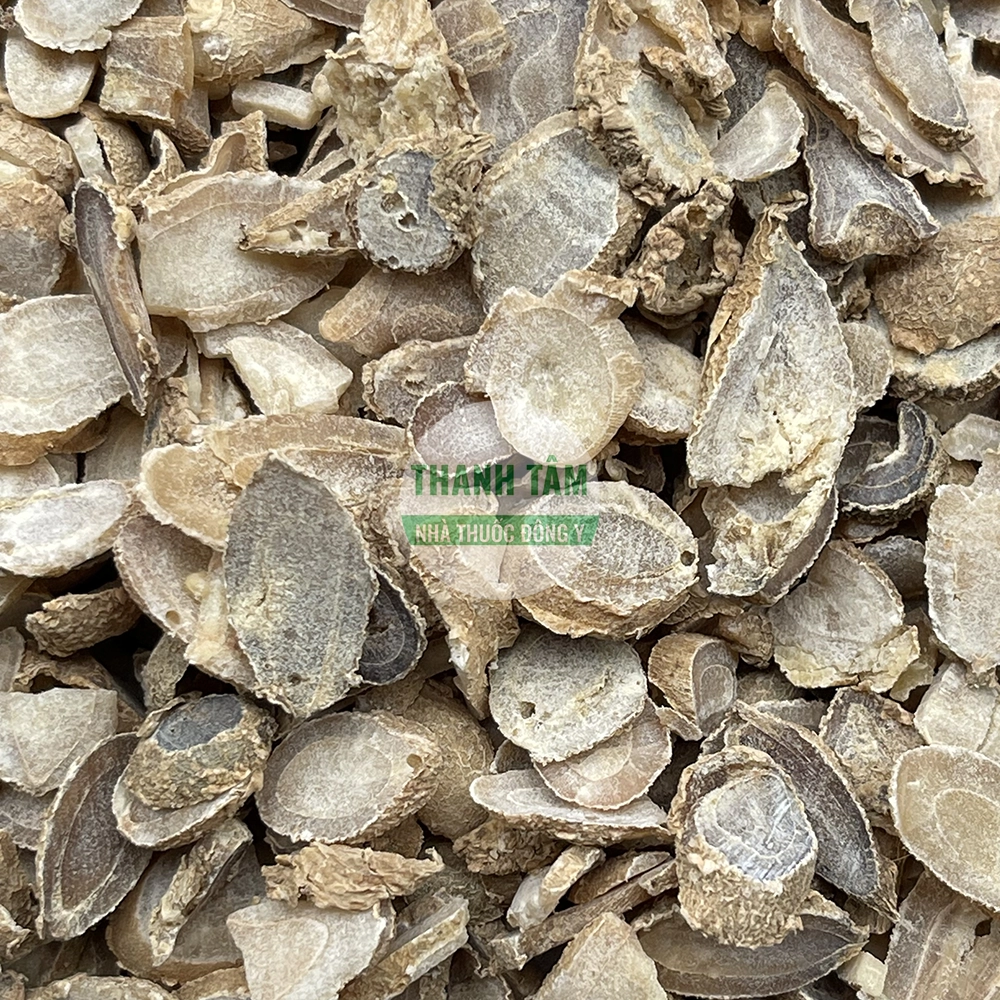
Dried turmeric tuberous root prepared for use as a TCM herb
- Scientific name / Pinyin / Chinese: Radix Curcumae / Yu Jin / 郁金.
- Flavors, Nature – Meridian: Pungent, Bitter, Cool – Heart, Liver, Gallbladder.
- Main benefits: Supports Qi movement, relieves constraint, invigorates Blood, regulates Qi and Blood, and supports Liver–Gallbladder function.
- Reference dosage: 3–10 g daily, commonly prepared as a decoction or combined with other herbs in TCM formulas.
1. Origin and description
Curcuma Root comes from the tuberous roots of several medicinal plants in the Curcuma genus, part of the Zingiberaceae family. The roots are harvested when mature, cleaned, sliced, and dried for storage and herbal use.
The dried material is usually grayish yellow to yellow-orange, with a mild aroma and a slightly pungent, bitter taste. Good-quality material should be clean, dry, naturally colored, free from mold or unusual odor, and sourced clearly.
In TCM, Yu Jin often appears in formulas for Qi stagnation, discomfort caused by poor circulation of Qi and Blood, emotional constraint, and patterns involving the Liver and Gallbladder.
2. Related names of Curcuma Root
Other names: Uất kim, Nghệ vàng rễ, Uất kim nghệ, curcuma root, turmeric tuberous root, Yu Jin root.
Scientific name: Radix Curcumae.
Pinyin name: Yu Jin.
Chinese name: 郁金.
Yu Jin refers to the tuberous root rather than the rhizome. This differs from Jiang Huang, which is prepared from the rhizome of yellow turmeric. Although both belong to the Curcuma group, they have different Nature, Meridian affinity, and traditional uses.
3. Flavors, Nature – Meridian
According to TCM theory, this herb is Pungent and Bitter in flavor, Cool in nature, and enters the Heart, Liver, and Gallbladder Meridians.
The Pungent flavor is associated with moving Qi and reducing stagnation. The Bitter flavor is linked with regulating and clearing, while its Cool nature distinguishes it from several other Curcuma herbs that are considered Warm.
Its connection with the Liver and Gallbladder reflects its traditional role in promoting smooth Qi movement. Its Heart Meridian affinity is associated with clearing constrained heat and easing restlessness in appropriate TCM patterns.
4. Benefits of Curcuma Root in TCM
- Supports Qi movement and relieves constraint: Traditionally used for chest or abdominal fullness, distension, and discomfort related to Qi stagnation.
- Supports Blood circulation: May be included in formulas intended to invigorate Blood and improve patterns of Qi and Blood stasis.
- Helps clear Heart heat: Traditionally used in selected formulas when restlessness, irritability, or internal constraint is present.
- Supports Liver and Gallbladder function: Commonly appears in TCM formulas designed to regulate Liver Qi and support bile-related functions.
- Supports relief of stagnation-related pain: May be combined with other herbs according to the underlying pattern.
These benefits describe traditional TCM applications and do not replace modern medical diagnosis or treatment. Persistent pain, jaundice, unexplained bleeding, or severe digestive symptoms should be evaluated by a healthcare professional.
5. How to use and dosage
A commonly referenced dosage is 3–10 g per day. The amount depends on the individual, intended use, preparation method, and other herbs in the formula.
- Decoction: Simmer the dried herb in water according to professional instructions.
- Herbal combinations: Often combined with herbs that move Qi, invigorate Blood, clear heat, or regulate the Liver and Gallbladder.
- Storage: Keep tightly sealed in a cool, dry place away from moisture and direct sunlight.
High doses or prolonged use without professional guidance are not recommended.
6. Indications and contraindications
Indications
In TCM, Yu Jin may be referenced for Qi stagnation, chest or abdominal fullness, pain related to poor circulation of Qi and Blood, restlessness, and selected patterns involving the Liver and Gallbladder.
Contraindications and precautions
Pregnant people should use caution because this herb is traditionally considered to move Qi and invigorate Blood. People with active bleeding, bleeding disorders, or those taking anticoagulant or antiplatelet medication should consult a healthcare professional or Herb doctor before use.
Do not use material that is damp, moldy, unusually discolored, has an abnormal odor, or comes from an unclear source.
7. Reference herbal combinations with Uất kim (Nghệ vàng rễ)
- Abdominal fullness and Qi stagnation: May be combined with Chen Pi, Xiang Fu, and Zhi Ke to support Qi movement.
- Pain due to poor circulation of Qi and Blood: May be paired with Dang Gui, Chuan Xiong, and Chi Shao to support Blood circulation.
- Restlessness or internal agitation: May be combined with Zhi Zi and Lian Qiao depending on the individual TCM pattern.
- Liver–Gallbladder support: May be used with Yin Chen and Zhi Zi in selected traditional formulas.
These combinations are for traditional reference only. A complete formula should be selected according to pattern differentiation, constitution, symptoms, and current health conditions.
8. Frequently asked questions
- Is Yu Jin the same as yellow turmeric used in cooking? Not exactly. Yu Jin refers to the medicinal tuberous root, while culinary turmeric usually refers to the rhizome.
- Is Yu Jin the same as Jiang Huang? No. They differ in the medicinal part used, Nature, Meridian affinity, and traditional functions.
- Can it be used every day? Long-term daily use without a clear purpose or professional guidance is not recommended.
- Can people with digestive problems use it? It depends on the cause and individual TCM pattern. Proper assessment is recommended before use.
- How can I choose good-quality material? Choose clean, dry pieces with a natural color, mild aroma, no visible mold, and clear information about origin.
9. Difference between Jiang Huang and Yu Jin
Jiang Huang and Yu Jin both come from plants in the Curcuma group, but they are distinct TCM herbs. Jiang Huang uses the rhizome and is Pungent, Bitter, and Warm, entering the Liver and Spleen Meridians. Its traditional actions focus on moving Qi, invigorating Blood, dispelling stasis, and relieving pain.
Yu Jin uses the tuberous root and is Pungent, Bitter, and Cool, entering the Heart, Liver, and Gallbladder Meridians. It is traditionally used more for relieving constraint, clearing Heart heat, supporting the Liver and Gallbladder, regulating Qi, and invigorating Blood. Because their properties differ, they should not be substituted without professional guidance.
👉 Visit Thanh Tam Herbs – a trusted Herbal pharmacy for quality herbs and TCM guidance
Nguồn tham khảo
- Dược điển Việt Nam.
- Lương y Hy Lãn Hoàng Văn Vinh, Cây thuốc vị thuốc Đông y, Nhà xuất bản Hà Nội, 2001.
- Tài liệu, hướng dẫn và thông tin chuyên ngành từ Bộ Y tế.
Rate this article
How useful was this article?
Tác giả bài viết