Prepared Rehmannia | Traditional Herbal Medicines
🌿 Prepared Rehmannia – A key TCM herb for nourishing blood, yin, and Kidney strength
Prepared Rehmannia, known in Vietnamese as Thục địa, is one of the important tonic herbs in TCM. It is valued for nourishing blood, enriching yin, and supporting Kidney essence. This herb often appears in classic formulas such as Liu Wei Di Huang Wan and Ba Wei Gui Fu Wan, two well-known Kidney tonic formulas.
Prepared Rehmannia – TCM herb for nourishing blood and yin
- Scientific name / Pinyin / Chinese: Radix Rehmanniae glutinosae praeparata / Shu Di Huang / 熟地黃
- Flavors, Nature – Meridian: Sweet, Warm Nature – enters the Liver and Kidney Meridians
- Main benefits: Helps nourish blood, support Kidney health, improve sleep in deficiency patterns, reduce fatigue, and support healthy aging.
- Reference dosage: 10–30 g/day, commonly used in decoction, pill, or powder form.
1. Origin and description
Prepared Rehmannia is the processed root tuber of the Di Huang plant (Rehmannia glutinosa), traditionally listed under the figwort family (Scrophulariaceae). The plant is cultivated in northern Vietnam and China.
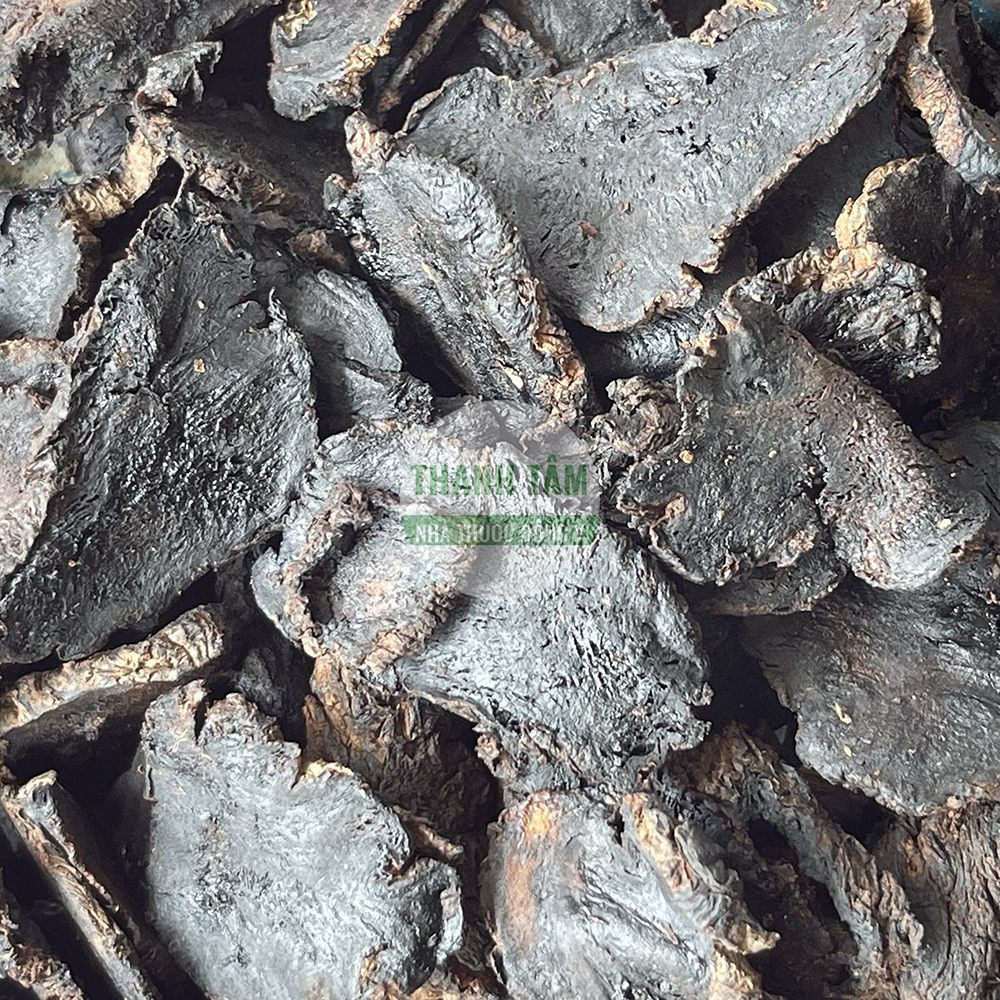
After harvesting, the fresh root is washed, steamed or cooked, then dried several times until it becomes dark black, soft, sticky, and aromatic with a naturally Sweet smell. This processing makes the herb more suitable for nourishing blood, yin, and Kidney essence.
Compared with Sheng Di Huang, or raw Rehmannia, this prepared form is less focused on clearing heat and cooling the blood. Instead, it is used when the body is weak, blood is deficient, yin is depleted, or the Kidney needs deeper support.
2. Related names of Prepared Rehmannia
Other names: Địa hoàng chế, Thục địa hoàng, Thục địa tử, Sục tì.
Scientific herbal name: Radix Rehmanniae glutinosae praeparata. Pinyin name: Shu Di Huang. Chinese name: 熟地黃.
These names may vary by region or supplier. When buying the herb, distinguish the processed dark root from fresh or raw Rehmannia, because their TCM actions differ.
3. Flavors, Nature – Meridian
In TCM, Prepared Rehmannia has a Sweet flavor and a Warm Nature. The Sweet flavor helps nourish, build blood, and soften dryness. Its Warm Nature supports deficiency without being sharply heating.
The herb enters the Liver and Kidney Meridians. The Liver stores blood and relates to the eyes, menstruation, tendons, and circulation. The Kidney stores essence and relates to marrow, bones, lower back strength, reproduction, and aging.
For this reason, the herb is a core ingredient for blood deficiency, yin deficiency, Kidney weakness, dizziness, early graying hair, and fatigue after illness.
4. Benefits of Prepared Rehmannia in TCM
Prepared Rehmannia is best known for nourishing blood and yin. In simple words, it supports people who look pale, feel weak, become dizzy easily, sleep poorly, or feel depleted after illness, childbirth, or overwork.
It also strengthens the Kidney and enriches essence. In TCM, this may relate to low back weakness, reduced vitality, seminal emission, poor memory, tinnitus, and premature aging. For women, it is used for irregular menstruation, deficiency-type bleeding, and postpartum blood weakness.
Because it is rich, Sweet, and sticky, the herb is nourishing but can feel heavy for weak digestion. It is often paired with qi-moving or Spleen-supporting herbs.
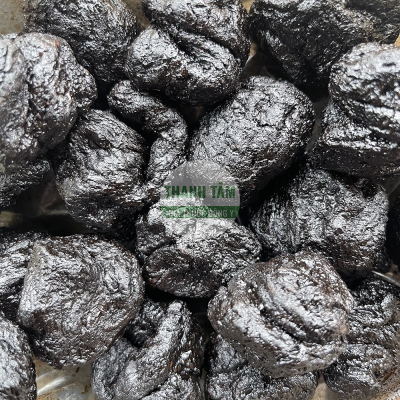
Prepared Rehmannia root | Thanh Tam Herbs
5. Processing and usage
Prepared Rehmannia is made by cooking and repeatedly drying Di Huang root to reduce the Cold quality of the raw root and enhance its yin and blood nourishing action.
- Decoction: Often used with Dang Gui, Bai Shao, and Chuan Xiong in Si Wu Tang, a classic blood-nourishing formula for menstrual support.
- Pill or powder form: Used in formulas such as Liu Wei Di Huang Wan or Ba Wei Gui Fu Wan for Kidney deficiency patterns.
- Food therapy: Cooked with chicken or tonic soup ingredients to support recovery, vitality, and general nourishment.
A common reference dosage is 10–30 g/day, depending on the formula and body constitution. People who easily feel bloated should start lower and use it with Herb doctor guidance.
6. Indications and contraindications
Indications
This herb is traditionally used for blood deficiency with pale complexion, dizziness, palpitations, and insomnia; yin deficiency with internal heat, dry throat, night sweating, and weakness; Kidney deficiency with low back soreness, poor memory, seminal emission, tinnitus, and early graying hair. It is also used for menstrual irregularity and postpartum blood deficiency.
Contraindications
People with poor digestion, abdominal fullness, poor appetite, phlegm-dampness, or Spleen-Stomach deficiency Cold should be cautious because the herb is Sweet and sticky. It is not suitable during common cold, fever, or acute infection. Use it with Herb doctor guidance.
7. Reference formulas containing Sục tì
- Nourishing chicken soup: Hoài sơn, Đảng sâm, Bắc kỳ, Hạt sen, Ngọc trúc, Thục địa, Quy đầu, Xuyên khung, Bạch chỉ, Đỗ trọng, Kỷ tử, Đại táo – used for pregnancy, postpartum recovery, older adults, and poor appetite.
- Sâm bổ lượng soup: Chinese Yam, Đảng sâm, Bách hợp, Ngọc trúc, Khiếm thực, Nhãn nhục, Câu kỷ tử, Liên nhục, Hoàng kỳ, Táo đỏ – supports recovery, sleep, and mental clarity.
- Liu Wei Di Huang Wan: Shu Di Huang, Shan Zhu Yu, Shan Yao, Fu Ling, Ze Xie, and Mu Dan Pi – used for Kidney yin deficiency.
- Ba Wei Gui Fu Wan: Liu Wei Di Huang Wan with Rou Gui and Fu Zi – used for warming Kidney yang in the right pattern.
- Si Wu Tang: Shu Di Huang, Dang Gui, Bai Shao, and Chuan Xiong – a classic blood-nourishing formula.
8. Modern applications and research
Modern studies often discuss compounds such as catalpol, rehmanniosides, and mannitol in Rehmannia root. These are studied for blood support, antioxidant activity, aging support, blood sugar regulation, blood pressure balance, and liver protection. However, the herb should not replace medical treatment.
9. Frequently asked questions
- How is it different from Sheng Di Huang?
Sheng Di Huang is Cold and more focused on clearing heat and cooling blood. Prepared Rehmannia is warmer and more focused on nourishing blood and yin. - Can it be used long term?
It may be used for longer periods in moderate dosage, such as 10–15 g/day, but it is often combined with Chen Pi or Sha Ren to reduce heaviness. - What if it causes bloating?
Reduce the dosage or combine it with ginger, Hoài sơn, or digestion-supporting herbs under professional guidance.
👉 Thanh Tam Herbs – Trusted Herbal pharmacy for authentic TCM herbs
Nguồn tham khảo
- Dược điển Việt Nam.
- Lương y Hy Lãn Hoàng Văn Vinh, Cây thuốc vị thuốc Đông y, Nhà xuất bản Hà Nội, 2001.
- Tài liệu, hướng dẫn và thông tin chuyên ngành từ Bộ Y tế.
Rate this article
How useful was this article?
Tác giả bài viết