Licorice root | Traditional Herbal Medicines
🌿 Licorice root – A familiar TCM herb for harmonizing formulas, supporting Qi, and soothing the throat
Licorice root, known as Gan Cao, is one of the most frequently used ingredients in TCM. It is traditionally valued for tonifying Qi, soothing the Lung and throat, easing cough, moderating spasms, and harmonizing the actions of other herbs. Despite its Sweet taste and broad use, it can cause important adverse effects when taken in large amounts or for extended periods.
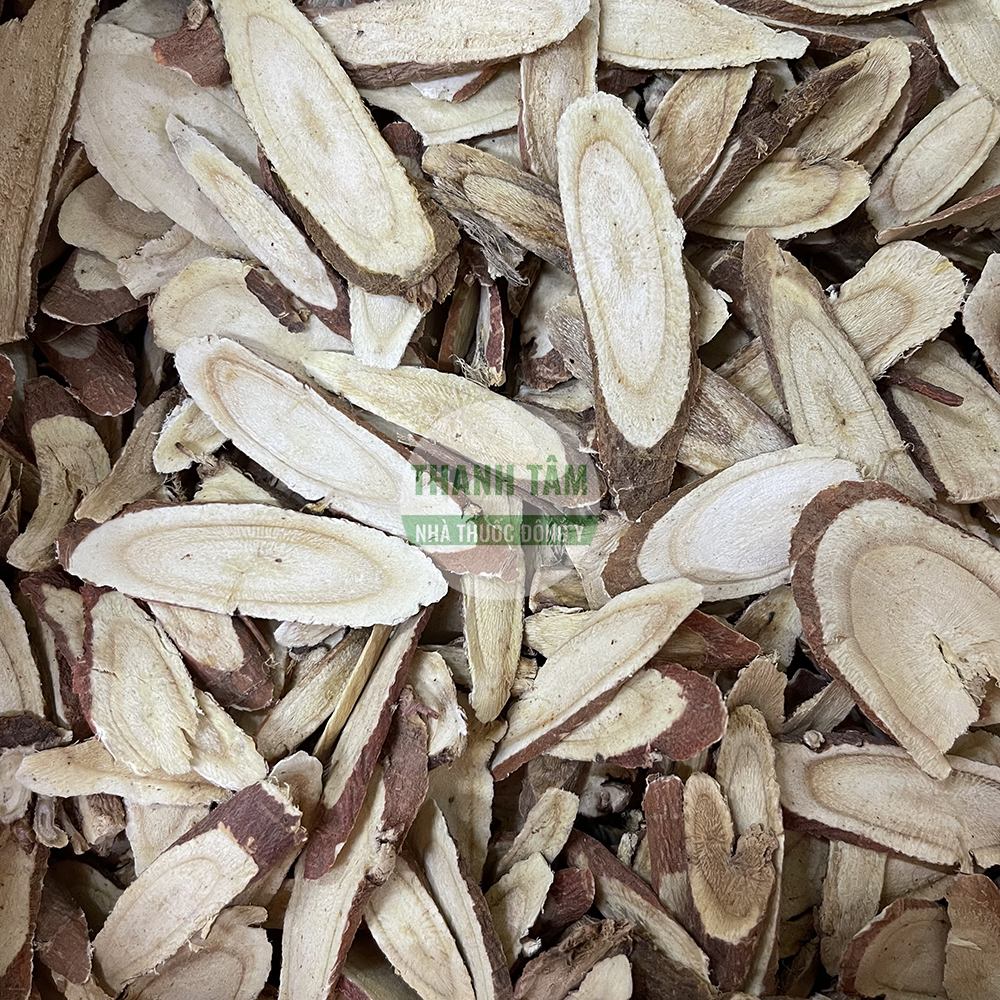
Licorice root – a harmonizing herb in TCM
- Scientific name / Pinyin / Chinese: Glycyrrhiza uralensis / Gan Cao / 甘草
- Flavors, Nature – Meridian: Sweet, Neutral – Heart, Lung, Spleen, and Stomach Meridians
- Main benefits: Supports Qi and digestion, soothes the throat and cough, moderates spasms, and harmonizes other herbs in TCM formulas.
- Reference dosage: Commonly 2–10 g of dried root per day in a professionally designed formula; the appropriate amount depends on preparation, duration, medicines, and health conditions.
1. Origin and description
Licorice root is the dried root and underground stem of Glycyrrhiza uralensis Fisch. ex DC., a perennial plant in the legume family (Fabaceae). The species is native to temperate Eurasia and cultivated for medicinal use.
The plant grows about 50–100 cm tall, with pinnate leaves, pale purple flowers, and small pods. Its medicinal roots are long, cylindrical, and yellow-brown outside.
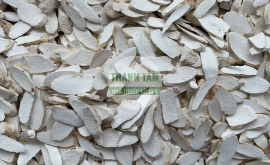
Dried slices are fibrous, aromatic, and noticeably Sweet. Good material should be clean, dry, evenly colored, mold-free, and correctly identified.
2. Related names of Licorice root
The name Glycyrrhiza comes from Greek words meaning “sweet root,” reflecting the plant’s characteristic taste.
Other names: Chinese licorice, Chinese liquorice, Gan Cao, Cam thảo Bắc, Sinh cam thảo, Quốc lão, and Zhi Gan Cao when honey-fried.
Scientific name: Glycyrrhiza uralensis Fisch. ex DC.
Pinyin name: Gan Cao.
Chinese name: 甘草.
Raw Gan Cao and honey-fried Zhi Gan Cao serve different purposes. Honey-fried material is used more in tonifying formulas, while raw material is associated with soothing and harmonizing.
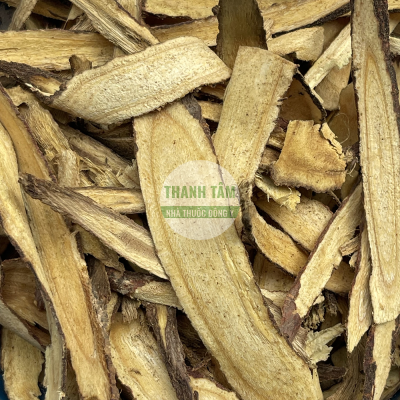
Quality licorice root | Thanh Tam Herbs
3. Flavors, Nature – Meridian
In TCM, Gan Cao has a Sweet Flavor and a Neutral Nature. It enters the Heart, Lung, Spleen, and Stomach Meridians.
The Sweet Flavor tonifies, moderates discomfort, and harmonizes other ingredients. Its Neutral Nature suits both warming and cooling formulas.
Through the Spleen and Stomach Meridians, it supports digestive Qi. Through the Lung Meridian, it is used to soothe cough, phlegm, and throat irritation. Its Heart association appears in formulas for palpitations or irregular pulse patterns, but such symptoms require medical evaluation.
4. Benefits of Licorice root in TCM
Gan Cao contains glycyrrhizin, flavonoids, polysaccharides, and other plant compounds. Its traditional actions include:
- Supports Spleen Qi: Used for fatigue, reduced appetite, or weakness when these symptoms match a Qi-deficiency pattern.
- Soothes cough and throat irritation: Included in formulas for dry cough, productive cough, hoarseness, or a sore throat.
- Moderates spasms and discomfort: Traditionally combined with other herbs for abdominal or muscular spasms.
- Harmonizes herbal formulas: Helps moderate harsh flavors and balance the actions of other ingredients.
- Supports digestive comfort: May appear in formulas for epigastric discomfort or digestive weakness.
Research has investigated anti-inflammatory and soothing effects, but evidence varies. The herb does not replace antibiotics, ulcer treatment, or prescribed therapy.
5. How to use and dosage
Licorice root is usually used as one ingredient in a formula rather than as a long-term daily drink.
- Decoction: A common reference range is 2–10 g per day, adjusted by a Herb doctor according to the complete formula.
- Mild infusion: A small amount may be steeped for occasional throat comfort, but repeated daily use is not appropriate for everyone.
- Lozenge-style use: A thin clean slice may be held briefly in the mouth for mild throat dryness. It should not delay assessment of persistent pain or difficulty swallowing.
- Food use: Small amounts may be used as flavoring, but medicinal root should not be treated as an unrestricted sweetener.
Do not increase the dose or use it continuously for weeks without professional supervision. Glycyrrhizin exposure varies among roots, extracts, powders, teas, and processed products.
6. Indications and contraindications
Indications
In TCM, Gan Cao may be used for cough, sore throat, hoarseness, phlegm, Spleen Qi deficiency, reduced appetite, fatigue, abdominal spasms, or to harmonize a multi-herb prescription.
Contraindications
Large amounts or prolonged use can cause sodium and water retention, increased blood pressure, low potassium, weakness, edema, and abnormal heart rhythm. People with hypertension, heart disease, kidney disease, liver disease, edema, or low potassium should avoid self-treatment.
Pregnant or breastfeeding people should seek medical advice. Licorice may interact with diuretics, corticosteroids, digoxin, blood-pressure medicines, anticoagulants, and other drugs affecting potassium or heart rhythm.
Seek urgent care for severe weakness, swelling, shortness of breath, chest discomfort, fainting, palpitations, or an irregular heartbeat.
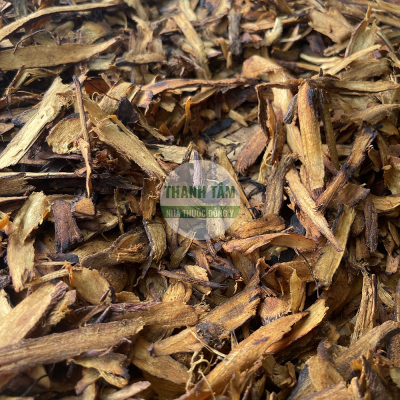
Honey-fried licorice root | Thanh Tam Herbs
7. Reference herbal combinations with Cam thảo
- Cough and sore throat formula: Cam thảo may be paired with platycodon root and mint under professional guidance.
- Spleen Qi support: It may accompany ginseng, astragalus root, atractylodes rhizome, Chinese jujube, and Chinese angelica root.
- Post-illness recovery: Honey-fried Cam thảo may be combined with ginseng and fresh ginger in an individualized formula.
- Warming combination: Cam thảo with cinnamon twig may be used in selected cold-pattern formulas.
- Memory-support formula in classical practice: It may appear with ginseng, acorus rhizome, alpinia fruit, longan, and polygala root.
These combinations are references, not self-prescribing instructions. Formula choice depends on pattern, medicines, and cardiovascular or kidney risk.
8. Frequently asked questions
- Can Licorice root be used every day?
Routine daily use is not recommended without professional review, particularly for people with hypertension, heart disease, kidney disease, or medication use. - What is the difference between raw and honey-fried licorice?
Raw Gan Cao is commonly used for soothing and harmonizing, while honey-fried Zhi Gan Cao is more strongly associated with tonifying Qi in TCM. - Can it increase blood pressure?
Yes. Glycyrrhizin can cause fluid retention, potassium loss, and increased blood pressure, especially with larger amounts or prolonged use. - Is deglycyrrhizinated licorice the same?
No. Deglycyrrhizinated licorice, or DGL, has much of the glycyrrhizin removed and should not be assumed to have the same uses or risks as whole root. - When should use be stopped?
Stop and seek advice if swelling, muscle weakness, headache, increased blood pressure, palpitations, or another unusual symptom occurs.
👉 Thanh Tam Herbs – A trusted Herbal pharmacy for carefully selected medicinal herbs
Nguồn tham khảo
- Dược điển Việt Nam.
- Lương y Hy Lãn Hoàng Văn Vinh, Cây thuốc vị thuốc Đông y, Nhà xuất bản Hà Nội, 2001.
- Tài liệu, hướng dẫn và thông tin chuyên ngành từ Bộ Y tế.
Rate this article
How useful was this article?
Tác giả bài viết