Mulberry Twig | Traditional Herbal Medicines
🌿 Mulberry Twig – A TCM Herb for Dispelling Wind-Dampness, Supporting the Meridians, and Easing Joint Discomfort
Mulberry Twig, known as Tang chi in Vietnamese, is the dried young branch of the white mulberry tree. In TCM, it is traditionally used to dispel Wind-Dampness, support smooth movement through the Meridians, and promote comfortable joint mobility. It is commonly referenced for aching shoulders, arms, limbs, numbness, stiffness, and joint discomfort associated with Wind-Damp patterns.
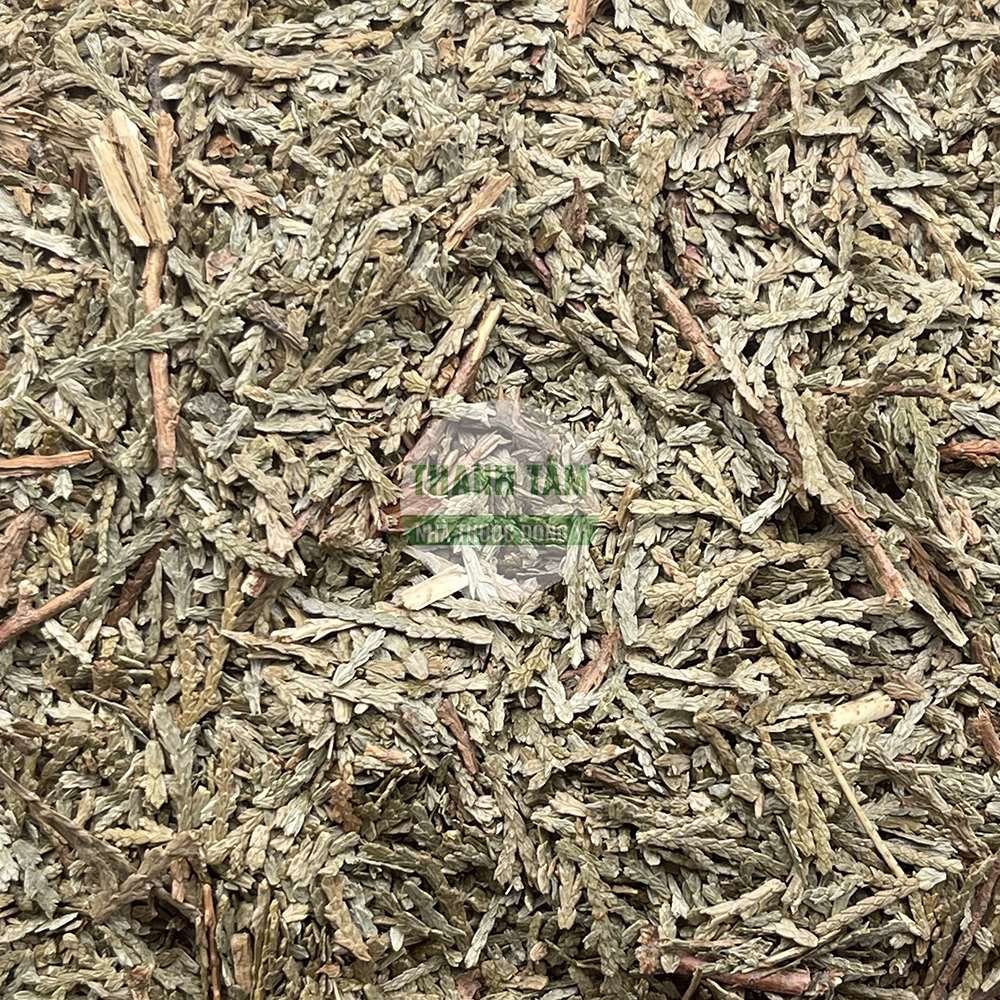
- Scientific name / Pinyin / Chinese: Ramulus Mori albae / Sang Zhi / 桑枝.
- Flavors, Nature – Meridian: Slightly Bitter, Neutral – associated mainly with the Liver Meridian.
- Main benefits: Traditionally used to dispel Wind-Dampness, support joint movement, ease stiffness and aching, and relieve heaviness or numbness in the shoulders and limbs according to TCM theory.
- Reference dosage: Commonly 9–15 g daily, mainly prepared as a decoction.
1. Origin and description
Mulberry Twig is the dried young branch of the white mulberry tree, Morus alba L., which belongs to the Moraceae family.
According to traditional Chinese herbal standards, the branches are generally collected from late spring to early summer. The leaves are removed, and the branches are dried before being cut into slices for medicinal use.
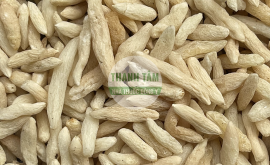
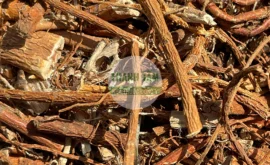
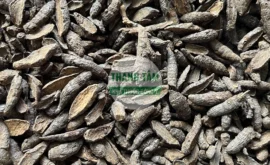
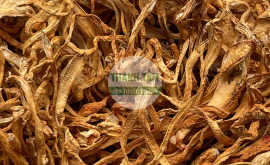
The slices are usually nearly round, with a yellowish-brown outer bark. The inner wood is pale yellow to yellowish white and may show fine rays extending outward from the center.
The herb has a mild odor and a light or slightly bitter taste. Good-quality material should be firm and dry, with a natural color, no mold, no insect damage, and no unusual smell.
2. Related names of Mulberry Twig
Other names: Tang chi, Cành dâu, Dâu chi, Tang thụ chi, White Mulberry Twig, Mulberry Branch.
Scientific name: Ramulus Mori albae; botanical source: Morus alba L.
Pinyin name: Sang Zhi.
Chinese name: 桑枝.
This herb should not be confused with Tang diệp, the mulberry leaf; Tang bạch bì, the mulberry root bark; or Tang thầm, the ripe mulberry fruit. Although they come from the same plant, each part has a different traditional role and application in TCM.
3. Flavors, Nature – Meridian
In TCM, Mulberry Twig is described as having a slightly Bitter flavor and a Neutral nature. It is traditionally associated mainly with the Liver Meridian.
The Liver Meridian is traditionally associated with the tendons and smooth movement. For this reason, the herb is commonly included in formulas for aching, numbness, stiffness, heaviness, or restricted movement caused by Wind-Dampness affecting the channels and joints.
4. Benefits of Mulberry Twig in TCM
Traditional uses include:
- Dispelling Wind-Dampness: Commonly used when Wind-Damp patterns contribute to aching, heaviness, numbness, or discomfort in the joints and limbs.
- Supporting joint mobility: Traditionally used to help reduce stiffness and support easier movement of affected joints.
- Supporting the shoulders and arms: Frequently referenced for soreness, stiffness, or discomfort affecting the shoulders, arms, and upper-limb joints.
- Supporting Meridian flow: It may be combined with herbs that dispel Wind, resolve Dampness, or invigorate circulation when blocked channels contribute to pain or numbness.
- Used for Bi syndrome: In TCM, Bi syndrome describes pain, heaviness, numbness, stiffness, or limited movement associated with Wind, Cold, Dampness, and related factors.
These traditional uses should not be understood as a replacement for diagnosis or treatment of arthritis, gout, joint degeneration, nerve disorders, or injuries.
5. How to use and dosage
A commonly referenced dosage is 9–15 g of dried herb per day. The most common preparation method is decoction, either used alone or combined with other herbs according to the individual TCM pattern.
The dried branches are usually cut into slices before boiling. Dosage and duration should not be increased without professional guidance.
For concentrated extracts, granules, capsules, tablets, or multi-herb products, follow the dosage stated on the label because concentrated preparations are not equivalent gram-for-gram to raw herbal material.
6. Indications and contraindications
Indications
In TCM practice, Mulberry Twig is mainly referenced for Wind-Damp Bi patterns with symptoms such as aching joints, numbness, limb heaviness, shoulder and arm discomfort, stiffness, or reduced ease of movement.
Contraindications and precautions
This herb should not be used as a substitute for prescribed treatment for arthritis, gout, osteoarthritis, injuries, or neurological conditions.
Pregnant or breastfeeding individuals, children, people with chronic conditions, and anyone taking long-term medication should seek professional advice before use.
Seek medical evaluation if a joint becomes red, hot, severely swollen, or intensely painful. Fever, weakness, paralysis, loss of sensation, major injury, or rapidly worsening symptoms also require prompt assessment.
7. Reference herbal combinations with Cành dâu
- Wind-Damp joint discomfort: It may be combined with Du Huo, Wei Ling Xian, Qin Jiao, or other Wind-Damp-dispelling herbs according to the pattern.
- Shoulder and arm pain or numbness: It may be combined with Qiang Huo, Gui Zhi, or Ji Xue Teng when appropriate.
- Joint discomfort with heaviness: Combinations may include Yi Yi Ren, Cang Zhu, or other Dampness-resolving herbs based on individual presentation.
- Chronic joint discomfort with weakness: It may be combined with Du Zhong or Xu Duan when professionally indicated.
These combinations are for traditional reference only. Herbal formulas should be adjusted according to the location and nature of discomfort, Cold or Heat signs, constitution, medications, and existing conditions.
8. Frequently asked questions
- Is Mulberry Twig the same as mulberry leaf? No. Both come from Morus alba, but the twig and leaf are separate herbal materials with different traditional functions and applications.
- Can it treat osteoarthritis? It should not be considered a specific treatment for osteoarthritis. TCM may include it in formulas after assessing the individual pattern and symptoms.
- Can it be taken every day? Long-term self-use is not recommended. Recurrent joint pain, stiffness, or numbness can have many causes and should be evaluated when symptoms persist.
- Can people with gout use it? Gout requires appropriate uric acid management and medical treatment. Herbal products should not replace prescribed gout therapy.
- How can good-quality material be selected? Choose firm, dry branch slices with a natural yellowish-brown color, visible inner wood, no mold or insect damage, and a clearly identified source from a reliable Herbal pharmacy.
👉 Visit Thanh Tam Herbs – a trusted Herbal pharmacy for quality herbs and practical TCM guidance
Nguồn tham khảo
- Dược điển Việt Nam.
- Lương y Hy Lãn Hoàng Văn Vinh, Cây thuốc vị thuốc Đông y, Nhà xuất bản Hà Nội, 2001.
- Tài liệu, hướng dẫn và thông tin chuyên ngành từ Bộ Y tế.
Rate this article
How useful was this article?
Tác giả bài viết