Dried Ginger | Traditional Herbal Medicines
🌿 Dried Ginger – A Warming TCM Herb for Digestion and Internal Cold
Dried ginger, known as Gan Jiang in TCM, is the dried rhizome of the ginger plant. It is traditionally valued for its pungent, hot nature and is commonly used to warm the body from within, support digestion, ease discomfort associated with cold, and help regulate the Stomach and Spleen.
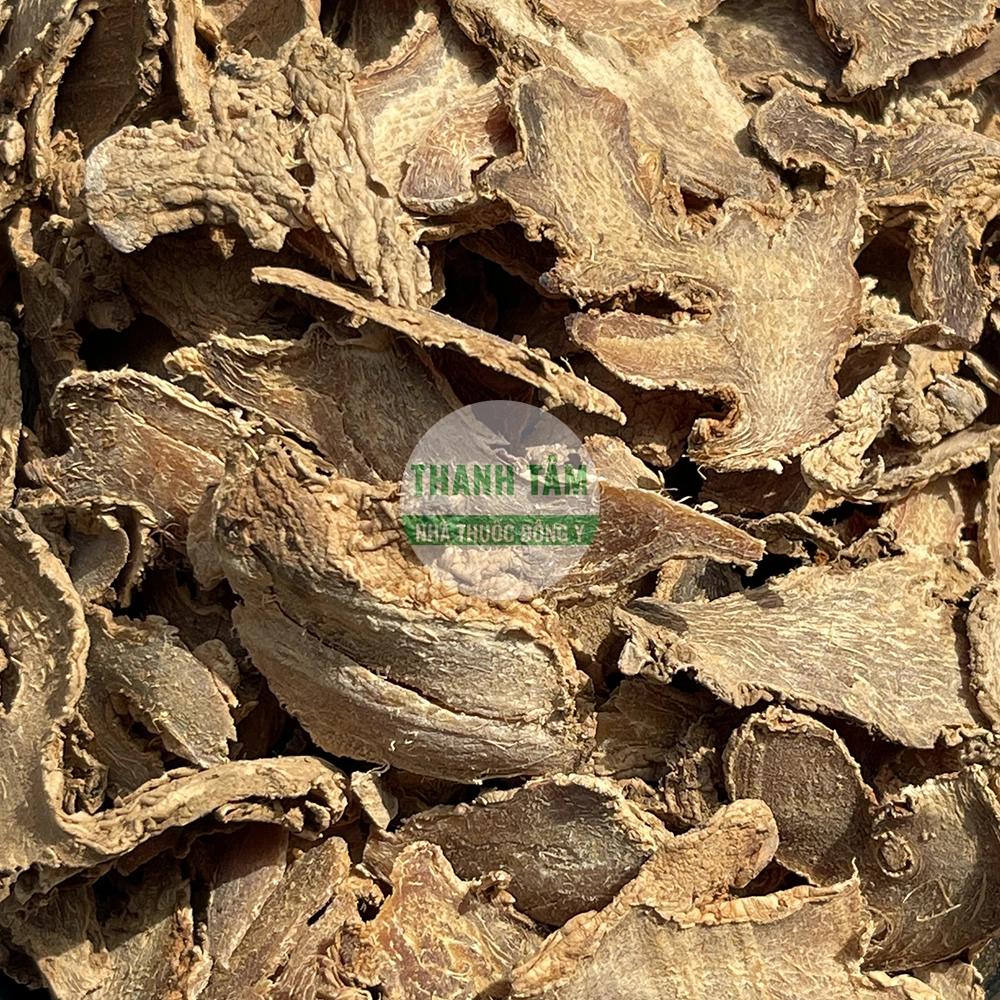
Dried ginger herb commonly used in TCM formulas
- Scientific name / Pinyin / Chinese: Rhizoma Zingiberis / Gan Jiang / 干姜.
- Flavors, Nature – Meridian: Pungent, Hot – Heart, Lung, Spleen, Stomach.
- Main benefits: Warms the body, supports digestion, and may help with cold abdominal discomfort, bloating, nausea, and thin phlegm associated with cold patterns.
- Reference dosage: 3–10 g daily, commonly prepared as a decoction or combined with other herbs in TCM formulas.
1. Origin and description
Dried ginger comes from Zingiber officinale Roscoe, a perennial herb in the Zingiberaceae family. Ginger is widely cultivated throughout Asia, including Vietnam, and has long been used both as a culinary spice and as a medicinal herb.
The medicinal part is the mature rhizome. After harvesting, the rhizomes are cleaned, sliced, then sun-dried or dehydrated until the moisture content is reduced. The finished herb is usually yellowish brown, slightly wrinkled, strongly aromatic, and distinctly pungent.
Compared with fresh ginger, known in TCM as Sheng Jiang, the dried form is considered more strongly warming and is generally selected when treatment principles focus on internal cold. Good-quality material should be thoroughly dry, naturally fragrant, free from mold, unusual discoloration, or unpleasant odor, and obtained from a traceable source.
2. Related names of Dried Ginger
Other names: Can khương, Gừng khô, Khương khô, dried ginger, dried ginger rhizome.
Scientific name: Rhizoma Zingiberis.
Pinyin name: Gan Jiang.
Chinese name: 干姜.
Different forms of ginger have different traditional uses depending on processing. Fresh ginger, or Sheng Jiang, is commonly used to support the exterior and relieve mild cold-related discomfort. Gan Jiang is the dried form and is more often selected when a formula is intended to warm the interior.
3. Flavors, Nature – Meridian
In TCM, this herb is described as Pungent in flavor and Hot in nature. It enters the Heart, Lung, Spleen, and Stomach Meridians.
Its Hot nature is traditionally associated with warming functions. For this reason, it may be considered in patterns involving cold sensations, cold abdominal discomfort, cold hands and feet, or reduced digestive comfort in colder weather.
Its relationship with the Spleen and Stomach Meridians explains why it frequently appears in TCM formulas designed to warm the digestive system, support normal digestive function, and reduce fullness, bloating, nausea, or discomfort attributed to internal cold.
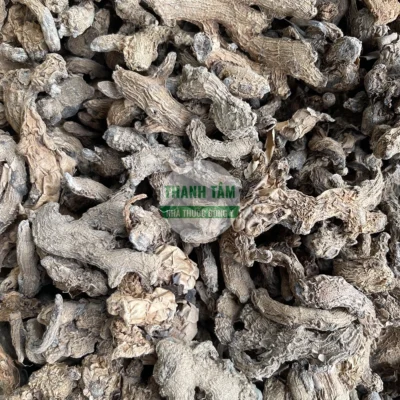
Dried Ginger Rhizome | Thanh Tam Herbs
4. Benefits of Dried Ginger in TCM
- Warms the Spleen and Stomach: Traditionally used to support people experiencing cold abdominal sensations, cold-related stomach discomfort, bloating, and poor digestion.
- Supports relief of nausea: May be included in formulas intended to harmonize the Stomach and reduce nausea or vomiting associated with cold patterns.
- Helps transform cold phlegm: Traditionally used in selected formulas for cough with thin, watery phlegm when signs of cold are present.
- Supports the body during cold exposure: Its warming character may promote a greater sense of internal warmth and comfort.
- Works well in herbal combinations: Herb doctors may combine it with other TCM herbs to strengthen, balance, or redirect a formula according to the individual pattern.
These benefits describe traditional TCM applications and should not be interpreted as claims that the herb can diagnose, cure, or replace treatment for a medical condition. Persistent or severe symptoms should be assessed by a qualified healthcare professional.
5. How to use and dosage
A commonly referenced dosage is 3–10 g per day. The actual amount may vary according to the individual, the purpose of use, preparation method, and other ingredients in the formula.
- Decoction: Simmer the dried herb in water according to professional instructions.
- Herbal formula: Combine with other TCM ingredients to modify the overall warming, digestive, or phlegm-transforming action.
- Storage: Keep tightly sealed in a cool, dry place away from moisture, heat, and direct sunlight.
Because this herb is strongly warming, using large amounts for a prolonged period without professional guidance is not recommended.
6. Indications and contraindications
Indications
In TCM practice, Gan Jiang may be referenced for patterns involving cold abdominal discomfort, digestive weakness associated with cold, vomiting or nausea due to cold, cough with thin watery phlegm, and general signs of internal cold or deficiency-cold.
Contraindications and precautions
People with signs commonly associated with internal heat, such as pronounced dry mouth, constipation, high fever, or a tendency toward heat symptoms, should use caution. Pregnant people, young children, individuals with chronic medical conditions, and anyone taking long-term medication should seek professional advice before use.
Do not use herbal material that is moldy, damp, unusually discolored, has an abnormal odor, or comes from an unclear source.
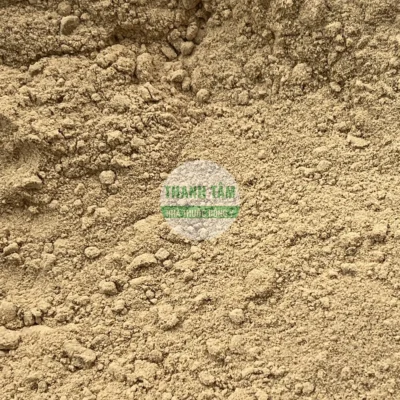
Dried Ginger Powder | Thanh Tam Herbs
7. Reference herbal combinations with Can khương (Gừng khô)
- Cold abdominal discomfort: May be combined with Bai Zhu, Dang Shen, and Gan Cao in formulas intended to warm the Spleen and support digestion.
- Nausea or vomiting due to cold: May be paired with Ban Xia, Ren Shen, and Sheng Jiang in formulas that harmonize the Stomach.
- Cough with thin phlegm: May be used with Ban Xia, Xi Xin, and Wu Wei Zi to support warming and phlegm-transforming actions.
- Cold-type diarrhea: May be combined with Bai Zhu, Fu Ling, and Mu Xiang to support the Spleen and digestive function.
These combinations are provided for traditional reference only. A complete TCM formula should be selected according to pattern differentiation rather than a single symptom.
8. Frequently asked questions
- Is Dried ginger the same as fresh ginger? No. Can khương is ginger that has been processed and dried. In TCM, it is considered more strongly warming than fresh ginger.
- Can it be used every day? Daily long-term use is not recommended without appropriate guidance, especially for people who tend to experience heat or dryness.
- Can people with stomach problems use it? It depends on the cause and individual pattern. Some digestive complaints may involve heat rather than cold, so professional assessment is helpful.
- Can children use it? Children should only use it with age-appropriate dosage guidance from a qualified professional.
- How can I choose good-quality dried ginger? Select pieces that are clean, thoroughly dry, naturally aromatic, free from mold, and supplied by a reputable source with clear product information.
👉 Visit Thanh Tam Herbs – a trusted Herbal pharmacy for quality herbs and TCM guidance
Nguồn tham khảo
- Dược điển Việt Nam.
- Lương y Hy Lãn Hoàng Văn Vinh, Cây thuốc vị thuốc Đông y, Nhà xuất bản Hà Nội, 2001.
- Tài liệu, hướng dẫn và thông tin chuyên ngành từ Bộ Y tế.
Rate this article
How useful was this article?
Tác giả bài viết