Canton Love-pea Vine | Traditional Herbal Medicines
🌿 Canton Love-pea Vine – A TCM Herb for Clearing Heat, Soothing the Liver and Supporting Liver–Gallbladder Function
In TCM, Canton Love-pea Vine, known as Ji Gu Cao, is traditionally used to clear Heat, drain Dampness, soothe the Liver, relieve discomfort, and support Liver and Gallbladder function. It is commonly included in formulas for Damp-Heat patterns, especially when there is a sensation of internal heat, heaviness, digestive discomfort, or pain around the hypochondriac region.
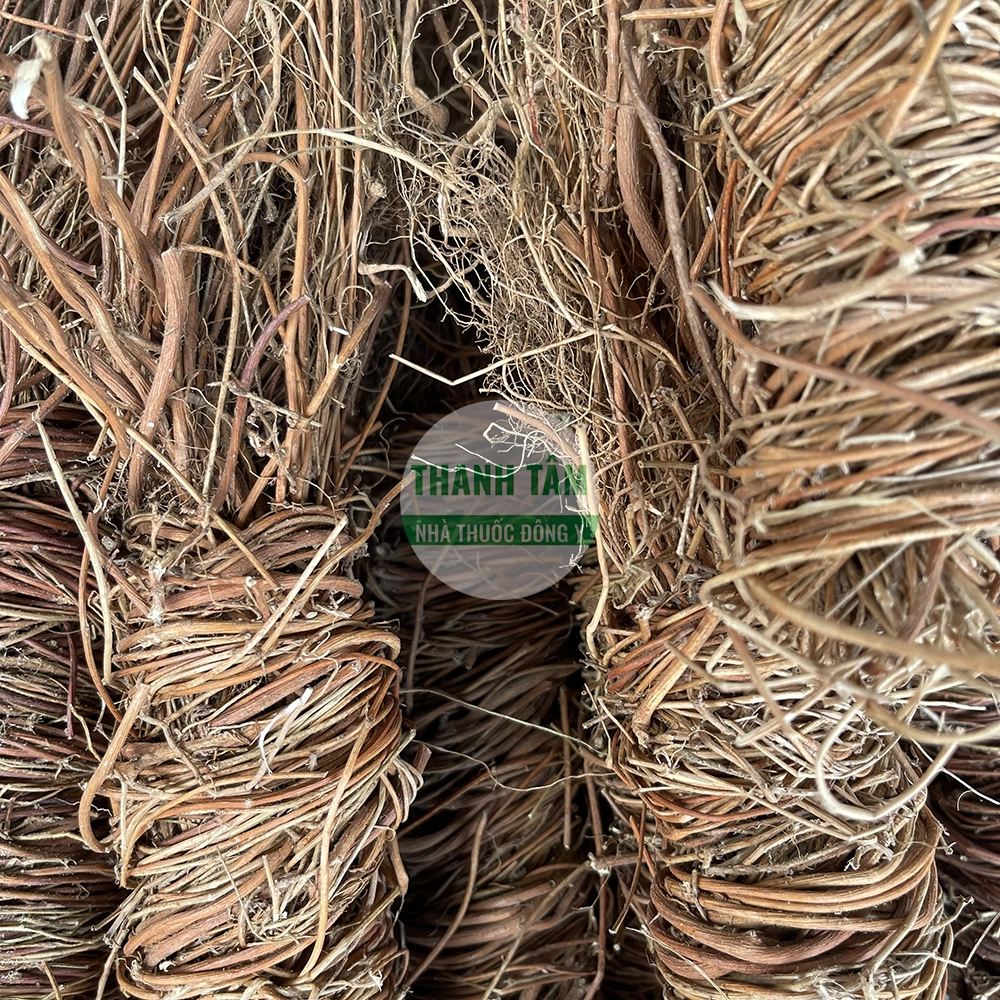
Dried Canton Love-pea Vine prepared for use in TCM formulas
- Scientific name / Pinyin / Chinese: Herba Abri / Ji Gu Cao / 鸡骨草.
- Flavors, Nature – Meridian: Sweet, slightly Bitter, Cool – Liver, Stomach.
- Main benefits: Supports Heat clearing, Dampness draining, Liver Qi regulation, Liver–Gallbladder function, and relief of internal heat sensations.
- Reference dosage: 15–30 g daily, commonly prepared as a decoction.
1. Origin and description
This medicinal herb comes from Abrus cantoniensis Hance, a climbing plant in the Fabaceae family. It grows in tropical and subtropical areas of Asia.
The medicinal material mainly consists of the above-ground stems and leaves. They are harvested, cleaned, then sun-dried or gently dried for storage. The finished herb usually contains slender stems and compound leaves with a greenish-brown color, a mild aroma, and a slightly bitter taste.
The Vietnamese name Kê cốt thảo is associated with the appearance of the plant. Because several wild plants may have similar local names, correct identification is important before medicinal use.
In TCM, this herb is often included in formulas designed to clear Heat, drain Dampness, soothe Liver Qi, and ease discomfort in the upper abdomen or hypochondriac area.
2. Related names of Canton Love-pea Vine
Other names: Kê cốt thảo, Cây đậu cườm, Dây cườm Quảng Đông, Canton love-pea, Cantonese abrus herb, Ji Gu Cao herb.
Scientific name: Herba Abri.
Pinyin name: Ji Gu Cao.
Chinese name: 鸡骨草.
In Chinese TCM, Ji Gu Cao is commonly associated with formulas for Liver and Gallbladder Damp-Heat patterns. It should not be confused with licorice vine or other species in the Abrus genus. The seeds of some related species may contain highly toxic compounds, so only properly identified medicinal material from a reliable source should be used.
3. Flavors, Nature – Meridian
According to TCM theory, this herb is Sweet and slightly Bitter in flavor, Cool in nature, and enters the Liver and Stomach Meridians.
The Sweet flavor is traditionally associated with harmonizing and supporting the body, while the Bitter flavor is linked with clearing Heat and helping drain Dampness. Its Cool nature makes it more suitable for patterns involving internal Heat, Damp-Heat, or sensations of warmth and discomfort.
Its Liver Meridian affinity reflects its traditional role in supporting the smooth flow of Liver Qi. Its Stomach Meridian affinity connects the herb with digestive support.
4. Benefits of Canton Love-pea Vine in TCM
- Supports Heat clearing: Traditionally used to ease sensations associated with internal Heat according to TCM pattern differentiation.
- Supports Dampness draining: May help regulate Damp-Heat patterns associated with heaviness, poor appetite, or digestive discomfort.
- Helps soothe the Liver: Traditionally used to promote smoother Liver Qi movement when stagnation contributes to discomfort.
- Supports Liver and Gallbladder function: Commonly appears in herbal formulas focusing on the Liver and Gallbladder systems.
- Supports relief of hypochondriac discomfort: May be combined with other herbs for discomfort or pain around the rib-side area related to Qi stagnation.
These uses belong to traditional TCM practice and should not be considered a substitute for diagnosis or treatment of liver, gallbladder, or digestive disease. Persistent pain, jaundice, dark urine, fever, or other significant symptoms require medical evaluation.

Common Canton Love-pea Vine | Thanh Tam Herbs
5. How to use and dosage
A commonly referenced dosage is 15–30 g per day, most often prepared as a decoction. The actual amount varies according to the individual, preparation method, and other herbs in the formula.
- Decoction: Rinse the dried herb and simmer it in water according to professional instructions.
- Herbal combinations: May be paired with herbs that clear Heat, drain Dampness, regulate Liver Qi, or support the Liver and Gallbladder.
- Storage: Keep in a cool, dry place away from moisture, mold, and direct sunlight.
Long-term self-use is not recommended without professional guidance.
6. Indications and contraindications
Indications
In TCM, Ji Gu Cao may be referenced for patterns involving jaundice, dark or yellow urine, internal Heat, discomfort around the hypochondriac region, abdominal fullness, poor appetite, and other manifestations associated with Damp-Heat.
Contraindications and precautions
People with a deficiency-cold constitution, frequent cold abdominal sensations, or persistent diarrhea should use caution because the herb is Cool in nature. Pregnant people, those receiving treatment for chronic disease, and anyone taking multiple medications should consult a healthcare professional or Herb doctor before use.
Do not use herbal material that is moldy, contaminated, mixed with unidentified plant parts, or from an unclear source. Because other Abrus species may contain toxic seeds, careful sourcing and correct botanical identification are especially important.
7. Reference herbal combinations with Kê cốt thảo
- Internal Heat and Damp-Heat: May be combined with Yin Chen, Zhi Zi, and Huang Qin to support Heat clearing and Dampness regulation.
- Hypochondriac discomfort and Qi stagnation: May be paired with Yu Jin, Chai Hu, and Xiang Fu depending on the individual pattern.
- Jaundice associated with Damp-Heat: May be combined with Yin Chen, Zhi Zi, and Da Huang in selected traditional formulas.
- Abdominal fullness and poor digestion: May be used with Chen Pi, Bai Zhu, and Fu Ling to support digestion and Spleen function.
These combinations are provided for traditional reference only. A full herbal formula should be selected according to individual symptoms, constitution, TCM pattern differentiation, and current health status.
8. Frequently asked questions
- Is Ji Gu Cao the same as Jin Qian Cao? No. They are different TCM herbs with different botanical origins, medicinal parts, and traditional applications.
- Does Ji Gu Cao support the liver? In TCM, it is commonly used in formulas that support Liver and Gallbladder patterns, but it does not replace treatment for liver disease.
- Can it be used every day? Long-term daily use without professional guidance or a clear purpose is not recommended.
- Is it safe to collect this herb in the wild? Self-collection is not recommended because related plants can be difficult to distinguish and some Abrus seeds are toxic.
- How can I choose good-quality material? Choose clean, thoroughly dried herb from a reliable source, with no mold, unusual odor, contamination, or unidentified plant material.
👉 Visit Thanh Tam Herbs – a trusted Herbal pharmacy for quality herbs and TCM guidance
Nguồn tham khảo
- Dược điển Việt Nam.
- Lương y Hy Lãn Hoàng Văn Vinh, Cây thuốc vị thuốc Đông y, Nhà xuất bản Hà Nội, 2001.
- Tài liệu, hướng dẫn và thông tin chuyên ngành từ Bộ Y tế.
Rate this article
How useful was this article?
Tác giả bài viết