Chanca Piedra | Traditional Herbal Medicines
🌿 Chanca Piedra – A TCM Herb for Clearing Heat, Supporting the Liver, and Promoting Internal Balance
Chanca Piedra, known in Vietnamese as Diệp hạ châu, is a familiar medicinal plant in TCM and Vietnamese folk herbal practice. It is traditionally valued for clearing Heat, supporting Liver function, and helping the body recover from patterns associated with internal Heat or digestive imbalance. With its distinctly Bitter flavor and Cold nature, it is commonly prepared as a decoction or herbal tea for short-term wellness support.
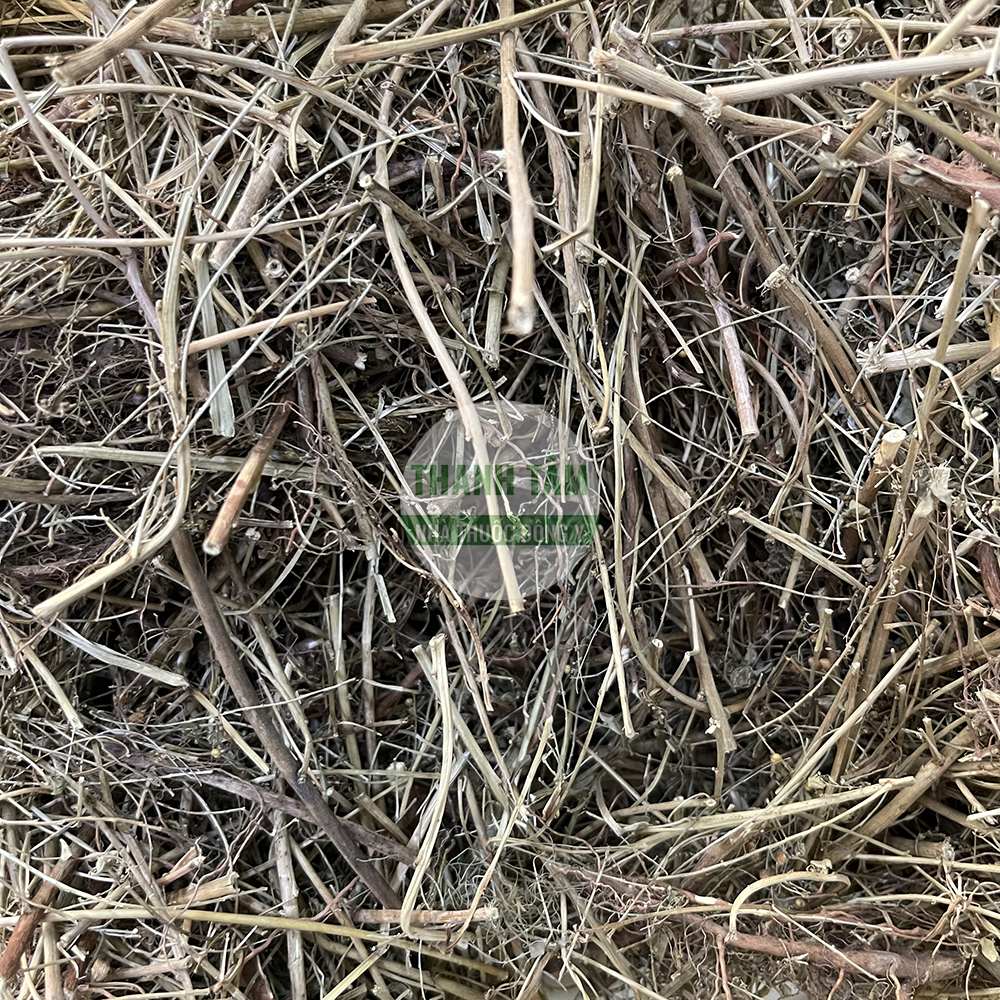
- Scientific name / Pinyin / Chinese: Phyllanthus amarus / Ye Xia Zhu / 叶下珠.
- Flavors, Nature – Meridian: Bitter, Cold – associated mainly with the Liver and Lung Meridians.
- Main benefits: Clears Heat, supports Liver wellness, helps the body manage internal Heat, and is traditionally used for detoxification support according to TCM theory.
- Reference dosage: Commonly 20–40 g of dried herb daily, prepared as a decoction or herbal infusion.
1. Origin and description
Chanca Piedra refers to the dried aerial parts of Phyllanthus amarus, a small herbaceous plant in the Phyllanthaceae family. It grows widely in Vietnam, especially along roadsides, field edges, and gardens. It can be harvested through much of the year.
The plant usually reaches about 30–60 cm in height. Its stems are slender, and the small leaves are arranged alternately along the branchlets. Tiny flowers and round fruits appear beneath the leaves, a distinctive feature that inspired the Vietnamese name Diệp hạ châu, meaning “pearls beneath the leaves.”
After harvesting, the herb is washed, cut into shorter sections, and dried. Good material should be dry, greenish brown, and free from mold or foreign matter.
2. Related names of Chanca Piedra
Other names: Diệp hạ châu, Chó đẻ răng cưa, Cây chó đẻ, Diệp hạ châu đắng, Chanca Piedra, seed-under-leaf, chamber bitter.
Scientific name: Phyllanthus amarus.
Pinyin name: Ye Xia Zhu.
Chinese name: 叶下珠.
The name Chanca Piedra is also used for related Phyllanthus species, so correct botanical identification is important when the herb is intended for medicinal use.
3. Flavors, Nature – Meridian
In TCM and Vietnamese herbal practice, the herb is described as Bitter in flavor and Cold in nature. It is traditionally associated with the Liver and Lung Meridians.
Its Bitter and Cold qualities are linked with clearing Heat. Through the Liver Meridian, it is traditionally used for internal Heat. Through the Lung Meridian, it may be selected when Heat affects the respiratory system.
Because of its Cold nature, it may not suit people who frequently feel cold or have weak digestion.
4. Benefits of Chanca Piedra in TCM
The herb is traditionally used for clearing Heat and supporting internal balance. Commonly referenced uses include:
- Clearing Heat: Traditionally used for people who experience internal warmth, thirst, or other Heat-related patterns.
- Supporting Liver wellness: Commonly included in herbal preparations intended to support normal Liver function and recovery from dietary or lifestyle strain.
- Traditional detoxification support: Used in TCM and folk practice as part of formulas intended to clear Heat and support the body’s natural elimination processes.
- Supporting digestion: May be considered for bloating or digestive discomfort when these symptoms are associated with Heat.
Modern research has examined compounds in Phyllanthus amarus for potential antioxidant and liver-protective activity, but these findings do not mean the herb can treat liver disease or replace prescribed medical care.
5. How to use and dosage
A commonly referenced amount is 20–40 g of dried herb per day. It is usually prepared as a decoction or herbal infusion.
- Decoction: Use about 30–40 g of dried herb with 1–1.5 liters of water and divide into several servings during the day.
- Herbal tea: Use about 20–30 g, steep in hot water, and drink during the day.
- Herbal combinations: It may be combined with other herbs according to the intended TCM pattern and wellness goal.
Long-term continuous use is not generally recommended without professional guidance.
6. Indications and contraindications
Indications
In traditional practice, Chanca Piedra may be considered for people with internal Heat, frequent feelings of warmth, dietary excess, or a desire for short-term Liver and digestive wellness support.
Contraindications and precautions
People with a Cold constitution, frequent abdominal coldness, loose stools, or low blood pressure should use the herb cautiously. Pregnant or breastfeeding people should seek professional advice before medicinal use.
Anyone taking medication for blood pressure, blood sugar, blood clotting, or chronic liver conditions should consult a doctor or Herb doctor before regular use.
Persistent fatigue, jaundice, dark urine, severe abdominal pain, unexplained weight loss, or abnormal liver test results require medical assessment.
7. Reference herbal combinations with Diệp hạ châu
- Clearing Heat and supporting the Liver: Chó đẻ răng cưa may be combined with artichoke in traditional wellness preparations.
- Traditional detoxification support: Diệp hạ châu may be paired with Purple Adenosma when appropriate to the individual pattern.
- Internal Heat with difficulty relaxing: Traditional combinations may include Lạc tiên, depending on the person’s presentation.
- Digestive support: Diệp hạ châu may be combined with Gan Cao in selected formulas.
These combinations are for traditional reference only. Selection and dosage should reflect constitution, symptoms, medications, and TCM pattern differentiation.
8. Frequently asked questions
- Can I drink Chanca Piedra every day? It is sometimes prepared as an herbal tea, but continuous long-term use is not suitable for everyone. Short courses are generally more appropriate unless a qualified professional advises otherwise.
- How long does it take to notice an effect? There is no fixed timeframe. Any noticeable effect depends on the person, preparation, dose, diet, and reason for use. Persistent symptoms should be medically assessed.
- Can it make me feel tired? Some people may feel weak, lightheaded, or experience digestive discomfort if the amount is too high or if the herb does not suit their constitution.
- Is it a proven treatment for liver disease? No. Although the plant has been studied for compounds that may support liver health, it should not replace medical evaluation or prescribed treatment for hepatitis, fatty liver disease, or other liver disorders.
- How should I choose good-quality material? Choose dry, naturally colored herb with minimal impurities, no mold, no unusual odor, and clear sourcing from a reliable Herbal pharmacy.
👉 Visit Thanh Tam Herbs – a trusted Herbal pharmacy for quality herbs and TCM guidance
Nguồn tham khảo
- Dược điển Việt Nam.
- Lương y Hy Lãn Hoàng Văn Vinh, Cây thuốc vị thuốc Đông y, Nhà xuất bản Hà Nội, 2001.
- Tài liệu, hướng dẫn và thông tin chuyên ngành từ Bộ Y tế.
Rate this article
How useful was this article?
Tác giả bài viết