Notoginseng | Traditional Herbal Medicines
🌿 Notoginseng – A TCM Herb for Blood Support, Circulation and Recovery
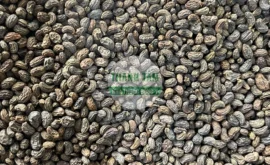
Notoginseng, known as San Qi in TCM, is a valued traditional herb obtained mainly from the root of Panax notoginseng. In Vietnam, Tam thất is commonly used as either the root or unopened flower buds. These parts come from the same plant but have different traditional applications.
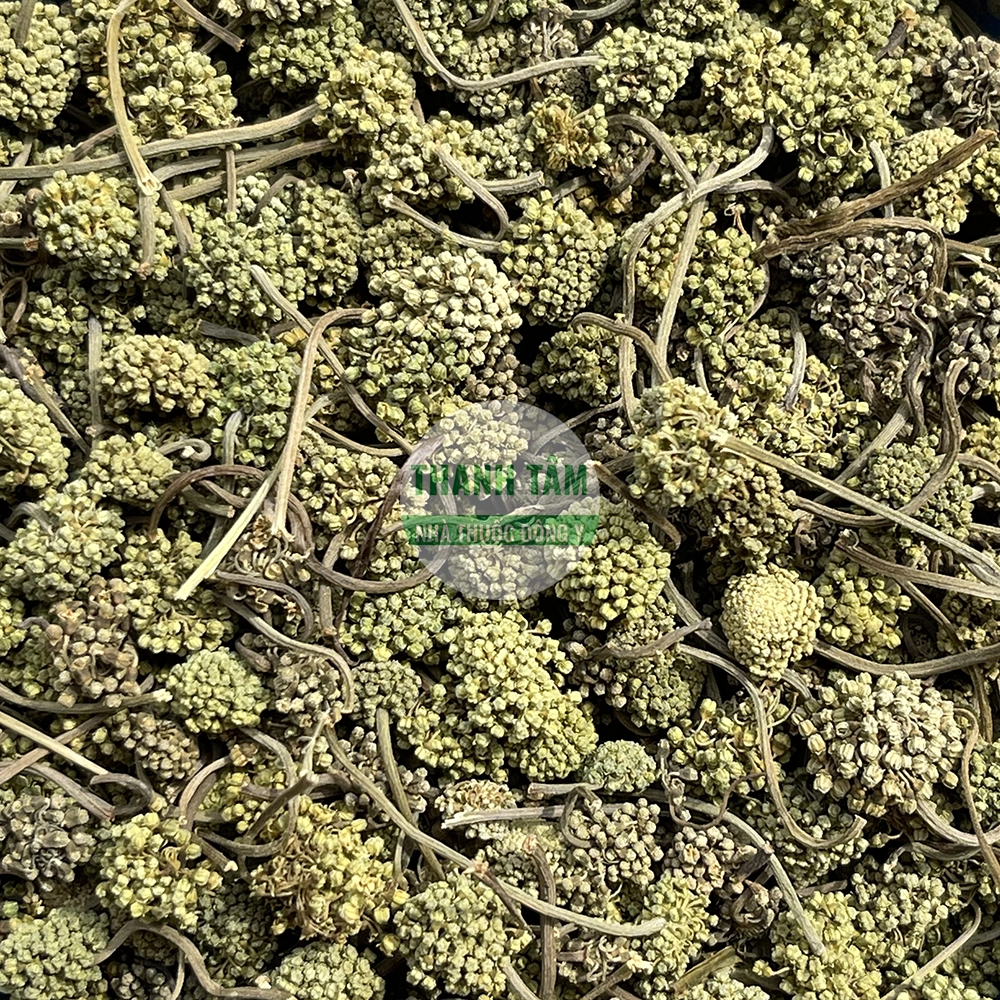
Common forms of Notoginseng used in TCM
- Scientific name / Pinyin / Chinese: Panax notoginseng / San Qi / 三七.
- Flavors, Nature – Meridian: Sweet, slightly Bitter, Warm – Liver, Stomach.
- Main benefits: Supports Blood nourishment, Blood circulation, pain relief, recovery after injury, and traditional hemostatic functions.
- Reference dosage: Root 3–9 g daily; flower buds 3–6 g daily.
1. Origin and description
The medicinal root comes from Panax notoginseng, a member of the Araliaceae family. The plant grows best in cool mountainous environments and has long been cultivated for medicinal use.
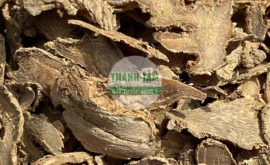
The root is usually irregular in shape, grayish yellow, firm, and wrinkled. Its taste is initially bitter, followed by a mildly sweet aftertaste. Good material should be dry, dense, clean, and free from mold or unusual odor.
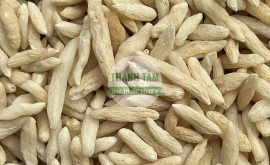
In Vietnam, the name Southern Panax may refer to several different plants that are not botanically identical to Northern Panax. Because local naming can vary by region, correct botanical identification is important before use.
The unopened flower buds are also used, usually as herbal tea, and are generally considered milder than the root.
2. Related names of Notoginseng
Other names: Tam thất, Tam thất Bắc, Điền thất, Kim bất hoán, notoginseng root, Chinese notoginseng, San Qi root.
Scientific name: Panax notoginseng.
Pinyin name: San Qi.
Chinese name: 三七.
In TCM, San Qi is traditionally valued for helping stop bleeding while promoting Blood circulation and dispersing stasis. The root and flower buds are not considered interchangeable because their traditional applications differ.
3. Flavors, Nature – Meridian
According to TCM theory, the root is Sweet and slightly Bitter in flavor, Warm in nature, and enters the Liver and Stomach Meridians.
The Bitter flavor is associated with dispersing stasis, while the Sweet flavor supports harmonizing and nourishing functions. Its Warm nature suits selected patterns involving weak circulation or physical recovery.
The flower buds are milder and are often prepared as tea to help reduce sensations of internal heat and support general wellness.
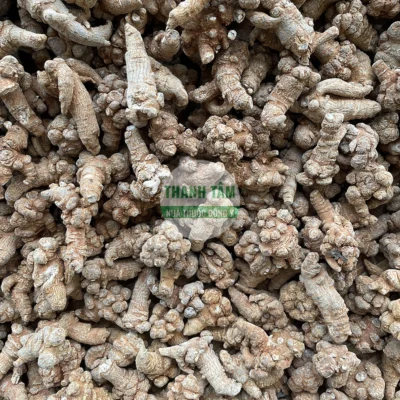
Northern Panax ginseng root | Thanh Tam Herbs
4. Benefits of Notoginseng in TCM
- Supports Blood nourishment: Traditionally included in formulas that support Qi and Blood and help the body recover after weakness or physical stress.
- Supports Blood circulation: Commonly used when pain or discomfort is associated with Blood stasis or poor circulation.
- Supports pain relief: May be included in formulas for bruising, injury, or pain linked to stagnation.
- Supports physical recovery: Traditionally used as part of recovery care after injury, fatigue, or periods of weakness.
- Supports cooling with flower buds: The flower buds are often prepared as tea for people seeking a milder herbal option associated with clearing internal heat.
These benefits belong to traditional TCM practice and do not replace medical treatment. Significant bleeding, persistent pain, unexplained bruising, or prolonged weakness should be medically assessed.
5. How to use and dosage
The herb may be used as dried slices, powder, decoction material, or flower-bud tea.
- Root: A commonly referenced amount is 3–9 g per day, often used in decoctions or powdered preparations.
- Flower buds: A commonly referenced amount is 3–6 g per day, usually steeped as an herbal tea.
- Herbal combinations: The root may be combined with other TCM herbs that support Qi, Blood, circulation, or recovery.
- Storage: Keep in a cool, dry place away from humidity, insects, and direct sunlight.
Dosage should reflect constitution, health status, preparation method, and professional advice. Long-term high-dose self-use is not recommended.
6. Indications and contraindications
Indications
In TCM, San Qi may be referenced for pain due to Blood stasis, bruising, weakness, poor Qi and Blood circulation, and recovery after injury. Traditional texts also describe its use in selected bleeding patterns, but active bleeding requires professional evaluation.
Contraindications and precautions
Pregnant people should use caution because the root is traditionally considered to invigorate Blood. People with bleeding disorders or those taking anticoagulant or antiplatelet medication should consult a healthcare professional or Herb doctor before use.
Do not use moldy, damp, contaminated, or poorly identified material.
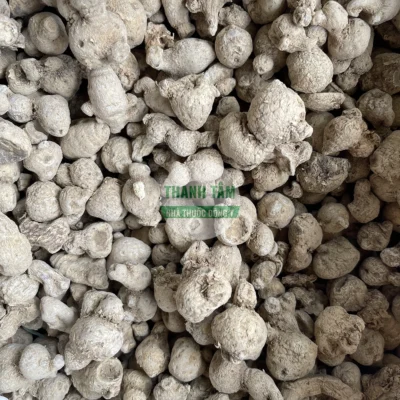
Southern Panax ginseng root | Thanh Tam Herbs
7. Reference herbal combinations with Tam thất
- Pain due to stasis or bruising: May be combined with Dang Gui, Chuan Xiong, and Chi Shao to support Blood circulation.
- Weakness and poor Qi-Blood support: May be paired with Dang Shen, Huang Qi, and Bai Zhu in formulas intended to support recovery and vitality.
- After physical injury: May be combined with other herbs traditionally selected to move Blood, reduce stasis, and support recovery.
- Internal heat sensations: The flower buds may be prepared with suitable herbal teas as a milder traditional option.
These combinations are for traditional reference only. A full formula should follow individual symptoms, constitution, medication, and TCM pattern differentiation.
8. Frequently asked questions
- Are Northern Panax and Southern Panax the same? No. They may come from different plants and can differ in medicinal parts and traditional uses.
- Are Notoginseng flower buds the same as the root? No. The buds are unopened flowers from the same plant and are generally used more mildly, often as tea.
- Can San Qi be used every day? It should be used according to individual needs and should not be taken continuously without a clear purpose or professional guidance.
- Can people taking blood thinners use it? Professional medical advice is recommended before use because of its traditional effects on Blood and circulation.
- How can I choose good-quality material? Choose clean, dry, well-identified products from a reliable source, without mold, unusual odor, or contamination.
9. Differences between common types of Tam thất
The term Tam thất may refer to different medicinal materials. The table below summarizes their key differences:
| Type | Part used | Main traditional uses |
|---|---|---|
| Northern Panax | Root of Panax notoginseng. | Supports Blood nourishment, circulation, stasis reduction, pain relief, and physical recovery. |
| Southern Panax | Varies by species and region; the root or rhizome may be used. | Traditional uses vary and are not considered fully equivalent to Tam thất Bắc. |
| Notoginseng flower buds | Unopened flower buds of Panax notoginseng. | Commonly prepared as tea to support general wellness and help reduce sensations of internal heat. |
👉 Visit Thanh Tam Herbs – a trusted Herbal pharmacy for quality herbs and TCM guidance
Nguồn tham khảo
- Dược điển Việt Nam.
- Lương y Hy Lãn Hoàng Văn Vinh, Cây thuốc vị thuốc Đông y, Nhà xuất bản Hà Nội, 2001.
- Tài liệu, hướng dẫn và thông tin chuyên ngành từ Bộ Y tế.
Rate this article
How useful was this article?
Tác giả bài viết