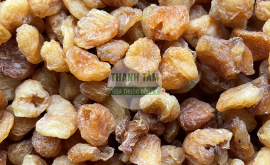
Dioscorea Rhizome | Traditional Herbal Medicines
🌿 Dioscorea Rhizome – A TCM Herb for Clearing Turbidity and Dispelling Wind-Dampness
Dioscorea Rhizome, known as Tỳ giải or Bi Xie, is traditionally used in TCM for patterns associated with Damp-Turbidity, including cloudy urine, excessive vaginal discharge, and aching or heaviness in the lower back and knees related to Wind-Dampness.

- Scientific name / Pinyin / Chinese: Rhizoma Dioscoreae / Bi Xie / 萆薢.
- Flavors, Nature – Meridian: Bitter, Neutral; associated with the Liver, Kidney, Stomach, and Bladder Meridians.
- Main benefits: Traditionally used to help clear cloudy urine, reduce excessive vaginal discharge, and relieve aches linked with Wind-Dampness.
- Reference dosage: 9–15 g daily, commonly prepared as a decoction and combined with other herbs.
1. Origin and description
According to the Vietnamese Pharmacopoeia, the medicinal material consists of the dried rhizome of Dioscorea septemloba or Dioscorea futschauensis, plants in the Dioscoreaceae family. The rhizomes are generally harvested in autumn or winter, cleaned, sliced, and dried.
The dried slices are irregular in shape and usually about 2–5 mm thick. The outer surface ranges from yellow-brown to brown, while the cut surface is grayish white to grayish brown with visible vascular bundle dots. The texture is relatively porous, the odor is mild, and the taste is slightly bitter.
Store the herb in a dry place and protect it from moisture and mold.
2. Related names of Dioscorea Rhizome
Other names: Tỳ giải, Miên tỳ giải, Xuyên tỳ giải, Phấn tỳ giải, Tất giã, Bì giải, Bi Xie, Dioscorea Rhizome.
Scientific name: Rhizoma Dioscoreae.
Pinyin name: Bi Xie.
Chinese name: 萆薢.
Names may vary by region and herbal tradition. When purchasing the herb, choose products that clearly identify the botanical source, medicinal part used, and origin.
3. Flavors, Nature – Meridian
According to the Vietnamese Pharmacopoeia, this herb has a Bitter flavor and a Neutral nature. It is traditionally associated with the Liver, Kidney, Stomach, and Bladder Meridians.
Within TCM theory, Bitter herbs are often associated with drying Dampness. A Neutral nature means the herb is not strongly Cold or Hot. Its traditional connection with the Kidney and Bladder is commonly discussed in relation to urinary patterns, while its association with the Liver may be considered when addressing discomfort involving the sinews, joints, lower back, or knees.
These descriptions belong to the traditional TCM framework and should not be interpreted as modern pharmacological mechanisms.
4. Benefits of Dioscorea Rhizome in TCM
- Clears Damp-Turbidity: This is one of its best-known traditional actions. It is often used in formulas for cloudy urine or other patterns described in TCM as turbid Dampness.
- Supports excessive vaginal discharge: It may be included when leucorrhea is considered related to Dampness.
- Dispels Wind-Dampness: Traditional formulas may use it for joint discomfort, heaviness, numbness, or aching of the lower back and knees associated with Wind-Damp patterns.
- Supports certain Damp-Heat skin patterns: Some classical references include it in formulas for skin lesions assessed as involving Damp-Heat.
Persistent cloudy urine, painful urination, lower-back pain, or unusual vaginal discharge should be medically evaluated rather than treated only with herbs.
5. How to use and dosage
A common reference dosage is 9–15 g per day. Dioscorea Rhizome is usually prepared as a decoction and combined with other herbs according to the individual TCM pattern.
Do not increase the dosage or use the herb continuously for long periods without professional guidance. People taking diuretics, cardiovascular medicines, or treatment for kidney disease should consult a physician or Herb doctor before use.
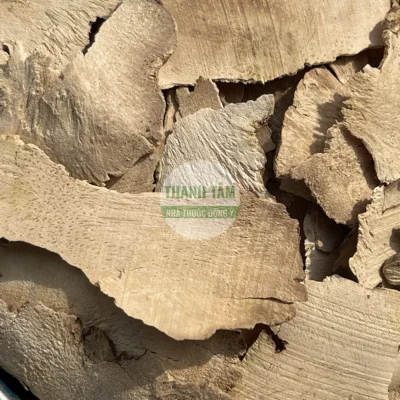
Dioscorea Rhizome | Thanh Tam Herbs
6. Indications and contraindications
Indications
According to the Vietnamese Pharmacopoeia, traditional indications include cloudy urine, excessive leucorrhea, certain Damp-Heat skin conditions, and lower-back or knee pain when the overall pattern is considered appropriate. Selection should be based on TCM pattern differentiation rather than on one symptom alone.
Contraindications and precautions
Traditional references advise against use in Yin Deficiency with excessive Fire or in lower-back pain attributed to Kidney Deficiency when this herb is not appropriate for the pattern. Pregnant or breastfeeding individuals and people with chronic medical conditions should seek professional advice before use.
Medical care is needed if symptoms include fever, blood in the urine, severe flank pain, urinary retention, significant swelling, or abnormal vaginal discharge with a strong odor.
7. Reference herbal combinations with Tỳ giải
- Cloudy urine: Bi Xie Fen Qing Yin traditionally combines Bi Xie with Yi Zhi Ren, Shi Chang Pu, and Wu Yao. Exact formulas may vary among references.
- Wind-Damp joint discomfort: It may be combined with Niu Xi, Du Huo, Fang Feng, or other herbs traditionally used to dispel Wind and Dampness.
- Heaviness or aching of the lower back and knees: Some formulas combine it with Niu Xi, Du Zhong, or Sang Ji Sheng to support the sinews and bones.
- Leucorrhea associated with Dampness: It may be adjusted with herbs traditionally used to strengthen the Spleen, transform Dampness, or secure discharge, depending on the full presentation.
These combinations are for reference only. Formula selection, dosage, and duration should be individualized.
8. Frequently asked questions
- Is Tỳ giải the same as củ nâu? No. The herb belongs to the Dioscoreaceae family, but only specifically identified medicinal species should be used.
- Can Dioscorea Rhizome treat gout? Some traditional sources mention its use in formulas for joint discomfort, but its primary TCM actions are clearing Damp-Turbidity and dispelling Wind-Dampness. Gout requires proper diagnosis and medical management.
- Can it be used for painful or frequent urination? Do not self-treat based on these symptoms alone because urinary tract infection, stones, or other conditions may be responsible.
- What is the usual dosage? A common reference dosage is 9–15 g daily, usually as a decoction combined with other herbs.
- How should good-quality material be selected? Choose dry slices with a natural color, no mold, no unusual odor, and clear information about botanical source and origin.
- Can it be taken long term? Long-term self-use is not recommended. If symptoms persist or urinary changes become unusual, stop self-treatment and seek medical assessment.
👉 Visit Thanh Tam Herbs – a trusted Herbal pharmacy for quality herbs and professional TCM guidance
Nguồn tham khảo
- Dược điển Việt Nam.
- Lương y Hy Lãn Hoàng Văn Vinh, Cây thuốc vị thuốc Đông y, Nhà xuất bản Hà Nội, 2001.
- Tài liệu, hướng dẫn và thông tin chuyên ngành từ Bộ Y tế.
Rate this article
How useful was this article?
Tác giả bài viết