Danshen | Traditional Herbal Medicines
🌿 Danshen – A TCM Herb for Supporting Blood Circulation, Heart Nourishment, and Calmness
Danshen, also known as Red Sage Root and Đan sâm in Vietnamese, is a valuable TCM herb traditionally recognized for supporting blood circulation, resolving Blood Stasis, nourishing the Heart, and calming the mind. It is commonly included in traditional formulas related to circulation support, discomfort caused by Blood Stasis, mild restlessness, and women’s health concerns associated with irregular circulation patterns.

- Scientific name / Pinyin / Chinese: Salvia miltiorrhiza / Dan Shen / 丹参.
- Flavors, Nature – Meridian: Bitter, Slightly Cold – associated with the Heart and Liver Meridians.
- Main benefits: Supports blood circulation, helps resolve Blood Stasis, nourishes the Heart, and supports calmness according to TCM theory.
- Reference dosage: Commonly 8–16 g daily, prepared as a decoction.
1. Origin and description
Danshen is the dried root of Salvia miltiorrhiza, a perennial herb belonging to the Lamiaceae family. It is widely cultivated in China and some regions with suitable climates in Vietnam.
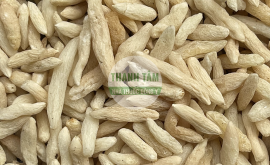
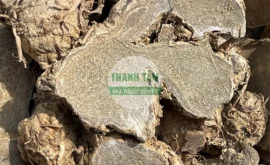
The plant usually grows 30–80 cm tall, with upright stems, compound leaves, and purple-blue flowers. The medicinal part is the root, which has a characteristic reddish-brown color. When cut open, the inner section usually shows a lighter yellowish tone.
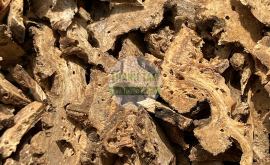
After harvesting, the roots are cleaned, cut into sections, and dried for medicinal use. High-quality material usually has a firm texture, reddish appearance, no mold, and minimal broken pieces.
In TCM practice, Danshen is considered an important herb in the category of herbs that support blood circulation and help address Blood Stasis patterns.
2. Related names of Danshen
Other names: Đan sâm, Huyết sâm, Xích sâm, Huyết căn, Red Sage Root, Red Sage Root Tuber, Salvia Root.
Scientific name: Salvia miltiorrhiza.
Pinyin name: Dan Shen.
Chinese name: 丹参.
The herb should be correctly identified and sourced from a reliable Herbal pharmacy to ensure authenticity and quality.
3. Flavors, Nature – Meridian
In TCM, Danshen is described as having a Bitter flavor and a Slightly Cold nature. It is traditionally associated with the Heart and Liver Meridians.
The Bitter flavor is traditionally linked with clearing Heat and supporting circulation, while its Slightly Cold nature helps maintain balance by supporting the movement of Blood and reducing Heat-related imbalance.
Through the Heart Meridian, it is traditionally used to nourish the Heart and support calmness. Through the Liver Meridian, it is associated with promoting smooth Blood circulation and helping relieve discomfort caused by Blood Stasis patterns.
4. Benefits of Danshen in TCM
Danshen is considered one of the commonly used herbs in TCM formulas related to Blood circulation and balance. Traditional uses include:
- Supporting blood circulation: Traditionally used to promote smooth Blood movement and support healthy circulation.
- Helping resolve Blood Stasis: Commonly included in formulas when discomfort is associated with stagnant Blood patterns.
- Supporting Heart nourishment: Traditionally used to support Heart function and maintain emotional balance.
- Promoting calmness: May be included in formulas for mild restlessness, poor sleep, or discomfort related to Heart Blood imbalance.
- Supporting women’s health: Traditionally used in formulas related to menstrual irregularity caused by Blood Stasis patterns.
Modern studies have investigated Salvia miltiorrhiza for active compounds such as tanshinones and salvianolic acids, including their antioxidant and cardiovascular-related properties. However, these findings do not replace medical diagnosis or treatment.
5. How to use and dosage
The commonly referenced dosage of Danshen is 8–16 g daily. It is usually prepared as a decoction together with other herbs according to traditional formulas.
Common preparation methods include:
- Decoction: Dried root slices are boiled with other herbs and consumed as a traditional herbal preparation.
- Extract or herbal tablets: Used according to professional instructions and product recommendations.
- Formula combination: Often combined with herbs that support blood nourishment, circulation, or Qi regulation.
Because this herb has Blood-moving properties, long-term or high-dose use should be guided by a qualified Herb doctor, especially for people with specific health conditions or those taking medication.
6. Indications and contraindications
Indications
In TCM practice, Danshen may be referenced for people experiencing discomfort associated with Blood Stasis patterns, such as menstrual irregularity, mild chest discomfort, circulation-related discomfort, or restlessness related to Heart Blood imbalance.
Contraindications and precautions
Pregnant individuals should use caution because this herb traditionally has Blood-moving properties. People taking anticoagulant or blood-thinning medication should consult a healthcare professional before use.
Individuals preparing for surgery, experiencing abnormal bleeding, or receiving long-term medical treatment should seek professional advice before using this herb.
Herbal products should not replace emergency care for serious symptoms such as severe chest pain, difficulty breathing, or sudden health changes.
7. Reference herbal combinations with Đan sâm
- Supporting circulation and Heart health: Danshen + San Qi is a traditional combination used in circulation-supporting formulas.
- Discomfort related to Blood Stasis: Danshen + Chuan Xiong may be combined traditionally to support Blood movement.
- Supporting relaxation and sleep: Danshen + Yuan Zhi may appear in traditional formulas related to Heart nourishment and calmness.
- Supporting menstrual balance: Danshen + Dang Gui is a commonly referenced combination for supporting Blood regulation.
These combinations are provided for traditional reference only. Formula selection should consider individual constitution, symptoms, medications, and guidance from a qualified Herb doctor.
8. Frequently asked questions
- Is Danshen good for heart health? In TCM tradition, it is commonly used to support circulation and Heart nourishment. It should not replace medical treatment for cardiovascular conditions.
- Can Danshen be taken every day? Regular use should depend on individual needs and professional guidance, especially for people taking medication.
- Does Danshen cause a warming effect? No. According to TCM theory, it has a Slightly Cold nature and is not considered a warming herb.
- Who should avoid Danshen? Pregnant individuals and people using blood-thinning medication should consult a healthcare professional before use.
👉 Visit Thanh Tam Herbs – a trusted Herbal pharmacy for quality herbs and TCM guidance
Nguồn tham khảo
- Dược điển Việt Nam.
- Lương y Hy Lãn Hoàng Văn Vinh, Cây thuốc vị thuốc Đông y, Nhà xuất bản Hà Nội, 2001.
- Tài liệu, hướng dẫn và thông tin chuyên ngành từ Bộ Y tế.
Rate this article
How useful was this article?
Tác giả bài viết