Zedoary | Traditional Herbal Medicines
🌿 Zedoary – A TCM Herb for Qi Movement, Blood Stasis and Digestive Support
Zedoary, known as E Zhu in TCM, is the dried rhizome of Curcuma zedoaria (Christm.) Roscoe. In traditional practice, this herb is commonly used to promote the movement of Qi, help disperse blood stasis, support digestion, and ease abdominal fullness or discomfort associated with poor circulation of Qi and Blood.
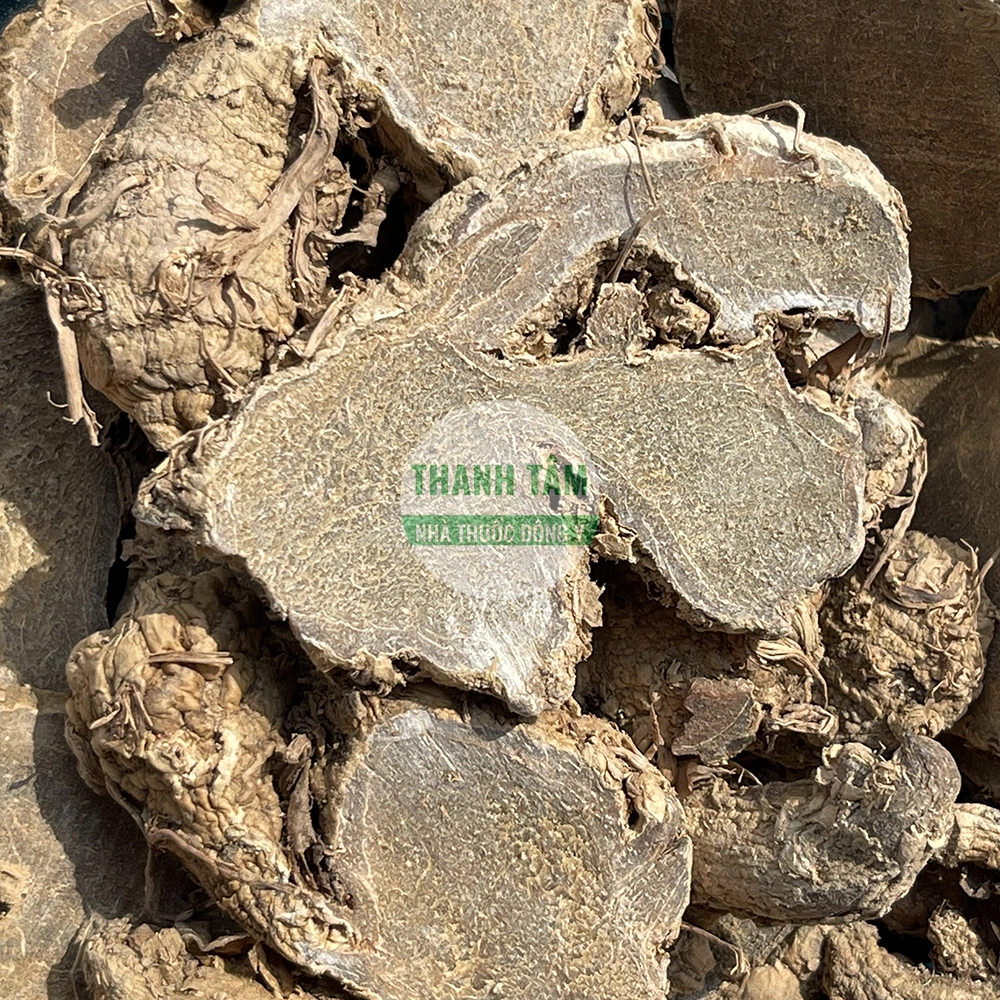
Dried Zedoary rhizome prepared for use in TCM formulas
- Scientific name / Pinyin / Chinese: Rhizoma Curcumae Zedoariae / E Zhu / 莪术.
- Flavors, Nature – Meridian: Pungent, Bitter, Warm – Liver, Spleen.
- Main benefits: Supports Qi movement, helps break up stasis, relieves abdominal fullness, supports digestion, and promotes smoother circulation of Qi and Blood.
- Reference dosage: 3–10 g daily, commonly used as a decoction or combined with other herbs in a TCM formula.
1. Origin and description
This medicinal herb comes from Curcuma zedoaria, a perennial plant in the Zingiberaceae family. It grows in tropical regions, including Vietnam.
The medicinal part is the mature rhizome. After harvesting, the rhizomes are washed, sliced, and dried in the sun or with controlled heat. The finished material is usually yellowish brown, aromatic, pungent, and slightly bitter.
In TCM, the herb is considered relatively strong in its ability to move Qi and disperse stasis. It is therefore often included in formulas for abdominal distension, digestive discomfort, fixed or distending pain, and other patterns associated with stagnation of Qi and Blood.
Good-quality material should be dry, clean, naturally aromatic, and free from mold or unusual odor.
2. Related names of Zedoary
Other names: Nga truật, Nghệ đen, Nghệ tím, Nghệ đăm, black turmeric, zedoary root, white turmeric.
Scientific name: Rhizoma Curcumae Zedoariae.
Pinyin name: E Zhu.
Chinese name: 莪术.
The name Nga truật is commonly used in Vietnamese TCM references for this herb. Although its rhizome may resemble yellow turmeric, the two herbs are not considered interchangeable. They differ in traditional properties, processing, and clinical applications, so correct identification is important before use.
3. Flavors, Nature – Meridian
According to TCM theory, this herb is Pungent and Bitter in flavor, Warm in nature, and enters the Liver and Spleen Meridians.
The Pungent flavor is traditionally associated with moving Qi and reducing stagnation. The Bitter flavor is often linked with dispersing accumulation and helping regulate digestive function. Its Warm nature makes it more suitable for patterns in which stagnation is accompanied by cold or reduced circulation.
Its connection with the Liver Meridian reflects its traditional role in regulating the movement of Qi and Blood, while its relationship with the Spleen Meridian explains why it is frequently included in herbal combinations for digestive fullness, poor appetite, and abdominal distension.
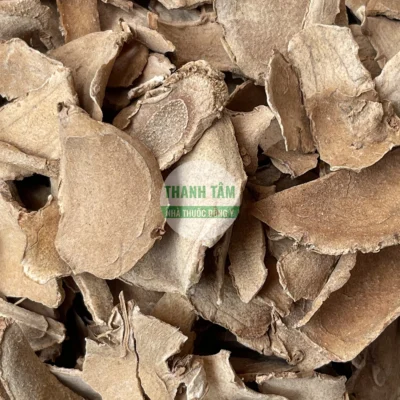
Black Turmeric Slices | Thanh Tam Herbs
4. Benefits of Zedoary in TCM
- Supports Qi movement: Traditionally used when Qi stagnation causes abdominal fullness, pressure, or a sensation of distension.
- Helps disperse blood stasis: Often included in formulas for patterns involving impaired circulation of Qi and Blood.
- Supports digestion: May help relieve reduced appetite, fullness after eating, and digestive discomfort associated with stagnation.
- Supports relief of stagnation-related pain: Can be combined with other herbs when discomfort is linked to poor movement of Qi or Blood.
- Traditional support for menstrual patterns: May appear in formulas for irregular menstruation when the underlying TCM pattern involves Qi stagnation or blood stasis.
These uses belong to traditional TCM practice and should not be interpreted as a substitute for modern medical diagnosis or treatment. Persistent abdominal pain, abnormal bleeding, or ongoing digestive symptoms should be evaluated by a healthcare professional.
5. How to use and dosage
A commonly referenced dosage is 3–10 g per day. The actual amount depends on the individual, the intended use, the preparation method, and the other herbs included in the formula.
- Decoction: Simmer the dried rhizome in water according to professional instructions.
- Herbal combinations: Commonly paired with herbs that move Qi, invigorate Blood, reduce food stagnation, or support digestive function.
- Storage: Keep in a dry, cool place away from moisture and direct sunlight, preferably in a tightly closed container.
Because this herb has relatively strong Qi-moving and stasis-dispersing properties, high doses or prolonged unsupervised use are not recommended.
6. Indications and contraindications
Indications
In TCM, E Zhu may be referenced for abdominal fullness, poor digestion, distending abdominal pain caused by Qi stagnation, food accumulation, and cases of irregular menstruation associated with stagnation of Qi and Blood.
Contraindications and precautions
Pregnant people should not use this herb without professional guidance because of its traditional Qi-moving and blood-stasis-dispersing actions. People who are physically weak, anemic, actively bleeding, or living with a significant medical condition should consult a qualified healthcare professional or Herb doctor before use.
Do not use material that is moldy, unusually discolored, damp, has an abnormal odor, or comes from an unclear source.
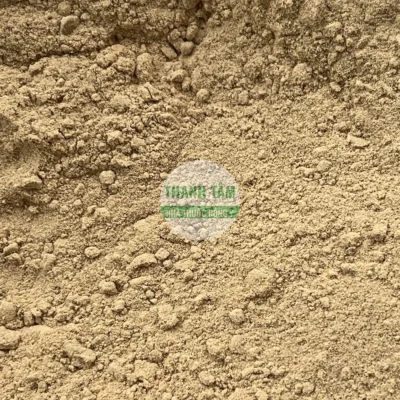
Black Turmeric Powder | Thanh Tam Herbs
7. Reference herbal combinations with Nga truật (Nghệ đen)
- Abdominal fullness and poor digestion: May be combined with Chen Pi, Mu Xiang, and Sha Ren to support Qi movement and digestive comfort.
- Abdominal pain due to Qi stagnation: May be paired with Xiang Fu, Zhi Ke, and Bai Shao in formulas intended to regulate Qi and ease discomfort.
- Irregular menstruation associated with stasis: May be combined with Dang Gui, Chuan Xiong, and Yi Mu Cao, depending on the individual pattern and constitution.
- Poor appetite with abdominal distension: May be used with Bai Zhu, Fu Ling, and Gan Cao to support the Spleen and digestive function.
These combinations are for traditional reference only. TCM formulas should be selected according to pattern differentiation, constitution, symptoms, and relevant health factors.
8. Frequently asked questions
- Is black turmeric the same as yellow turmeric? No. They are different medicinal materials with different traditional properties and uses, even though the rhizomes can appear somewhat similar.
- Can it be used every day? Long-term daily use without a clear indication or professional guidance is not recommended because of its strong moving and dispersing actions.
- Can people with stomach problems use it? It depends on the underlying cause and TCM pattern. Abdominal pain and digestive symptoms can result from many different conditions, so proper assessment is important.
- Can pregnant people use it? It should not be used during pregnancy without specific professional advice because it is traditionally used to move Qi and disperse blood stasis.
- How can I choose good-quality material? Choose clean, dry rhizome pieces with a natural aroma, no visible mold, no unusual discoloration, and clear information about origin and storage.
👉 Visit Thanh Tam Herbs – a trusted Herbal pharmacy for quality herbs and TCM guidance
Nguồn tham khảo
- Dược điển Việt Nam.
- Lương y Hy Lãn Hoàng Văn Vinh, Cây thuốc vị thuốc Đông y, Nhà xuất bản Hà Nội, 2001.
- Tài liệu, hướng dẫn và thông tin chuyên ngành từ Bộ Y tế.
Rate this article
How useful was this article?
Tác giả bài viết