Lotus Plumule | Traditional Herbal Medicines
🌿 Lotus Plumule – A TCM herb to clear Heart heat, calm the mind, and support sleep
Lotus Plumule is the small green embryo found inside mature lotus seeds. It has a very Bitter taste and is commonly used in TCM formulas for clearing heat, calming restlessness, easing mild palpitations, and supporting better sleep. This herb is more suitable when sleeplessness comes with irritability, dry mouth, thirst, inner heat, or a feeling that the mind cannot settle.

Lotus Plumule – TCM herb to clear Heart heat and calm the mind
- Scientific name / Pinyin / Chinese: Embryo Nelumbinis nuciferae / Lian Zi Xin / 莲子心
- Flavors, Nature – Meridian: Bitter, Cold Nature – commonly enters the Heart and Kidney Meridians
- Main benefits: Helps clear heat from the Heart, calm restlessness, support sleep, ease mild palpitations, and reduce thirst caused by internal heat when used for the right TCM pattern.
- Reference dosage: 1.5–3 g/day as tea or decoction; some references use 2–4 g/day depending on guidance.
1. Origin and description
Lotus Plumule is the dried young embryo located in the center of mature lotus seeds, from the lotus plant, belonging to the lotus family (Nelumbonaceae).
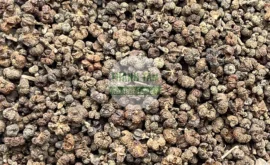
The dried herb is usually small, slender, slightly curved, and green to yellowish green. It breaks easily when dry, has a light odor, and tastes very Bitter. Good quality material should be evenly dried, naturally green, free from moisture, mold, and unusual odor.
Because this herb absorbs moisture easily, it should be stored in a sealed container in a dry place. When used as herbal tea, only a small amount is needed. A tea that is too strong may taste extremely bitter and may feel too Cold for people with weak digestion.
2. Related names of Lotus Plumule
Other names: Tâm sen, Tim sen, Liên tử tâm, Mầm hạt sen.
Scientific herbal name: Embryo Nelumbinis nuciferae. Pinyin name: Lian Zi Xin. Chinese name: 莲子心.
It is important to distinguish this herb from the white lotus seed. Lotus seed is commonly used as food and as a nourishing herb, while the green embryo in the center is much more Bitter and mainly used to clear Heart heat and calm the mind.
3. Flavors, Nature – Meridian
In TCM, Lotus Plumule has a Bitter flavor and a Cold Nature. The Bitter flavor helps drain fire and reduce irritability, while the Cold Nature helps clear heat. This makes the herb more suitable for patterns with internal heat, restlessness, dry mouth, thirst, or sleep difficulty related to heat.
The herb commonly enters the Heart and Kidney Meridians. The Heart is connected with the spirit, sleep, and palpitations. The Kidney is connected with essence, yin, and internal balance. Therefore, this herb is often used when Heart fire is strong, when Heart and Kidney are not communicating well, or when sleep is disturbed by heat and agitation.
4. Benefits of Lotus Plumule in TCM
Lotus Plumule is best known for clearing the Heart and calming the spirit. In simple words, it helps cool down the feeling of being overheated, irritated, restless, or unable to relax. When insomnia is linked with Heart irritability or internal heat, this herb may help the body settle more easily before sleep.
Common traditional benefits include clearing Heart fire, removing irritability, calming the mind, supporting better sleep, easing mild palpitations, reducing thirst caused by heat, and supporting cases of seminal emission or dream emission when the pattern matches. Some traditional use also mentions high blood pressure with palpitations and poor sleep, but it should not replace prescribed medication.
5. How to use and dosage
Lotus Plumule is often used as herbal tea, decoction, or part of a multi-herb formula. A common reference dosage is 1.5–3 g per day. Some references use 2–4 g/day depending on body constitution, purpose, and combination.
- Herbal tea: Use a small amount, rinse quickly, then steep with hot water and drink warm during the day.
- Decoction: Boil with other herbs when a stronger formula effect is needed.
- Powder: Use only with clear dosage because the taste is very Bitter.
- Combination: Often used with Suan Zao Ren, Bai Zi Ren, Yuan Zhi, roasted Tâm sen, Mai Men Dong, or Gan Cao.
Do not make the tea too concentrated or drink it continuously for a long period without understanding the cause of insomnia.
6. Indications and contraindications
Indications
This herb is traditionally used for restless insomnia, light sleep, palpitations, inner agitation, dry mouth and thirst, heat signs, seminal emission, dream emission, and some traditional cases of high blood pressure with poor sleep.
Contraindications
People with Spleen-Stomach deficiency Cold, cold abdomen, diarrhea, poor appetite, low blood pressure, or a weak Cold constitution should be cautious. People taking sleeping pills, sedatives, or blood pressure medication should also seek advice first. Pregnant women, breastfeeding mothers, young children, and people with chronic illness should consult a Herb doctor or healthcare professional before use.
7. Reference herbal combinations with Tim sen
- Insomnia with Heart irritability and heat signs: Lotus Plumule + roasted Tâm sen + Suan Zao Ren.
- Palpitations, restlessness, and shallow sleep: Lotus Plumule + Bai Zi Ren + Yuan Zhi.
- Dry mouth, thirst, and heat irritability: Lotus Plumule + Mai Men Dong + Gan Cao.
- Seminal emission or dream emission due to Heart-Kidney disharmony: Lotus Plumule + Qian Shi + Liên nhục.
These combinations are for reference only and do not replace a prescription from a Herb doctor.
8. Frequently asked questions
- Is Lotus Plumule the same as Tâm sen?
Yes. It is the small green embryo inside the lotus seed, very Bitter in taste, and commonly used as tea or decoction. - Can it be taken every day for sleep?
It should not be overused. If insomnia continues, the underlying cause should be checked instead of relying only on herbal tea. - Who should be careful with this herb?
People with cold abdomen, diarrhea, low blood pressure, weak Cold constitution, or those taking sedatives should use caution. - How can good material be recognized?
Choose clean, naturally green, well-dried material with no mold, no moisture, and a clear source.
👉 Thanh Tam Herbs – Trusted Herbal pharmacy for authentic TCM herbs
Nguồn tham khảo
- Dược điển Việt Nam.
- Lương y Hy Lãn Hoàng Văn Vinh, Cây thuốc vị thuốc Đông y, Nhà xuất bản Hà Nội, 2001.
- Tài liệu, hướng dẫn và thông tin chuyên ngành từ Bộ Y tế.
Rate this article
How useful was this article?
Tác giả bài viết