Senna Leaf | Traditional Herbal Medicines
🌿 Senna Leaf – A TCM Herb for Clearing Heat, Promoting Bowel Movements, and Relieving Constipation
Senna Leaf, known as Phan tả diệp in Vietnamese, is the dried leaflet of the senna plant. It is well known for stimulating intestinal movement and is traditionally used in TCM for constipation associated with Heat, food stagnation, abdominal fullness, and difficult bowel movements. Because its laxative action can be strong, it is generally recommended for short-term use and at an appropriate dose.
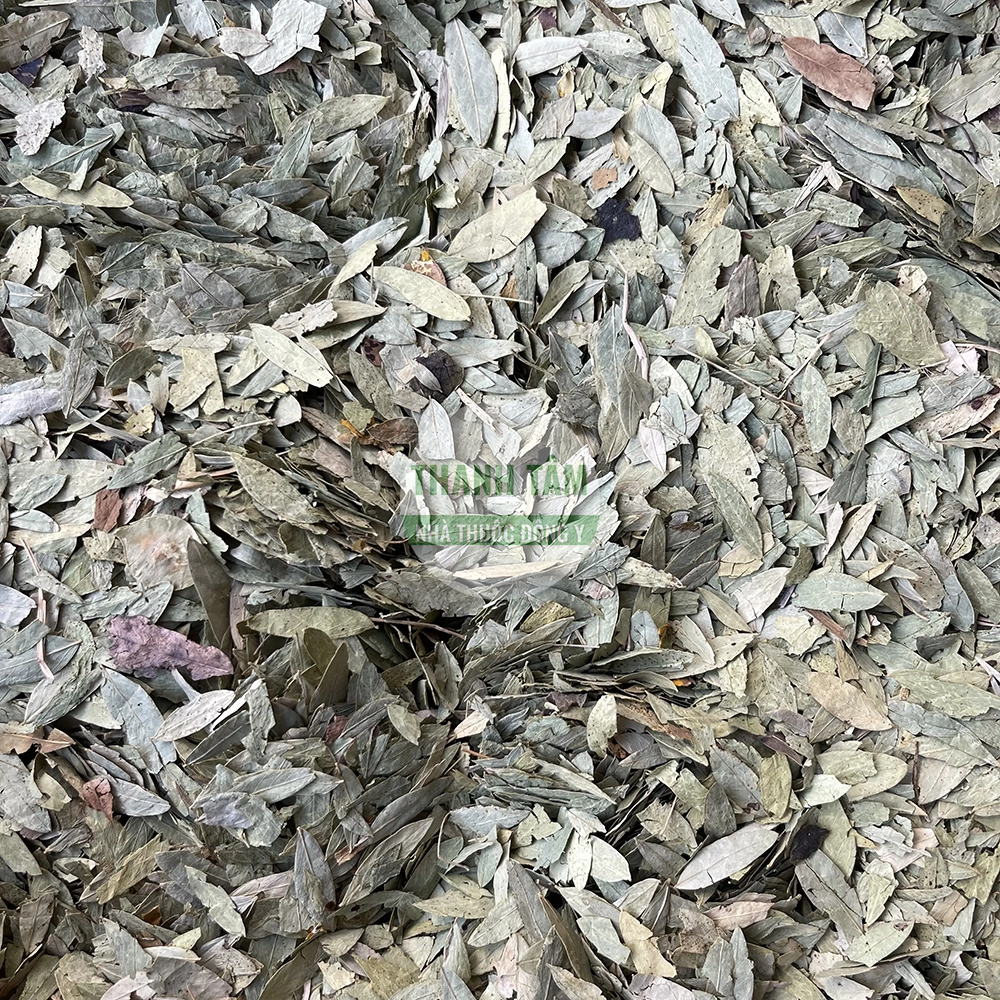
- Scientific name / Pinyin / Chinese: Senna alexandrina Mill. / Fan Xie Ye / 番泻叶.
- Flavors, Nature – Meridian: Sweet, Bitter, Cold – associated mainly with the Large Intestine Meridian.
- Main benefits: Traditionally used to clear Heat, move stagnation, promote bowel movements, and support fluid movement according to TCM theory.
- Reference dosage: Commonly 2–6 g daily, infused with hot water or added near the end of a decoction.
1. Origin and description
Senna Leaf is the dried leaflet of plants in the senna group, Senna alexandrina Mill. Older herbal and botanical references may also use the names Cassia angustifolia Vahl or Cassia acutifolia Delile.
The plant is adapted to hot, dry climates in parts of Africa and Asia. It has pinnate compound leaves with narrow leaflets with pointed tips.
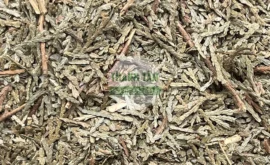
Dried material is usually yellowish green to grayish green, thin, fragile, and mildly bitter. Good-quality material should have few stems, little foreign matter, a natural color, and no signs of moisture or mold.
2. Related names of Senna Leaf
Other names: Phan tả diệp, Phiên tả diệp, lá senna, Lá muồng, Senna Leaf, Indian Senna.
Scientific name: Senna alexandrina Mill.; older references may list Cassia angustifolia or Cassia acutifolia.
Pinyin name: Fan Xie Ye.
Chinese name: 番泻叶.
3. Flavors, Nature – Meridian
In TCM, Senna Leaf is described as having Sweet and Bitter flavors with a Cold nature. It is traditionally associated with the Large Intestine Meridian.
Its Cold nature and Bitter flavor are linked with clearing Heat and directing accumulation downward. It is therefore used for dry stool, difficult defecation, and Heat-related constipation.
People who are prone to loose stools, abdominal discomfort from Cold, or weak digestion should use it cautiously.
4. Benefits of Senna Leaf in TCM
Traditional uses include:
- Clearing Heat and promoting bowel movements: Its best-known use is supporting defecation when constipation is associated with internal Heat and dry stool.
- Moving stagnation: It may be considered when retained stool contributes to abdominal fullness, bloating, or discomfort.
- Supporting downward elimination: It stimulates intestinal movement and helps stool pass more easily.
- Supporting fluid movement: Some references also describe support for fluid movement when Dampness contributes to fullness.
- Providing a clear laxative action: Natural sennosides stimulate the colon, so use should be limited.
This herb should not be used as a long-term “detox” product or as a method for reducing body fat.
5. How to use and dosage
A commonly referenced dosage is 2–6 g daily. The herb may be infused in hot water or added near the end of a decoction after other ingredients have almost finished simmering.
For mild constipation, lower doses are generally preferred. Increasing the amount does not necessarily provide a better result and may increase the risk of abdominal cramping, diarrhea, dehydration, or electrolyte imbalance.
Tablets, extracts, granules, and tea bags containing senna should be used according to the product label. Repeated symptoms should be discussed with a healthcare professional or Herb doctor.
6. Indications and contraindications
Indications
In TCM practice, Senna Leaf is mainly referenced for constipation related to Heat accumulation, especially when stool is dry and difficult to pass or when fullness accompanies retained stool. Modern practice also uses senna for short-term relief of occasional constipation.
Contraindications and precautions
Do not use senna when intestinal obstruction, bowel narrowing, intestinal paralysis, appendicitis, inflammatory bowel conditions, severe dehydration, or unexplained abdominal pain is suspected.
Senna should generally not be used for more than about one week unless a qualified healthcare professional recommends otherwise. Excessive or prolonged use may lead to diarrhea, cramping, dehydration, electrolyte imbalance, or dependence on stimulant laxatives.
Children under 12, pregnant individuals, breastfeeding individuals, and people taking diuretics or certain heart medicines should seek professional advice before use.
7. Reference herbal combinations with Phan tả diệp
- Heat-related constipation with dry stool: It may be used alone at a low dose or combined with other bowel-supporting herbs according to individual TCM patterns.
- Stagnation with abdominal fullness: It may be combined with herbs such as Zhi Shi or Hou Po when appropriate for the pattern.
- Constipation with pronounced Heat signs: Cooling or Heat-clearing herbs may be added, but overly strong purgative combinations should be avoided.
- Constipation in older adults: Long-term stimulant laxative use is generally unsuitable. Hydration, diet, activity level, and current medications should also be reviewed.
These combinations are provided for traditional reference only. Persistent constipation should be evaluated for its underlying cause.
8. Frequently asked questions
- How long does Senna Leaf take to work? Senna products often begin working within several hours. For this reason, many products are taken in the evening to support a bowel movement the following morning.
- Can it be taken every day for weight loss? No. It increases stool and water loss but does not reduce body fat. Long-term misuse may cause dehydration, electrolyte imbalance, and laxative dependence.
- Can it be used for chronic constipation? It should not be used continuously without professional guidance. Recurrent constipation should be assessed to identify dietary, medication-related, digestive, or other causes.
- Why can it cause stomach cramps? Senna stimulates contractions of the large intestine, so cramping, abdominal discomfort, or diarrhea may occur, especially when the dose is too high.
- How should good-quality material be selected? Choose dry leaves with a natural greenish color, few stems, little foreign matter, no mold, and a clear source from a reliable Herbal pharmacy.
👉 Visit Thanh Tam Herbs – a trusted Herbal pharmacy for quality herbs and practical TCM guidance
Nguồn tham khảo
- Dược điển Việt Nam.
- Lương y Hy Lãn Hoàng Văn Vinh, Cây thuốc vị thuốc Đông y, Nhà xuất bản Hà Nội, 2001.
- Tài liệu, hướng dẫn và thông tin chuyên ngành từ Bộ Y tế.
Rate this article
How useful was this article?
Tác giả bài viết