Gardenia Fruit | Traditional Herbal Medicines
🌿 Gardenia Fruit – A TCM Herb for Clearing Heat, Easing Restlessness, and Supporting Urination
Gardenia Fruit, known as Chi tử or quả dành dành in Vietnamese, is the dried ripe fruit of Gardenia jasminoides Ellis. In TCM, this herb is classified as Bitter and Cold. It is traditionally used to clear Heat, ease irritability and restlessness, support urination in Damp-Heat patterns, help with jaundice-related patterns, and cool the Blood in certain Heat-related bleeding conditions.
- Scientific name / Pinyin / Chinese: Fructus Gardeniae / Zhi Zi / 栀子.
- Flavors, Nature – Meridian: Bitter, Cold – associated with the Heart, Lung, and Triple Burner Meridians.
- Main benefits: Clears Heat, eases Heat-related restlessness, supports urination, cools the Blood, and is traditionally used for Damp-Heat patterns.
- Reference dosage: Commonly 6–9 g daily as a decoction; external use in an appropriate amount.
1. Origin and description
Gardenia Fruit is the mature fruit of the gardenia plant, a shrub or small evergreen tree in the Rubiaceae family. The plant is recognized by its glossy green leaves, fragrant white flowers, and oval to spindle-shaped fruits with clear longitudinal ridges.
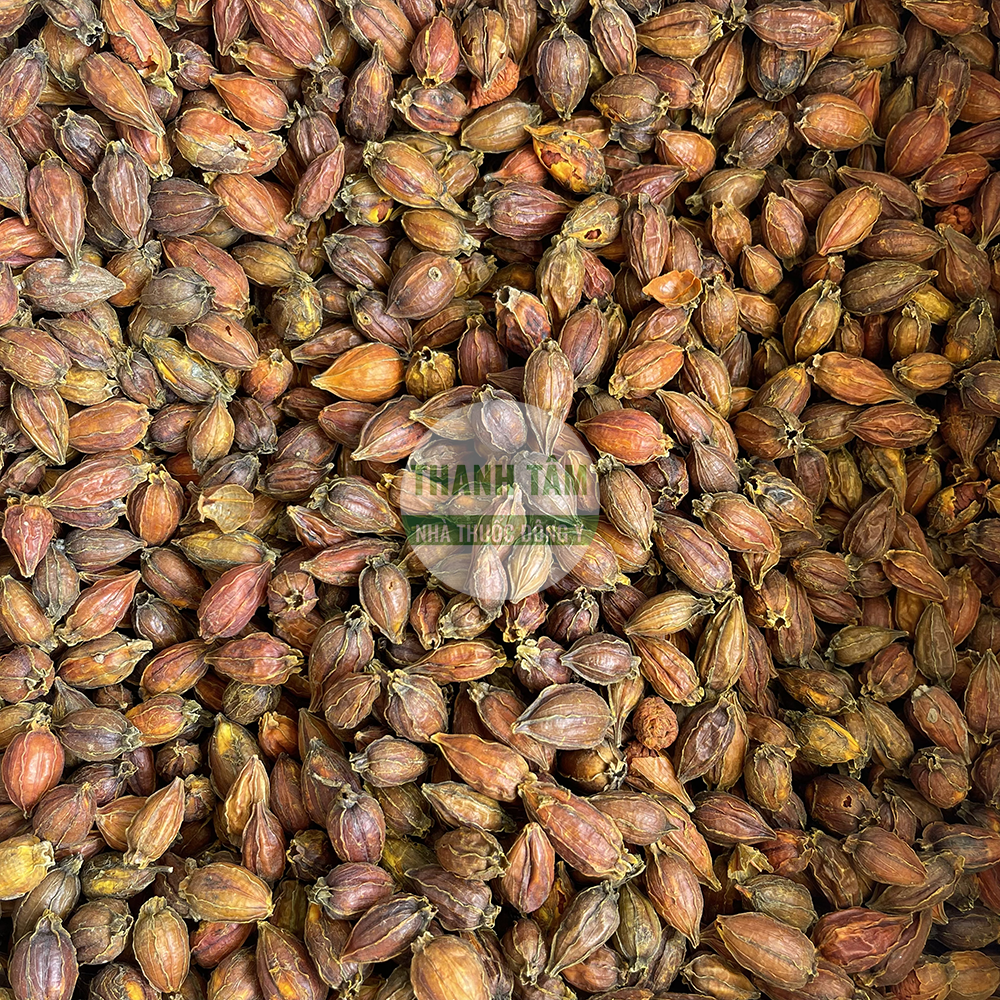
The dried fruit is usually 2–4.5 cm long and 1–2 cm in diameter, orange-yellow to reddish brown, with a retained calyx and many small seeds inside. It has a mild odor and a slightly sour, Bitter taste.
After harvesting, the ripe fruits are cleaned and dried. Depending on use, they may also be lightly stir-fried until yellow-brown or further scorched. Good-quality material should be dry, clean, mold-free, and clearly identified by source.
2. Related names of Gardenia Fruit
Other names: Chi tử, Quả dành dành, Sơn chi tử, Sơn chi, Gardenia Fruit, Cape Jasmine Fruit, Gardenia Berry.
Scientific name: Fructus Gardeniae.
Pinyin name: Zhi Zi.
Chinese name: 栀子.
In herbal trade, Chi tử generally refers to the dried ripe fruit of Gardenia jasminoides Ellis. Medicinal material should come from a reliable Herbal pharmacy with clear botanical identification and proper storage.
3. Flavors, Nature – Meridian
According to the Vietnamese Pharmacopoeia, this herb has a Bitter flavor and a Cold nature. It is traditionally associated with the Heart, Lung, and Triple Burner Meridians.
In TCM theory, Cold herbs are used for Heat patterns, while Bitter herbs are often linked with clearing and draining actions. This helps explain the traditional use of Zhi Zi for clearing Heat, easing restlessness, promoting urination, and cooling the Blood.
Heat, Damp-Heat, and Meridian are TCM concepts and are not direct equivalents of modern medical diagnoses.
4. Benefits of Gardenia Fruit in TCM
Common traditional uses include:
- Clearing Heat and easing restlessness: Often included in formulas for irritability, a sensation of internal Heat, or discomfort linked with Heat patterns.
- Supporting urination: Traditionally considered when urination is reduced, dark, or reddish-yellow in patterns identified as Damp-Heat.
- Cooling the Blood and supporting bleeding control: Used in selected Heat-related bleeding patterns such as nosebleed, vomiting blood, or blood in the stool.
- Supporting jaundice-related Damp-Heat patterns: Commonly combined with herbs that clear Heat and drain Dampness when yellow skin or dark urine fits the traditional pattern.
- External use for swelling and pain: Raw herb preparations may be applied externally in some traditional approaches for traumatic swelling or soreness.
These uses are based on TCM practice. Persistent, severe, or unexplained symptoms require appropriate medical evaluation.
5. How to use and dosage
A commonly referenced dosage in the Vietnamese Pharmacopoeia is 6–9 g daily, usually as a decoction and often combined with other herbs. For external use, an appropriate amount may be prepared under professional guidance.
Lightly stir-fried Zhi Zi is heated until yellow-brown, while the scorched form is darker. These preparations are not always interchangeable.
Using high doses or drinking the herb continuously as a daily tea is not recommended, especially for people with weak digestion or Cold-deficiency patterns.
6. Indications and contraindications
Indications
Traditional references describe use for high fever with restlessness, jaundice, dark or reddish urine, Heat-related bleeding, and red or swollen eyes. Externally, it may be used for swelling or pain after minor trauma.
Contraindications and precautions
People with weakness, Spleen and Stomach Cold-deficiency, poor digestion, loose stools, or diarrhea should avoid unsupervised use. Pregnant or breastfeeding individuals, children, and people taking medication should consult a healthcare professional or Herb doctor first.
Seek medical care promptly for obvious jaundice, persistent fever, vomiting blood, black stools, unusual bleeding, or rapidly worsening symptoms.
7. Reference herbal combinations with Chi tử
- Heat-related restlessness: Classical formulas may combine Chi tử with Dan Dou Chi to clear Heat and ease irritability.
- Jaundice with dark or reddish urine: It may be combined with Oriental Wormwood or other herbs that clear Heat and drain Dampness when the pattern is appropriate.
- Liver and Gallbladder Heat patterns: Long Dan Xie Gan Tang traditionally combines Zhi Zi with Long Dan Cao, Huang Qin, Sài hồ, and Ze Xie.
- Fever, thirst, and restlessness: It may be paired with other Heat-clearing herbs depending on symptoms and constitution.
- Traumatic swelling: Some traditional external methods use powdered raw herb as a topical preparation, while avoiding broken or infected skin.
These combinations are for reference only and should be adjusted according to constitution, symptoms, and professional TCM assessment.
8. Frequently asked questions
- Is Gardenia Fruit the same as gardenia fruit? Yes. The medicinal material is the dried ripe fruit of Gardenia jasminoides Ellis.
- Can I drink it every day to “cool the liver”? Long-term self-use is not recommended. TCM selection depends on the individual pattern, and people with Spleen and Stomach Cold-deficiency or diarrhea should generally avoid it.
- What is the usual daily dosage? A commonly referenced dosage is 6–9 g per day as a decoction. The actual amount may change when used as part of a multi-herb formula.
- Are raw and processed forms the same? Not completely. Raw, stir-fried, and scorched forms may be selected for different traditional purposes.
- How should good-quality material be selected? Choose evenly dried fruits with a natural color, no mold, no unusual odor, no excess moisture, and a clear botanical source.
- Can jaundice be self-treated with this herb? No. Jaundice has many possible causes and requires medical assessment. Herbal medicine does not replace blood tests, imaging, or necessary medical treatment.
👉 Visit Thanh Tam Herbs – a trusted Herbal pharmacy for quality herbs and TCM guidance
Nguồn tham khảo
- Dược điển Việt Nam.
- Lương y Hy Lãn Hoàng Văn Vinh, Cây thuốc vị thuốc Đông y, Nhà xuất bản Hà Nội, 2001.
- Tài liệu, hướng dẫn và thông tin chuyên ngành từ Bộ Y tế.
Rate this article
How useful was this article?
Tác giả bài viết