Oriental Wormwood | Traditional Herbal Medicines
🌿 Oriental Wormwood – A TCM Herb for Clearing Heat, Draining Dampness and Supporting Liver-Gallbladder Health
Oriental Wormwood, also known in TCM as Yin Chen Hao and in Vietnamese as Nhân trần bắc, is a well-known herb used in formulas for clearing heat, draining dampness, supporting bile flow and assisting damp-heat related yellowing. Compared with several ‘Nhân trần’ herbs commonly used in Vietnam, Oriental Wormwood has a bitter taste and a slightly cold nature, making it more suitable for damp-heat accumulation in the Liver and Gallbladder, yellow urine, poor appetite and internal heat.

Oriental Wormwood – a TCM herb for clearing heat and supporting bile flow
- Scientific name / Pinyin / Chinese: Herba Adenosmatis caerulei / Yin Chen Hao / 茵陈蒿
- Nature, taste and meridians: Bitter, slightly spicy, slightly cold – commonly associated with the Liver, Gallbladder, Spleen and Stomach meridians
- Main uses: Clears heat, drains dampness, supports bile flow, promotes urination and aids digestion
- Suggested dosage: 6–15 g per day, decocted or used in herbal formulas under proper guidance
1. Origin and description
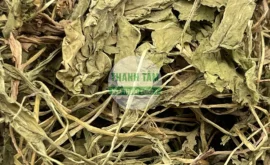
Oriental Wormwood usually refers to the young above-ground parts, or sometimes the whole plant, harvested, cleaned, then sun-dried or gently dried for herbal use. The plant belongs to the Asteraceae family. It often grows as a small herbaceous shrub, with many branches and finely divided leaves that look softer and more delicate than many southern Vietnamese ‘Nhân trần’ herbs.
The basal leaves are often deeply divided in a feather-like shape, while the leaves become narrower toward the upper part of the plant. The flower clusters are small and grow at branch tips or leaf axils, ranging from pale yellow to yellowish green. When gently crushed, the plant releases the distinctive aromatic scent commonly found in Artemisia herbs.
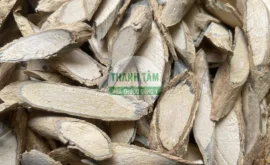
The dried herb is usually greyish green, brownish green or yellowish brown. It has thin stems, small broken leaf pieces, a light fragrance and a clearly bitter taste. Good-quality Oriental Wormwood should be evenly dried, low in impurities and free from moisture or mold.
2. Related names of Oriental Wormwood
Other Vietnamese names: Nhân trần hao, Miên nhân trần, Nhân trần Trung Quốc, Ngải lá kim, Thanh cao chỉ.
Scientific name: Herba Adenosmatis caerulei. Pinyin name: Yin Chen Hao. Chinese name: 茵陈蒿.
In practice, the Vietnamese name ‘Nhân trần’ may refer to several different plants. Therefore, when using it in a formula, it is important to distinguish Oriental Wormwood from southern Nhân trần herbs. Using the wrong species may change the nature, taste and intended direction of the formula.
3. Nature, taste and meridian entry
According to TCM, Oriental Wormwood has a bitter, slightly spicy taste and a slightly cold nature. Its bitter taste helps clear damp-heat, support the movement of bile and reduce the heavy, sluggish feeling often linked with dampness. Its slightly cold nature helps cool the body, making it suitable for internal heat, yellow urine or damp-heat related yellowing.
This herb is commonly associated with the Liver, Gallbladder, Spleen and Stomach meridians. Through the Liver and Gallbladder, it helps clear heat, support bile flow and assist yellowing patterns. Through the Spleen and Stomach, it helps transform dampness, ease bloating, support appetite and improve slow digestion.
4. Benefits of Oriental Wormwood in TCM
Oriental Wormwood is a representative herb in the category of clearing heat and draining dampness. Its main traditional benefits include:
- Clearing heat, draining dampness and helping the body feel cooler.
- Supporting bile flow and assisting damp-heat related yellowing.
- Promoting urination and helping reduce yellow or scanty urine.
- Supporting digestion when poor appetite and bloating are related to damp stagnation.
- Helping ease heaviness in the head and fatigue related to damp-heat.
- Being combined in selected TCM formulas for liver-gallbladder support.
In folk practice, Oriental Wormwood is often decocted or infused as herbal tea to clear heat and support the liver-gallbladder system. However, this herb is not a substitute for medical treatment in liver disease, bile duct obstruction or severe jaundice.
5. How to use Oriental Wormwood and suggested dosage
Oriental Wormwood may be used alone or combined with other herbs. A common reference dosage is 6–15 g of dried herb per day.
- Decoction: Use 6–15 g, rinse briefly, decoct with water and drink in divided servings during the day.
- Herbal tea infusion: Use a small amount, steep with hot water and drink while warm.
- Herbal combinations: It may be used with Gardenia fruit, Rhubarb, Corn silk, Phyllanthus or Artichoke depending on the purpose.
It should not be used as a daily water replacement, especially for people with deficiency-cold patterns, frequent abdominal coldness, diarrhea or low blood pressure.
6. Indications and contraindications
Indications
Oriental Wormwood is traditionally used for damp-heat related yellowing, yellow urine, scanty urination, internal heat, fullness under the ribs, poor appetite, indigestion and fatigue related to damp-heat.
Contraindications
People with Spleen and Stomach deficiency-cold, abdominal coldness, long-term diarrhea, pregnant women, young children or those taking medication for liver or gallbladder conditions should consult a qualified Herb doctor before use. If there is obvious jaundice, severe abdominal pain, high fever or dark urine, seek medical care promptly.
7. Reference herbal combinations with Nhân trần bắc
- Damp-heat related yellowing: Oriental Wormwood + Gardenia fruit + Rhubarb.
- Yellow urine and internal heat: Oriental Wormwood + Corn silk + Plantago herb.
- Liver-gallbladder support: Oriental Wormwood + Phyllanthus + Artichoke.
- Bloating and poor appetite: Oriental Wormwood + Dried tangerine peel + Amomum fruit.
- Damp-heat with itchy skin: Oriental Wormwood + Smilax glabra + Honeysuckle flower.
These combinations are for reference only and should be adjusted according to the individual’s body condition.
8. Frequently asked questions
- Is Oriental Wormwood the same as Purple Adenosma?
Not exactly. Oriental Wormwood is commonly associated with Yin Chen Hao, while Purple Adenosma is a different herb with its own aroma, botanical features and traditional uses. - Is Oriental Wormwood good for the liver?
In TCM, this herb is often used to clear heat, support bile flow and assist the liver-gallbladder system. It does not replace medical treatment. - Can I drink Oriental Wormwood every day?
It is not recommended to drink a strong infusion or use it continuously for a long time. It should be used in short courses and matched to body constitution. - Does Oriental Wormwood support urination?
Yes. It is traditionally used when urine is yellow or scanty due to damp-heat.
👉 Thanh Tam Herbs – A trusted Herbal pharmacy in Cho Lon
Nguồn tham khảo
- Dược điển Việt Nam.
- Lương y Hy Lãn Hoàng Văn Vinh, Cây thuốc vị thuốc Đông y, Nhà xuất bản Hà Nội, 2001.
- Tài liệu, hướng dẫn và thông tin chuyên ngành từ Bộ Y tế.
Rate this article
How useful was this article?
Tác giả bài viết