Lotus Petals | Traditional Herbal Medicines
🌿 Lotus Petals – A TCM Herb for Clearing Heart Heat and Supporting Blood Circulation
Lotus petals are the flower petals of the sacred lotus plant. They are traditionally used in herbal tea and TCM.
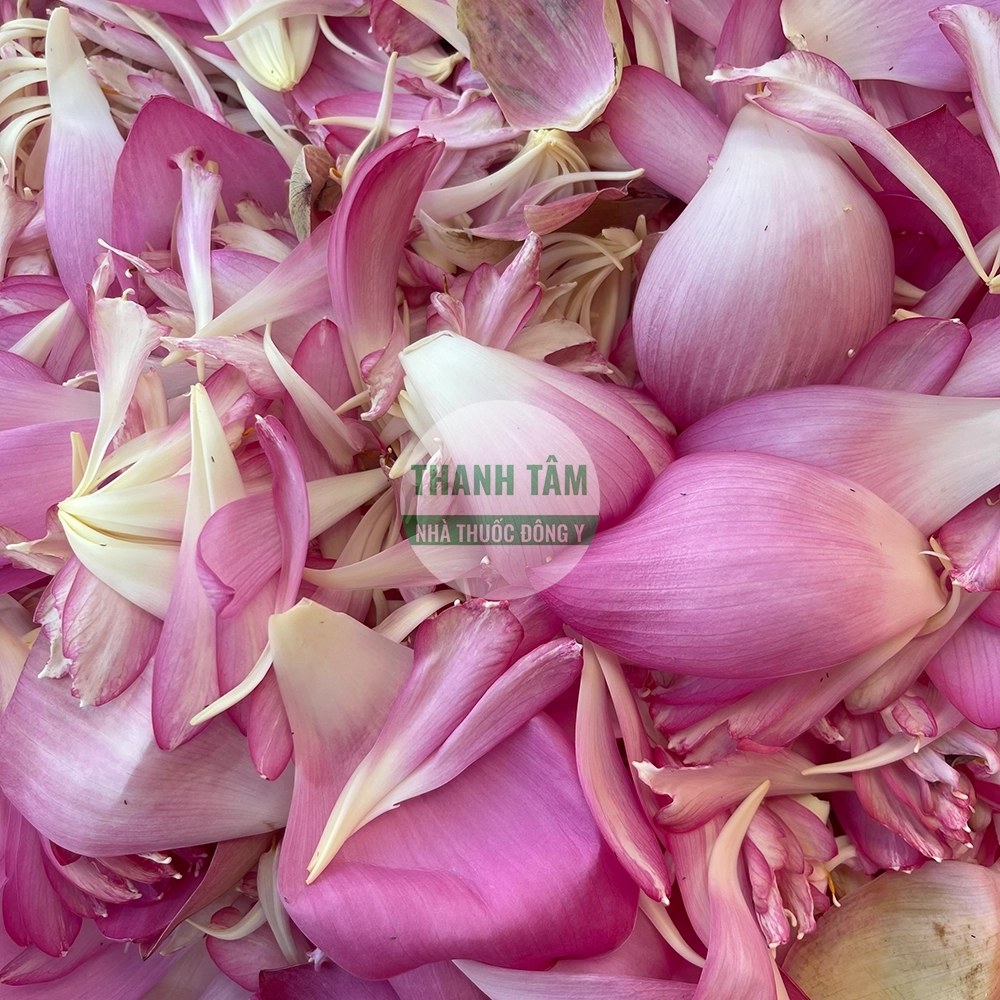
Lotus petals – a TCM herb for clearing Heart heat and supporting blood circulation
- Scientific name / Pinyin / Chinese: Flos Nelumbinis nuciferae / Lian Hua / 莲花
- Flavors, Nature – Meridian: Bitter and Sweet, Neutral – enters the Heart and Liver meridians
- Main benefits: Traditionally used to clear Heart heat, ease heat-related restlessness, support blood circulation, disperse blood stasis, and help control certain types of bleeding.
- Reference dosage: 6–9 g of dried herb daily in a decoction; 1–1.5 g of powder per dose; an appropriate amount for external use.
1. Origin and description
Lotus petals come from the flowers of Nelumbo nucifera Gaertn., a perennial aquatic plant in the Nelumbonaceae family. It grows in ponds and lakes and produces large pink or white flowers.
In classical herbal texts, “Lian Hua” and “He Hua” may refer to the whole flower, dried flower, or flower bud. They are collected in summer and dried in the shade or at low heat.
Dried petals are thin, wrinkled, and light. Colors range from pink-purple to pale yellow. They have a mild fragrance and a slightly bitter, astringent taste. Good-quality material should be clean, fully dry, naturally colored, and free from mold or unusual odors.
2. Related names of Lotus Petals
Other names: Sacred lotus petals, lotus flower petals, Lian Hua, He Hua, Shui Fu Rong, and Fu Qu.
Scientific name: Flos Nelumbinis nuciferae.
Pinyin name: Lian Hua.
Chinese name: 莲花.
This herb should not be confused with Lian Xu, the lotus stamens; Lian Xin, the green plumule; Lian Rou, the seed; Lian Ye, the leaf; or Lian Fang, the seedpod. These parts have different functions and are not interchangeable.
3. Flavors, Nature – Meridian
According to several TCM references, the herb has Bitter and Sweet flavors and a Neutral nature. It mainly enters the Heart and Liver meridians. Some older texts describe it as slightly Warm, so records may vary.
Traditionally, it is used to calm heat-related agitation, support relaxation, regulate blood movement, and reduce stagnation. A Neutral nature does not mean the herb is suitable for unlimited or long-term use. Dosage should reflect the user’s condition and current medicines.
4. Benefits of Lotus Petals in TCM
Traditional actions include clearing Heart heat, relieving summer heat, moving blood, dispersing stasis, controlling bleeding, and easing damp skin discomfort.
- Easing heat-related restlessness: It may be included in mild summer teas when a person feels warm, irritable, or mentally unsettled.
- Supporting relaxation: Its delicate fragrance may create a calming tea experience, but it is not a proven treatment for insomnia.
- Supporting blood circulation: In TCM theory, dispersing blood stasis may be relevant to bruising or localized discomfort.
- Helping control bleeding: Classical texts mention selected bleeding patterns. Unexplained, heavy, or persistent bleeding needs prompt medical evaluation.
- External use: Fresh flowers have been used traditionally on itchy or damp skin. Do not apply them to open wounds, burns, or infected areas.
Lotus flowers contain flavonoids and phenolic compounds, but clinical evidence specifically evaluating the petals remains limited. Traditional use is not proof of medical effectiveness.
5. How to use and dosage
The herb may be prepared as a decoction, infused as tea, ground into powder, or used externally. A commonly referenced amount is 6–9 g of dried material per day in a decoction. Powdered products may be used at approximately 1–1.5 g per dose. The appropriate amount depends on health status and the formula used.
- Decoction: Rinse briefly, simmer in water, and divide the prepared liquid into several servings.
- Herbal tea: Infuse a small quantity in hot water. Do not use it as a long-term replacement for plain water.
- Powder: Choose a clearly labeled product with reliable sourcing and dosage instructions.
- External use: Do not apply to active bleeding, infected skin, burns, or broken skin.
Do not use material that is moldy, discolored, sour-smelling, or collected from polluted water. Poor-quality aquatic herbs may contain microbes, parasites, or pollutants.
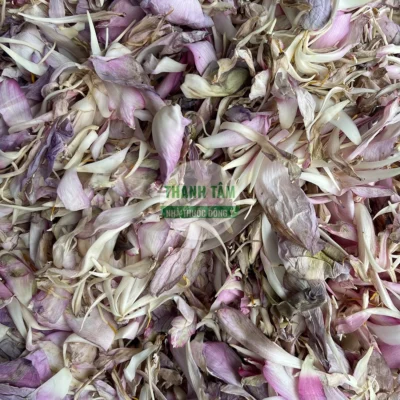
Dried lotus petals supplied by Thanh Tam Herbs
6. Indications and contraindications
Indications
In TCM, the herb may be considered for heat-related restlessness, bruising associated with blood stasis, and selected bleeding patterns involving stagnant blood. References also describe external use for itchy or damp skin. Consult a qualified Herb doctor.
Contraindications and precautions
Do not self-treat vomiting blood, blood in the urine, heavy uterine bleeding, bleeding after injury, or any unexplained hemorrhage with this herb. These symptoms may be medical emergencies.
Pregnant or breastfeeding women, young children, people with bleeding disorders or low blood pressure, and anyone taking anticoagulants, antiplatelet medicines, or blood-pressure-lowering drugs should consult a doctor. Stop use if rash, dizziness, nausea, or stomach discomfort occurs.
7. Reference herbal combinations with Cánh sen
- Heat-related restlessness: Cánh sen may be combined with bamboo leaves and Ophiopogon root under professional guidance.
- Difficulty relaxing: It may be paired with passionflower or jasmine in a mild tea.
- Bruising: An Herb doctor may combine it with blood-invigorating herbs after serious injury has been ruled out.
- Bleeding associated with blood stasis: Classical formulas may pair the flower with lotus rhizome or hemostatic herbs, but individualized prescription is required.
- Itchy or damp skin: Some references combine it with herbs that clear dampness for an external wash. Do not use on scratched or infected skin.
These are educational references, not prescriptions, and do not replace professional care.
8. Frequently asked questions
- Are Lian Hua and Lian Xu the same?
No. Lian Hua refers to the lotus flower or petals, while Lian Xu refers to the stamens. Their traditional uses differ. - Can this herb improve sleep?
It may be used in a relaxing tea, but evidence is insufficient to consider it an insomnia treatment. - Can I drink lotus flower tea every day?
Daily long-term use is not recommended without guidance. - Can it stop bleeding?
TCM texts describe a hemostatic action for certain patterns, but it must never delay emergency care. - How should dried petals be selected?
Choose naturally colored, gently fragrant, fully dried material that is clean, mold-free, and traceable. - Can fresh petals be brewed as tea?
Use properly prepared flowers from a safe source, never polluted water.
👉 Visit Thanh Tam Herbs – a trusted Herbal pharmacy for quality TCM herbs and professional guidance.
Nguồn tham khảo
- Dược điển Việt Nam.
- Lương y Hy Lãn Hoàng Văn Vinh, Cây thuốc vị thuốc Đông y, Nhà xuất bản Hà Nội, 2001.
- Tài liệu, hướng dẫn và thông tin chuyên ngành từ Bộ Y tế.
Rate this article
How useful was this article?
Tác giả bài viết