Indian trumpet tree bark | Traditional Herbal Medicines
🌿 Indian trumpet tree bark – A TCM herb for clearing heat and draining dampness
Indian trumpet tree bark, known in Vietnam as Hoàng bá nam or Núc nác bark, is the dried stem bark of Oroxylum indicum. In TCM practice, it is traditionally used to clear heat, drain dampness, and support relief from jaundice, itchy rashes, sore throat, and painful urination associated with damp heat.
Indian trumpet tree bark – a TCM herb for clearing heat and draining dampness
- Scientific name / Pinyin / Chinese: Cortex Oroxyli indici / Mu Hu Die / 木蝴蝶
- Flavors, Nature – Meridian: Bitter, Cold – Bladder and Spleen Meridians
- Main benefits: Clears heat, drains dampness, and helps ease itchy rashes, sore throat, jaundice, and painful urination related to damp heat.
- Reference dosage: 8–16 g of dried bark per day as a decoction; 2–3 g per day in powdered form.
1. Origin and description
Indian trumpet tree bark is the dried stem bark of Oroxylum indicum (L.) Kurz, a tree in the trumpet-vine family (Bignoniaceae). The species grows in open forests, along streams, and in mountainous areas across parts of tropical and subtropical Asia, including Vietnam.
The tree is tall and usually has few branches. Its large compound leaves grow opposite each other. Reddish-purple flowers form in clusters, while long, flat fruits hang like swords and contain many thin, winged seeds.
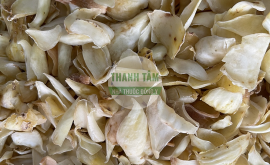
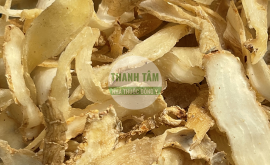
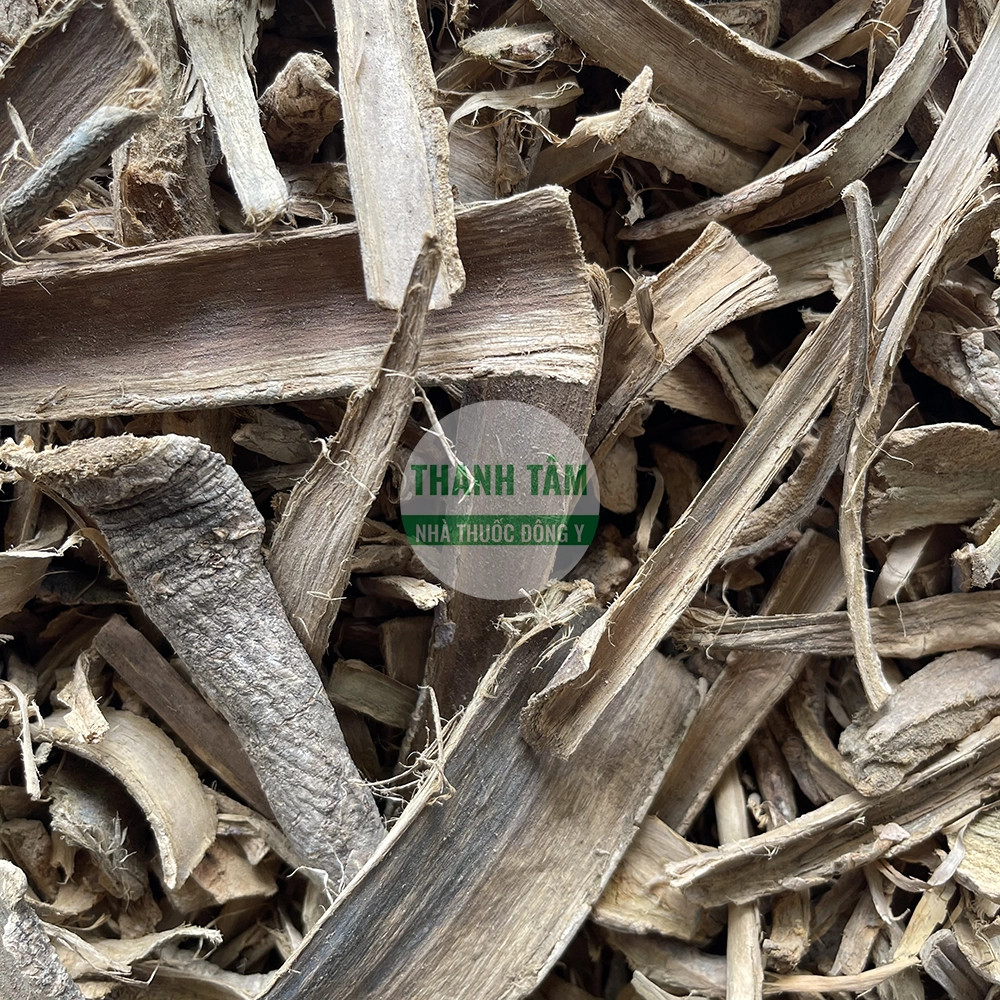
The outer bark is greyish brown, while the inner surface is pale yellow and strongly Bitter. After harvesting, the cork may be removed before the bark is washed, sliced, and dried. Good material should be clean, dry, mold-free, and distinctly Bitter.
2. Related names of Indian trumpet tree bark
Other names: Hoàng bá nam, Núc nác bark, Nam hoàng bá, Ngúc nác, So đo thuyền, Indian trumpet tree bark, and midnight-horror tree bark.
Scientific drug name: Cortex Oroxyli indici.
Pinyin name: Mu Hu Die.
Chinese name: 木蝴蝶.
Do not confuse this bark with Huang Bai from the genus Phellodendron. In Chinese herbal practice, Mu Hu Die usually means the winged seeds, while Vietnamese Hoàng bá nam mainly means the stem bark. Confirm the plant part before use.
3. Flavors, Nature – Meridian
In TCM, Núc nác bark is described as Bitter and Cold, entering the Bladder and Spleen Meridians. The Bitter Flavor is traditionally associated with draining excess and drying dampness. Its Cold Nature helps calm heat-related redness, itching, swelling, burning discomfort, and dark or painful urination.
The herb is generally considered more suitable for damp-heat patterns. People with a cold constitution, weak digestion, frequent abdominal pain, or diarrhea caused by cold should not use it without guidance from a Herb doctor.
4. Benefits of Indian trumpet tree bark in TCM
Its main traditional actions are clearing heat and draining dampness. It may help ease yellow skin, dark or cloudy urine, painful urination, red itchy rashes, or other damp-heat signs.
It may also appear in TCM formulas for sore throat, allergic irritation, superficial sores, or eczema that matches a heat or damp-heat pattern.
The bark contains flavonoids such as baicalein, chrysin, and oroxylin A. Preclinical studies have explored anti-inflammatory, antioxidant, and antimicrobial activity, but the bark cannot replace treatment for infection, liver disease, urinary disease, or serious skin conditions.
5. How to use and dosage
Indian trumpet tree bark is commonly prepared as a decoction or powder. Dosage depends on the preparation, formula, and constitution.
- Decoction: Use 8–16 g of dried bark per day. Rinse it briefly, simmer it in water, and divide the liquid into the recommended servings.
- Powder: A reference amount is 2–3 g per day. Do not increase the dose because the herb has a strongly Bitter Flavor and Cold Nature.
- External use: A decoction may be used to wash mildly itchy skin. Do not apply it to deep wounds, severe infections, large areas of broken skin, or sensitive tissues.
- Herbal combinations: It may be combined with purple capillary artemisia, gardenia fruit, plantain seed, honeysuckle flower, forsythia fruit, or schizonepeta.
Do not drink the decoction instead of water or use it long term without professional guidance.
6. Indications and contraindications
Indications
Traditional monographs use the bark for jaundice, allergic itching, sore throat, painful or cloudy urination, reddish urine, rashes, and heat-related dermatitis.
Contraindications
People with deficiency-cold, abdominal pain, bloating, poor appetite, or diarrhea should avoid it. Pregnant or breastfeeding women, children, and people with liver or kidney disease should seek professional advice.
Stop taking the herb if rash, breathing difficulty, severe abdominal discomfort, vomiting, or persistent diarrhea occurs. Seek medical care for sudden jaundice, red urine, high fever, pain below the ribs, blood in the urine, or a sore throat that does not improve.
7. Reference herbal combinations with Hoàng bá nam
- Jaundice and dark urine caused by damp heat: Hoàng bá nam may be combined with purple capillary artemisia, gardenia fruit, and plantain seed.
- Itchy or allergic skin irritation: It may be paired with schizonepeta, honeysuckle flower, and wedelia.
- Swollen and painful throat: It may be combined with honeysuckle flower, forsythia fruit, and figwort root.
- Painful or cloudy urination: It may be paired with plantain seed, corn silk, and cogon grass rhizome.
These combinations are references only. Dosage and herb selection should reflect age, constitution, symptoms, and cause.
8. Frequently asked questions
- Is Indian trumpet tree bark the same as Huang Bai?
No. Hoàng bá nam is Núc nác bark, while standard Huang Bai is obtained from trees in the genus Phellodendron. - Are Núc nác bark and seeds used in the same way?
Not completely. The bark is traditionally used mainly to clear heat and drain dampness, while the winged seeds are more often associated with the throat, cough, and hoarseness. - Can the bark cure hepatitis?
No clinical evidence supports using it as a cure. Jaundice may indicate hepatitis or another serious condition and requires medical testing. - Can it be taken every day?
Long-term unsupervised use is not recommended, especially for people with abdominal coldness, diarrhea, or poor appetite. - How can good-quality bark be identified?
Choose clean, dry bark slices with a pale-yellow inner surface, a strongly Bitter taste, no mold, no insect damage, and a traceable source.
👉 Thanh Tam Herbs – A trusted Herbal pharmacy for carefully selected medicinal herbs
Nguồn tham khảo
- Dược điển Việt Nam.
- Lương y Hy Lãn Hoàng Văn Vinh, Cây thuốc vị thuốc Đông y, Nhà xuất bản Hà Nội, 2001.
- Tài liệu, hướng dẫn và thông tin chuyên ngành từ Bộ Y tế.
Rate this article
How useful was this article?
Tác giả bài viết