Fresh rehmannia root | Traditional Herbal Medicines
🌿 Fresh Rehmannia Root: A TCM Herb for Clearing Heat, Nourishing Yin, and Supporting Blood
Fresh rehmannia root, known in Pinyin as Sheng Di Huang, is an important herb in TCM. It is traditionally used to clear Heat, nourish Yin, cool the Blood, generate body fluids, and support recovery after illness. It is often considered for people who experience internal Heat, dry mouth, thirst, weakness, or signs associated with Blood and Yin deficiency.
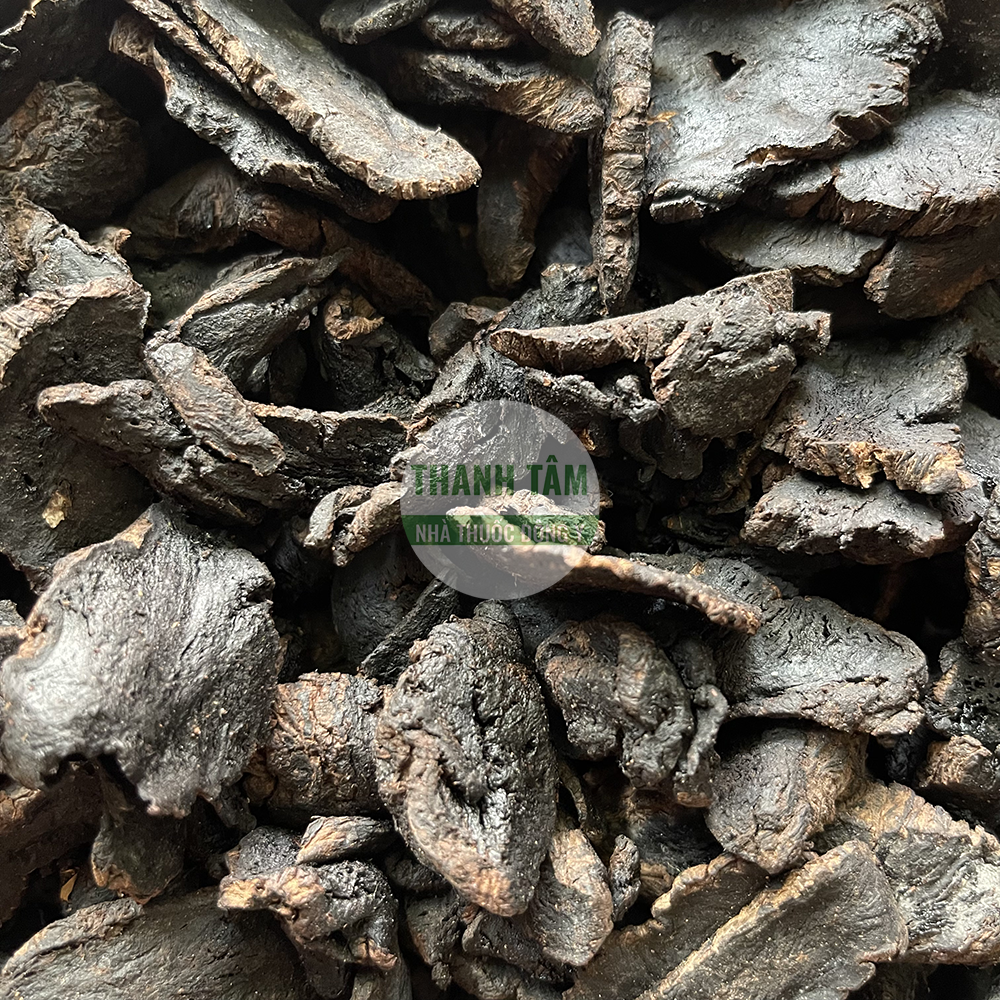
Fresh rehmannia root is traditionally used in TCM to clear Heat, cool the Blood, and nourish Yin.
- Scientific name / Pinyin / Chinese: Rehmannia glutinosa / Sheng Di Huang / 生地黄
- Flavors, Nature – Meridian: Sweet and slightly Bitter flavors, Cool nature – enters the Heart, Liver, and Kidney Meridians
- Main benefits: Traditionally used to clear internal Heat, cool the Blood, nourish Yin, relieve dryness, and support recovery
- Reference dosage: 10–20 g per day
1. Origin and description
Fresh rehmannia root comes from Rehmannia glutinosa, a perennial herb cultivated mainly in China and selected cooler regions of Vietnam. The root may be used fresh or lightly dried, depending on the preparation.
The root is thick, soft, and naturally moist. Its exterior is dark brown to black, while the inside is brownish, glossy, and slightly sticky. After harvesting, it is cleaned, sliced, and used fresh or dried gently.
It differs from Prepared rehmannia root, which is processed and used more strongly to nourish Blood and Kidney essence. Sheng Di Huang retains a clearer cooling action.
2. Related names of Fresh Rehmannia Root
Common English names: Fresh rehmannia root, raw rehmannia root, Chinese foxglove root
Vietnamese names: Sinh địa, sinh địa hoàng, càn địa hoàng, sán tì
Scientific name: Rehmannia glutinosa
Pinyin: Sheng Di Huang
Chinese name: 生地黄
Sheng Di Huang refers to raw or unprepared rehmannia. It should not be confused with Shu Di Huang, the processed form, because their traditional properties and applications differ.
3. Flavors, Nature – Meridian
According to TCM, Sheng Di Huang has Sweet and slightly Bitter flavors and a Cool nature. The Sweet flavor nourishes Yin and fluids, while the Bitter flavor and Cool nature clear Heat and cool the Blood.
It mainly enters three Meridians:
- Heart Meridian: Traditionally used to cool the Blood and ease restlessness caused by Heat.
- Liver Meridian: Traditionally used to support Blood and relieve Heat, dryness, or irritability.
- Kidney Meridian: Traditionally used to nourish Kidney Yin, generate fluids, and support recovery.
Because the herb is cooling and moistening, it may not be appropriate for people with weak, Cold digestion, abdominal discomfort after cold foods, or persistent loose stools.
4. Benefits of Fresh Rehmannia Root in TCM
Fresh rehmannia root is used in formulas that clear Heat while protecting body fluids. Its traditional benefits include:
- Clearing Heat and cooling the Blood: Considered when Heat is accompanied by thirst, dry mouth, restlessness, or warmth.
- Nourishing Yin: May support dryness, thirst, or tiredness after illness or internal Heat.
- Generating body fluids: Frequently included in formulas for dry mouth, dry throat, or reduced natural fluids.
- Supporting Blood: Used in selected patterns involving pale complexion, dry skin, or weakness.
- Easing restlessness: May help when Heat or Yin deficiency contributes to irritability or poor sleep.
- Supporting recovery: Traditionally used during recovery when weakness is accompanied by thirst, dryness, or lingering Heat signs.
These uses are based on TCM principles and do not replace medical diagnosis. Persistent fever, anemia, unexplained thirst, bleeding, severe fatigue, or prolonged insomnia requires professional evaluation.
5. How to use and dosage
The reference dosage is 10–20 g per day as a decoction. Fresh material and extracts may require different amounts. A Herb doctor should adjust the dosage to the person and formula.
- Herbal decoction: Simmer sliced root with water and combine it with herbs selected for the individual pattern.
- Fresh preparation: Fresh root may be used in specific cooling formulas under professional guidance.
- Herbal combinations: It is often paired with red sage root, figwort root, or ophiopogon root in Yin-nourishing and Heat-clearing formulas.
- Short treatment course: It is usually used for a defined period rather than as an unrestricted daily tonic.
People with weak digestion should begin cautiously. Store dried slices in an airtight container away from humidity and sunlight. Discard material with mold, insects, sour odor, or excessive moisture.
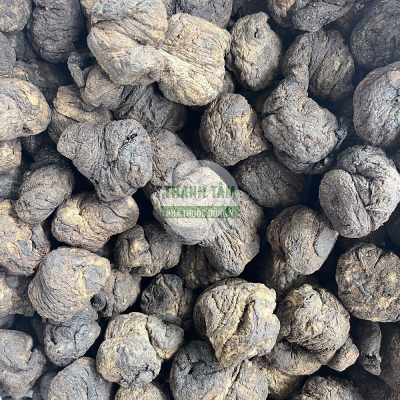
Whole fresh rehmannia root available from Thanh Tam Herbs.
6. Indications and contraindications
Traditional indications
- Internal Heat accompanied by dry mouth, thirst, or a warm sensation
- Yin deficiency with dryness, fatigue, or restlessness
- Pale complexion, dry skin, or weakness associated with selected Blood deficiency patterns
- Lingering mild Heat and reduced body fluids during recovery
- Weakness after illness when cooling and nourishing support is appropriate
Contraindications and precautions
- Use cautiously in people with Spleen and Stomach deficiency-Cold, frequent abdominal coldness, or poor tolerance of cooling herbs.
- Avoid self-use in people with persistent diarrhea, loose stools, or abdominal bloating caused by Cold.
- Do not use high doses for long periods without guidance from a Herb doctor.
- Pregnant or breastfeeding individuals, children, and people taking prescription medicines should obtain professional advice before use.
7. Reference herbal combinations with Sinh địa
These traditional combinations are not fixed prescriptions. A Herb doctor should determine the ingredients and dosages.
- For clearing Heat and nourishing Blood: Fresh Rehmannia Root with red sage root and figwort root.
- For nourishing Yin and generating fluids: Fresh Rehmannia Root with Ophiopogon root and Glehnia root.
- For relieving dry mouth: Sheng Di Huang with Solomon’s seal rhizome and Goji berries.
- For recovery after illness: Sheng Di Huang with prepared rehmannia root and Dong quai.
8. Frequently asked questions
How is Sheng Di Huang different from Shu Di Huang?
Sheng Di Huang is raw and cooling, so it is mainly used to clear Heat, cool the Blood, and nourish Yin. Shu Di Huang is processed and more strongly associated with nourishing Blood and Kidney essence.
Can fresh rehmannia root be used every day?
It is generally used for a defined course. Long-term use may be too cooling or difficult to digest for some people.
Can people with a sensitive stomach use it?
People who often feel cold in the abdomen, experience bloating, or have loose stools should use it cautiously and only with appropriate guidance.
How can I identify good-quality material?
Choose clean, dense pieces with a dark exterior, slightly glossy interior, and no mold. Avoid sour odor, insect damage, excessive stickiness, or spoilage.
Visit Thanh Tam Herbs, a trusted Herbal pharmacy offering carefully sourced herbs and practical guidance for everyday wellness.
Nguồn tham khảo
- Dược điển Việt Nam.
- Lương y Hy Lãn Hoàng Văn Vinh, Cây thuốc vị thuốc Đông y, Nhà xuất bản Hà Nội, 2001.
- Tài liệu, hướng dẫn và thông tin chuyên ngành từ Bộ Y tế.
Rate this article
How useful was this article?
Tác giả bài viết