Solomon’s Seal | Traditional Herbal Medicines
🌿 Solomon’s Seal – A Gentle Yin-Nourishing Herb for Dryness, Lung Comfort and Skin Support in TCM
Solomon’s Seal, known as Yu Zhu in TCM, is a valued herb traditionally used to nourish yin, moisten the Lung, generate fluids and ease dryness-related thirst. It is often appreciated as a gentle beauty-supporting herb because it helps the body maintain moisture, especially when dryness, heat, fatigue or recovery after illness affects the skin, throat and overall comfort.
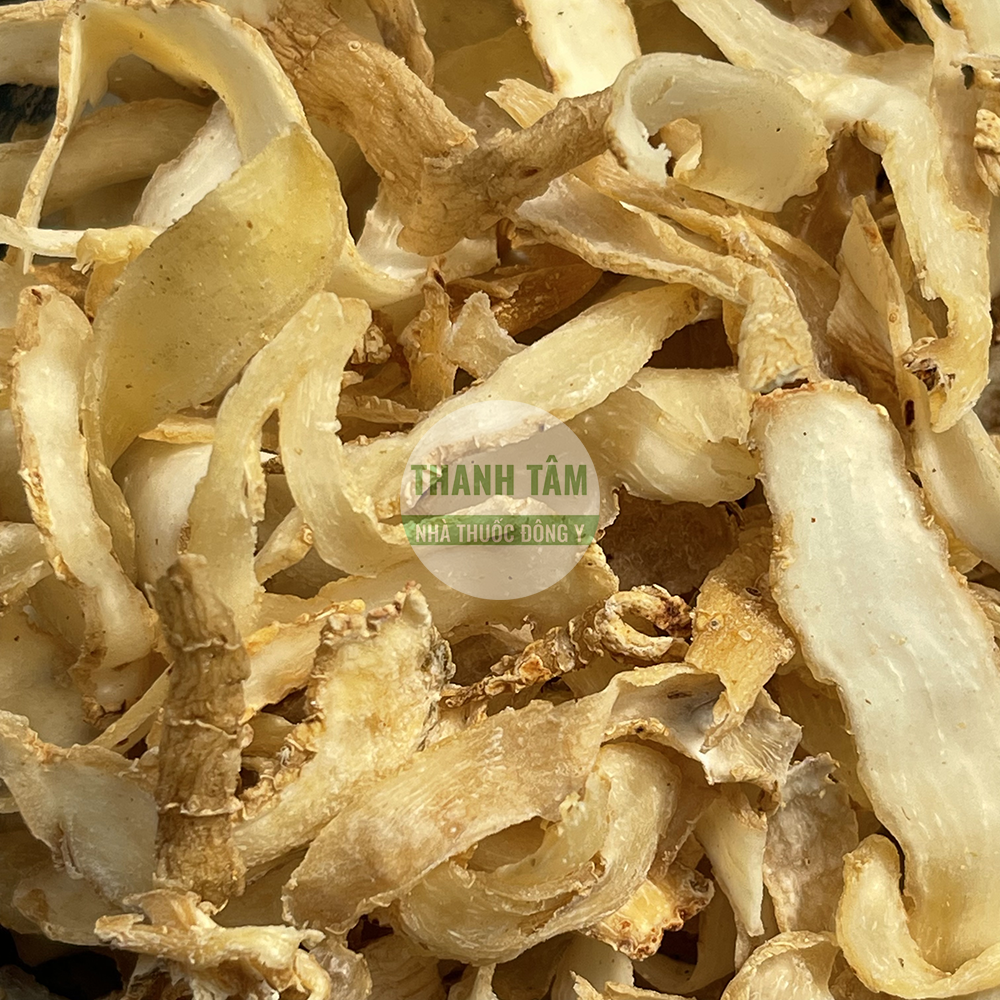
Solomon’s Seal – a yin-nourishing herb for dryness and skin support
- Scientific name / Pinyin / Chinese: Polygonatum odoratum / Yu Zhu / 玉竹
- Natures, flavors and meridian entry: Sweet and Neutral – enters the Lung and Stomach meridians
- Main uses: Nourishes yin, moistens the Lung, generates fluids, eases thirst, supports skin moisture and may support healthy blood sugar balance in suitable patterns
- Suggested dosage: 6–15 g per day, usually decocted or cooked in soup
1. Origin and description
Solomon’s Seal is the dried rhizome of the Yu Zhu plant, commonly recorded as Polygonatum odoratum. It belongs to the Liliaceae family and grows wild or is cultivated in cool, moist mountain regions, including northern areas such as Lao Cai, Ha Giang and Cao Bang.
The rhizome is cylindrical, slightly curved and light yellow on the surface. It has a clean Sweet taste and a mildly chewy texture when bitten. After harvest, the rhizomes are washed, dried or gently processed for herbal use or nourishing foods. Good quality pieces are dry but not overly brittle, lightly glossy, naturally Sweet and free from mold or sour odor.
2. Related names of Solomon’s Seal
Solomon’s Seal is also known in Vietnamese as Nhục trúc, Liên trúc, Tây trúc, Ủy nhụy, Mã luân, Dưỡng trúc, Nữ trúc, Củ trúc, Uy sâm or Vĩ sâm.
Scientific name: Polygonatum odoratum. Pinyin name: Yu Zhu. Chinese name: 玉竹.
The name Ngọc trúc is often explained by the plant’s bamboo-like leaves and bright, jade-like appearance. Because related Polygonatum herbs can look similar, correct identification and clean processing are important. Thanh Tam Herbs selects well-dried Yu Zhu with clear origin for herbal formulas and tonic soups.
3. Natures, flavors and meridian entry
According to TCM, Solomon’s Seal has a Sweet flavor and Neutral nature. The Sweet flavor helps nourish and moisten, while the Neutral nature means it is neither too Cold nor too Hot. This makes Yu Zhu useful when the body needs gentle nourishment without heavy or greasy tonification.
Yu Zhu enters the Lung and Stomach meridians. The Lung is related to the throat, breathing, skin and moisture distribution. The Stomach is related to fluids, appetite and digestion. For this reason, the herb is commonly used for dry cough, dry throat, thirst, mild internal heat after illness and skin dryness related to yin and fluid deficiency.
4. Benefits and traditional actions of Solomon’s Seal in TCM
Solomon’s Seal is considered a gentle yin-nourishing herb. In simple terms, it helps replenish moisture and calm dryness without strongly cooling the body. Common traditional actions include:
- Nourishes yin and moistens the Lung: Used for dry cough, dry throat or thirst related to yin deficiency or dry weather.
- Generates fluids and eases thirst: Often used when body fluids are reduced after illness, overwork or heat exposure.
- Supports skin moisture: Traditionally used in beauty-supporting soups to help dry, dull or tired-looking skin regain softness.
- Supports recovery: May be combined with qi-tonifying herbs when fatigue and dryness appear together.
- Supports metabolic balance: Some modern herbal discussions mention its use in formulas for mild thirst patterns and healthy blood sugar support, but it should not replace medical treatment.
This herb is best used when dryness and yin deficiency are present, not when digestion is blocked by dampness or cold.
5. How to use Yu Zhu and suggested dosage
Solomon’s Seal is commonly used as a decoction, tea, porridge ingredient or soup herb. A common reference dosage is 6–15 g per day, depending on the formula and constitution.
- Decoction: Often combined with Ophiopogon Root or Rehmannia to nourish yin and soothe dry cough.
- Porridge: Cooked with plain rice to support recovery after illness and restore fluids gently.
- Herbal tea: May be steeped with Goji Berry and Licorice Root for thirst, dryness and daily skin support.
- Tonic soup: Can be added to chicken soup or yin-nourishing dessert soups.
Avoid very high doses or long-term use without guidance, especially when bloating, loose stools or cold digestion is present.
6. Indications and contraindications
Indications
In TCM, Solomon’s Seal is commonly used for dry cough, dry throat, thirst, yin deficiency after illness, mild internal heat, fluid loss, dry skin, early aging signs related to dryness, and fatigue with insufficient fluids.
Contraindications
People with diarrhea due to Spleen and Stomach deficiency-cold, cold abdomen, frequent bloating or heavy dampness should use caution. Avoid combining it carelessly with overly Cold herbs during a cold or flu. Excessive use may cause mild fullness or bloating. Pregnant women, children and people with chronic disease should consult a Herb doctor before use.
7. Reference herbal combinations with Ngọc trúc
- Nourishing chicken soup: Chinese Yam, Codonopsis Root, Astragalus Root, Lotus Seed, Yu Zhu, Prepared Rehmannia, Dong Quai head, Chuan Xiong, Angelica Dahurica Root, Eucommia Bark, Goji Berry and Red Jujube.
- Sam Bo Luong-style tonic soup: Chinese Yam, Codonopsis Root, Lily Bulb, Yu Zhu, Euryale Seed, Longan Aril, Goji Berry, Lotus Seed, Astragalus Root and Red Jujube.
- Eye redness wash in classical use: Yu Zhu + Red Peony Root + Dong Quai + Coptis, prepared externally under professional guidance.
- Sweet cooling drink: Dried Yu Zhu with mint, fresh ginger and a small amount of honey, traditionally taken warm for dryness and eye discomfort.
- Skin-supporting chicken soup: Yu Zhu + Astragalus Root + Codonopsis Root, used as a nourishing soup for strength and skin moisture.
These combinations are for reference only and should not replace a prescription from a Herb doctor.
8. Frequently asked questions
- Can Solomon’s Seal be used every day?
It may be used in moderate amounts, such as 6–9 g per day, when the body has dryness or yin deficiency and digestion is suitable. - How is Yu Zhu different from Chinese Yam or Atractylodes?
Yu Zhu nourishes yin and moisture, while Chinese Yam supports the Spleen and Atractylodes strengthens the Spleen and dries dampness. - Can it be combined with honey?
Yes, in suitable cases, honey may support the moistening effect, soothe the throat and make herbal tea easier to drink.
👉 Thanh Tam Herbs – A trusted Herbal pharmacy for quality TCM herbs in District 5
Nguồn tham khảo
- Dược điển Việt Nam.
- Lương y Hy Lãn Hoàng Văn Vinh, Cây thuốc vị thuốc Đông y, Nhà xuất bản Hà Nội, 2001.
- Tài liệu, hướng dẫn và thông tin chuyên ngành từ Bộ Y tế.
Rate this article
How useful was this article?
Tác giả bài viết