Stevia Leaf | Traditional Herbal Medicines
🌿 Stevia Leaf – A Naturally Sweet Herb for Sugar Reduction and Everyday Wellness
Stevia Leaf, known as Tian Ye Ju in TCM, is a naturally sweet herb widely used today as a plant-based sweetener. Because its sweetness comes mainly from steviol glycosides and contributes little to no usable energy in typical serving amounts, it is often chosen by people who want to reduce added sugar, manage calorie intake, or support a more balanced diet.
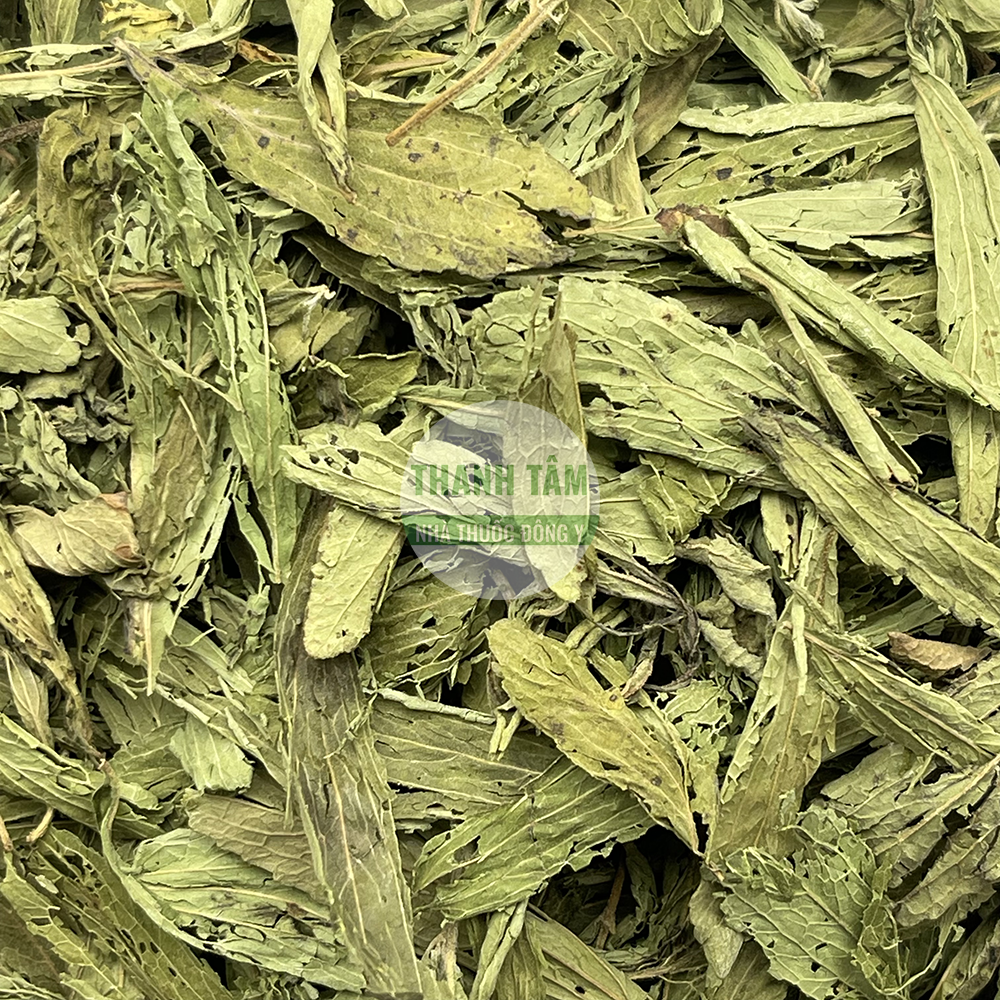
Stevia Leaf – a naturally sweet herb used in TCM and modern diets
- Scientific name / Pinyin / Chinese: Stevia rebaudiana / Tian Ye Ju / 甜叶菊.
- Flavors, Nature – Meridian: Sweet, Cool – Spleen, Lung.
- Main benefits: Provides natural sweetness, helps reduce added sugar intake, gently clears Heat, and soothes the throat.
- Reference dosage: 2–6 g daily, commonly steeped as tea or used in small amounts as a natural sweetener.
1. Origin and description
Stevia Leaf comes from Stevia rebaudiana Bertoni, a perennial herb in the Asteraceae family. The plant is native to South America, especially Paraguay and Brazil.
The plant usually grows about 50–80 cm tall, with slender stems, multiple branches, and oval leaves with lightly serrated edges. The leaves are the main part used as both an herbal ingredient and a natural sweetener.
In Vietnam, stevia is cultivated in many regions because it adapts relatively well to local growing conditions. After harvesting, the leaves are cleaned and dried or gently dehydrated. They may then be used whole in tea, cut into smaller pieces, or ground into powder.
Dried stevia has a light herbal aroma and an intensely Sweet taste. Good-quality material should be dry, clean, naturally green to greenish brown, free from mold, and sourced clearly.
2. Related names of Stevia Leaf
Other names: Cỏ ngọt, Cỏ đường, Cam thảo Nam Mỹ, stevia, sweet leaf, sugar leaf.
Scientific name: Stevia rebaudiana Bertoni.
Pinyin name: Tian Ye Ju.
Chinese name: 甜叶菊.
The herb should not be confused with licorice even though some Vietnamese common names compare its sweetness with licorice. Stevia belongs to a different botanical family and contains different naturally sweet compounds.
3. Flavors, Nature – Meridian
According to modern TCM-style classification, the herb is Sweet in flavor and Cool in nature, and is commonly associated with the Spleen and Lung Meridians.
The Sweet flavor is traditionally connected with harmonizing and soothing functions. Its Cool nature may be used in mild Heat patterns or in herbal drinks intended to refresh the body.
Its relationship with the Spleen reflects its common use as a sweet-tasting ingredient that can make herbal preparations easier to drink. Its Lung association is linked with traditional use in teas for throat dryness or mild irritation.
4. Benefits of Stevia Leaf in TCM and modern use
- Natural sweetness with very low calorie contribution: Stevia can help reduce the amount of table sugar added to tea, herbal drinks, or food.
- Supports lower added-sugar intake: Replacing part of the sugar in the diet with stevia may be useful for people who are limiting sugar or calories.
- Supports blood sugar-friendly choices: Stevia itself contains little available carbohydrate in typical amounts and is commonly used in products designed for people monitoring blood glucose.
- Gently clears Heat and refreshes: Traditionally used in herbal drinks intended to reduce sensations of internal Heat or thirst.
- Soothes the throat: Often added to herbal teas for people who speak frequently or experience mild throat dryness.
Modern research has focused mainly on steviol glycosides, the compounds responsible for the plant’s strong sweetness.
Stevia should not be considered a treatment for diabetes or other metabolic diseases. People with diabetes should continue to follow professional advice regarding diet, medication, and blood glucose monitoring.
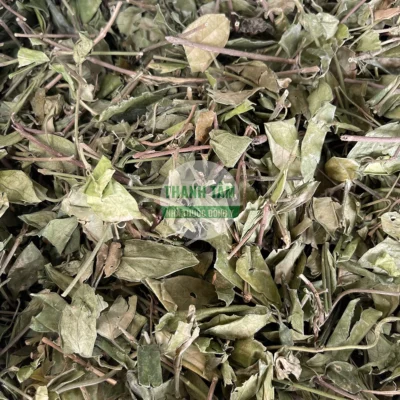
Stevia Leaf herb | Thanh Tam Herbs
5. How to use and dosage
A commonly referenced herbal amount is 2–6 g of dried leaves per day. Because the leaves are very sweet, small quantities are often sufficient.
- Herbal tea: Steep about 2–4 g of dried leaves in hot water and drink according to preference.
- Herbal combinations: May be combined with Luo Han Guo or Gan Cao to make traditional herbal drinks naturally sweeter and easier to consume.
- Natural sweetener: A small amount may be added to tea, beverages, soups, or other foods in place of part of the sugar.
- Storage: Keep tightly sealed in a cool, dry place away from moisture and direct sunlight.
Excessive amounts may create an overly intense or lingering sweet taste.
6. Indications and contraindications
Indications
Stevia Leaf may be useful for people who want to reduce added sugar, control calorie intake, prepare naturally sweet herbal drinks, or soothe mild throat dryness. It is also commonly chosen by people who are managing their dietary sugar intake.
Contraindications and precautions
People with a Spleen-Stomach deficiency-Cold pattern, frequent cold abdominal discomfort, or loose stools should use moderate amounts because the herb is considered Cool.
People taking medication for diabetes or blood pressure should discuss regular or concentrated use with a healthcare professional, especially if they are making major dietary changes.
Stevia should complement, not replace, an appropriate and nutritionally balanced diet.
7. Reference herbal combinations with Cỏ ngọt
- Refreshing herbal drink: May be combined with Luo Han Guo for a naturally Sweet beverage traditionally used during hot weather.
- Throat-soothing tea: May be paired with Gan Cao and Platycodon Root to make an easy-to-drink herbal tea for throat comfort.
- Daily herbal tea: May be combined with Ju Hua and Gou Qi Zi for a mildly Sweet botanical drink.
These combinations are for general traditional reference. The appropriate ingredients and amounts may vary depending on health status and individual needs.
8. Frequently asked questions
- Can Stevia Leaf be used every day? It may be used regularly in modest amounts, such as around 2 g of dried leaves daily, depending on individual preference and tolerance.
- Can it completely replace sugar? It can replace some or all added sugar in certain drinks or recipes, but taste and cooking performance differ from regular sugar.
- Does stevia cause weight gain? Pure stevia contributes little to no usable energy in typical serving amounts, but overall body weight still depends on total diet, calorie intake, activity, and other factors.
- Can people with diabetes use it? It is commonly used as an alternative sweetener, but diabetes management should still follow professional dietary and medical advice.
- How can I choose good-quality material? Choose clean, dry leaves with a natural color, no mold or unusual odor, and clear information about origin and processing.
👉 Visit Thanh Tam Herbs – a trusted Herbal pharmacy for quality herbs and TCM guidance
Nguồn tham khảo
- Dược điển Việt Nam.
- Lương y Hy Lãn Hoàng Văn Vinh, Cây thuốc vị thuốc Đông y, Nhà xuất bản Hà Nội, 2001.
- Tài liệu, hướng dẫn và thông tin chuyên ngành từ Bộ Y tế.
Rate this article
How useful was this article?
Tác giả bài viết