Xao Tam Phan Root | Traditional Herbal Medicines
🌿 Xao Tam Phan Root – A Native Vietnamese Herb Used in Traditional Folk Practice
Xao tam phan root is a native Vietnamese medicinal herb best known in the South Central Coast region. Its roots and stems are traditionally used to support digestion, general vitality, and liver-related wellness. Laboratory research has explored several biological activities, but there is not enough clinical evidence to consider it a treatment for cancer or other serious diseases.

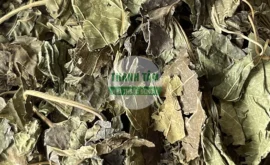
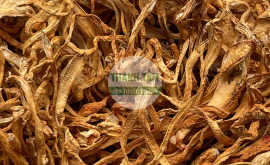
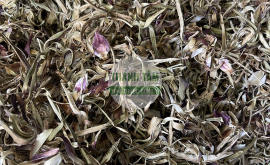
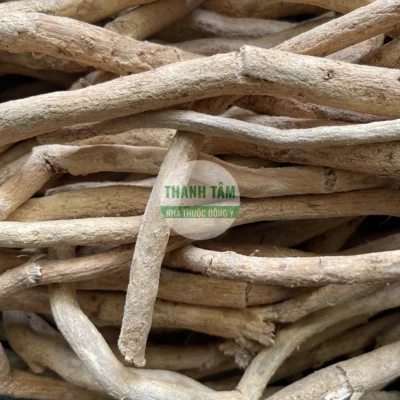
Sliced and dried Xao tam phan root used as a traditional herbal material
- Scientific name / Pinyin / Chinese: Paramignya trimera (Oliv.) Burkill / San Lie Dan Ye Teng Ju / 三裂单叶藤橘
- Flavors, Nature – Meridian: Slightly Bitter with a Sweet aftertaste; neutral Nature – entering the Heart, Liver, Spleen, Lung, Kidney, and Pericardium Meridians
- Main benefits: Traditionally used to support appetite, digestion, general vitality, and liver-related wellness
- Reference dosage: Around 50 g of dried root per day in some folk preparations; this is not a standardized pharmacopoeial dosage
1. Origin and description
Xao tam phan root comes from Paramignya trimera (Oliv.) Burkill, a plant in the Rutaceae family. It is native to Vietnam and is particularly associated with Khanh Hoa and other areas of the South Central Coast.
The plant grows as a woody shrub or climber with yellowish-brown bark, thorny branches, and thick simple leaves. Its roots are yellow-brown outside, deeper yellow inside, and mildly aromatic.
The root is the most commonly used part. After harvesting, it is cleaned, sliced, and dried. Choose correctly identified material from a traceable source to reduce the risk of plant substitution.
2. Related names of Xao tam phan root
Other names: Xáo tam thân, Sáo tam phân, Đơn diệp đằng thích, and, in some local areas, “cây thần xạ.”
Scientific name: Paramignya trimera (Oliv.) Burkill.
Pinyin name: San Lie Dan Ye Teng Ju.
Chinese name: 三裂单叶藤橘.
This plant is especially associated with Vietnamese folk herbal practice. Its traditional reputation should not be interpreted as evidence of proven clinical effectiveness.
3. Flavors, Nature – Meridian
Traditional Vietnamese descriptions characterize the herb as slightly Bitter with a Sweet aftertaste, a mild aroma, and a neutral Nature, meaning it is not strongly classified as Hot or Cold.
Some traditional sources describe it as entering the Heart, Liver, Spleen, Lung, Kidney, and Pericardium Meridians. Meridian terminology belongs to traditional medicine theory and should not be used alone for diagnosis or treatment.
4. Benefits of Xao tam phan root in TCM and Vietnamese folk use
- Supporting digestion: Folk preparations are traditionally used when appetite is poor or the abdomen feels heavy or bloated.
- Supporting liver-related wellness: Preclinical research has investigated possible hepatoprotective activity, but this has not established a treatment effect in humans.
- Supporting a healthy inflammatory response: Several naturally occurring coumarins from the plant have demonstrated anti-inflammatory activity in laboratory or preclinical research.
- Supporting general vitality: In some Vietnamese communities, the decoction is used traditionally by people who feel tired or have a poor appetite.
- Cancer-related research: Extracts have been studied in laboratory cell models, but there is currently insufficient clinical evidence to claim that the herb prevents, treats, or cures cancer.
Because human safety and efficacy data remain limited, it should be regarded as a supportive traditional herb rather than a specific treatment for serious disease.
5. How to use and dosage
A common traditional preparation uses approximately 50 g of dried root with about two liters of water, simmered until roughly one liter remains and divided throughout the day.
- Decoction: Rinse the dried slices briefly, add water, and simmer gently.
- Light roasting before decoction: Some traditional preparations lightly roast the root until aromatic before boiling.
- Do not increase the dose unnecessarily: A darker or more concentrated decoction does not mean better results.
- Storage: Keep the dried herb in a sealed, dry place away from humidity, mold, and insects.
The 50 g daily amount comes from folk practice, not an established clinical dose. People with chronic illnesses or regular medication should seek professional advice before use.
Xao tam phan medicinal root | Thanh Tam Herbs
6. Indications and contraindications
Traditional indications
In Vietnamese folk practice, Xao tam phan root is referenced for poor appetite, digestive discomfort, fatigue, and liver-related support. Liver disease, tumors, or persistent symptoms require medical assessment and should not be managed with this herb alone.
Contraindications and precautions
Pregnant or breastfeeding women, young children, people with serious liver or kidney disease, and those taking long-term medicines should not self-medicate with this herb. Stop use if rash, breathing difficulty, abdominal pain, diarrhea, or dizziness occurs. Avoid alcohol-based preparations if you have liver disease or must avoid alcohol.
7. Reference herbal combinations with Xáo tam phân
- For traditional liver support: Xáo tam phân is sometimes combined in folk practice with Ca gai leo or Purple Adenosma.
- For poor appetite and fatigue: A moderate amount may be decocted alone first so individual tolerance can be observed.
- For body aches: Some folk preparations combine it with Day dau xuong or Co xuoc.
- For people undergoing cancer treatment: Do not combine multiple herbal products without medical supervision because herb-drug interactions may occur.
These combinations are traditional references only and are not standardized prescriptions.
8. Frequently asked questions
Can Xao tam phan root cure cancer?
No reliable clinical evidence shows that it can cure cancer. Laboratory findings are not proof of effectiveness in patients, and prescribed treatment should never be stopped or delayed in favor of the herb.
Can people with liver disease prepare and drink it themselves?
Self-treatment is not recommended. Liver disease has many causes and may require testing, medication, or specialist care.
Can it be used long term?
There is not enough high-quality human safety information to establish prolonged-use safety. Discuss regular use with a healthcare professional or Herb doctor.
Is fresh or dried root better?
Dried root is easier to store and measure. More importantly, choose correctly identified, clean, properly processed material from a reliable source.
Should Xao tam phan root be soaked in alcohol as a tonic?
Alcohol preparations are not necessarily more effective. People with liver disease, cardiovascular conditions, or regular medication should avoid self-prepared herbal alcohol.
How can good-quality material be recognized?
Look for naturally yellow-brown slices with a mild aroma, a dry clean surface, and no mold, insects, unusual discoloration, or unpleasant odor. Traceable botanical identity is important.
👉 Visit Thanh Tam Herbs – a trusted Herbal pharmacy offering carefully sourced traditional herbs and professional guidance.
Nguồn tham khảo
- Dược điển Việt Nam.
- Lương y Hy Lãn Hoàng Văn Vinh, Cây thuốc vị thuốc Đông y, Nhà xuất bản Hà Nội, 2001.
- Tài liệu, hướng dẫn và thông tin chuyên ngành từ Bộ Y tế.
Rate this article
How useful was this article?
Tác giả bài viết