Red Fo-ti Root | Traditional Herbal Medicines
🌿 Red Fo-ti Root – A TCM Herb Traditionally Used to Nourish Blood, Liver and Kidney
Red Fo-ti root, commonly known as He Shou Wu, is a well-known tonic herb in TCM. Traditionally, the prepared root is used to nourish Blood, support the Liver and Kidney systems, strengthen the body, and maintain healthy-looking hair. Proper processing, dosage, and professional guidance are important.

Red Fo-ti root – a traditional He Shou Wu tonic herb in TCM
- Scientific name / Pinyin / Chinese: Polygonum multiflorum / He Shou Wu / 何首乌
- Flavors, Nature – Meridian: Bitter, Astringent and Sweet; Warm Nature – enters the Liver and Kidney Meridians
- Main benefits: Traditionally used to nourish Blood, support Liver and Kidney function in TCM theory, strengthen the body, and support hair vitality
- Reference dosage: 9–15 g daily for the properly prepared root, or as directed by a qualified Herb doctor
1. Origin and description
Red Fo-ti root is the prepared tuberous root of Polygonum multiflorum, a climbing plant in the Polygonaceae family. It is native to China and has been recorded in classical herbal texts for centuries. The plant is also found or cultivated in parts of northern Vietnam for medicinal use.
The vine has twining stems, heart-shaped leaves, and small white flowers. Its enlarged underground tuber has a reddish-brown outer surface. Traditionally, the root is processed, often with black beans, before use as a tonic.
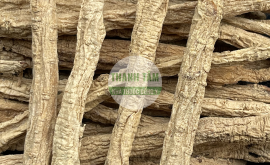
After processing, the root becomes darker brown to nearly black, with a mild aroma and slightly Sweet, Bitter, and astringent taste. This prepared form is different from the raw root, which has different traditional properties and a greater laxative effect.
2. Related names of Red Fo-ti root
Other names: Fo-ti root, He Shou Wu, prepared Fo-ti root, Chinese knotweed root.
Scientific name: Polygonum multiflorum.
Pinyin name: He Shou Wu.
Chinese name: 何首乌.
The name He Shou Wu is linked to a Chinese legend about a man surnamed He whose health and dark hair were said to improve after using the herb. The story helped shape its traditional reputation. “Dạ giao đằng,” however, refers to the vine or stem of the plant, not the prepared root.
3. Flavors, Nature – Meridian
In TCM, prepared He Shou Wu is described as Bitter, astringent, Sweet, and Warm. The Sweet quality is associated with tonifying actions, while Bitter and astringent qualities are linked with consolidation.
The herb enters the Liver and Kidney Meridians. In TCM theory, the Liver is associated with Blood, tendons, and hair, while the Kidney is associated with Essence, bones, and lower-back strength. The prepared root is therefore often included in formulas for deficiency patterns.
4. Benefits of Red Fo-ti root in TCM
Traditional uses of this herb focus mainly on tonifying Liver and Kidney systems and nourishing Blood. Common TCM applications include:
- Nourishing Blood: Traditionally used when a person presents with deficiency patterns such as pale complexion, weakness, or dizziness.
- Supporting Liver and Kidney: Commonly included in formulas intended to replenish Essence and improve general resilience.
- Supporting hair vitality: Traditionally used for premature graying or hair weakness associated with Liver-Kidney deficiency.
- Strengthening tendons and bones: Used in formulas for weakness of the lower back and knees.
- Supporting recovery from fatigue: Used when tiredness is linked to a deficiency pattern.
These are traditional TCM uses and should not be interpreted as proven treatments for anemia, liver disease, kidney disease, or hair-loss disorders.
5. How to use and dosage
Red Fo-ti root is generally used in its properly prepared form. Common traditional methods include:
- Decoction: 9–15 g per day, simmered with other herbs according to the formula.
- Herbal food preparation: Sometimes cooked with rice, soup, or lean meat in traditional dietary therapy.
- Pills or prepared formulas: Use according to the product instructions and advice from a qualified Herb doctor.
Do not substitute raw Fo-ti root for the prepared form. Dosage and duration should be individualized, especially when prescription medicines are used.

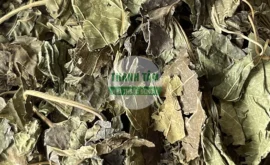
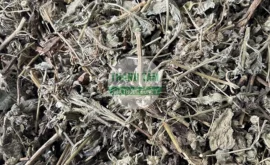
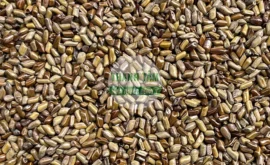
Red Fo-ti root herb | Thanh Tam Herbs
6. Indications and contraindications
Traditional indications
- Premature graying associated with a TCM deficiency pattern
- General weakness or prolonged fatigue
- Pale complexion or dizziness attributed to Blood deficiency in TCM
- Weak or sore lower back and knees
- Weakness of tendons and bones
Contraindications and precautions
- Avoid self-treatment with raw Fo-ti root.
- People with diarrhea, poor digestion, or significant gastrointestinal sensitivity should seek professional advice.
- Do not use high doses or prolonged courses without guidance from a qualified healthcare professional.
- He Shou Wu products have been associated with clinically significant liver injury; stop use and seek medical care if symptoms such as jaundice, dark urine, unusual fatigue, nausea, or upper abdominal discomfort occur.
- Pregnant or breastfeeding women, people with liver disease, and anyone taking regular medication should consult a healthcare professional before use.
7. Reference herbal combinations with Hà thủ ô đỏ
- To nourish Blood and support Liver-Kidney deficiency patterns: Red Fo-ti root + Dang Gui + prepared Rehmannia root.
- For traditional hair-support formulas: Red Fo-ti root + prepared Rehmannia root + Goji berry.
- For weakness of the lower back and knees: Red Fo-ti root + Eucommia bark + Achyranthes root.
- In classical wind-related formulas: Hà thủ ô đỏ may be combined with chrysanthemum, sesame seed, Angelica dahurica, Sophora root, Stemona root, Tribulus fruit, Asparagus root, Schizonepeta, and Rehmannia.
- In historical formulas for lingering intermittent fever patterns: combinations may include Achyranthes root, soft-shelled turtle shell, aged tangerine peel, and green tangerine peel, modified according to the TCM pattern.
These combinations are for traditional reference only. Herbal formulas should be selected by an experienced Herb doctor, not copied for self-treatment.
8. Frequently asked questions
Can Red Fo-ti root be used every day?
Daily use is not appropriate for everyone. The dose, processing method, treatment duration, health history, and other medicines should be reviewed before regular use.
Does Red Fo-ti root make gray hair turn black quickly?
TCM traditionally associates the herb with hair vitality and premature graying related to Liver-Kidney deficiency, but results are not immediate or guaranteed. Premature graying can have many causes, so medical evaluation may be appropriate.
Is processed He Shou Wu completely safe?
No. Traditional processing is important, but processed products have still been associated with liver injury. Choose a reliable source, avoid excessive use, and seek professional advice if you plan to take it regularly.
👉 Visit Thanh Tam Herbs – your trusted Herbal pharmacy for quality TCM herbs and professional guidance.
Nguồn tham khảo
- Dược điển Việt Nam.
- Lương y Hy Lãn Hoàng Văn Vinh, Cây thuốc vị thuốc Đông y, Nhà xuất bản Hà Nội, 2001.
- Tài liệu, hướng dẫn và thông tin chuyên ngành từ Bộ Y tế.
Rate this article
How useful was this article?
Tác giả bài viết