Lotus Leaf | Traditional Herbal Medicines
🌿 Lotus Leaf – A TCM herb to clear summer heat, drain dampness, and support bleeding control
Lotus Leaf, also known as Hà diệp or lá sen, is a familiar herb in TCM formulas for clearing heat, relieving summer heat discomfort, draining dampness, and supporting bleeding patterns related to heat in the blood. In TCM, this herb is often used when the body feels restless, thirsty, heavy, or affected by hot-damp conditions such as summer diarrhea or mild bleeding in the right pattern.
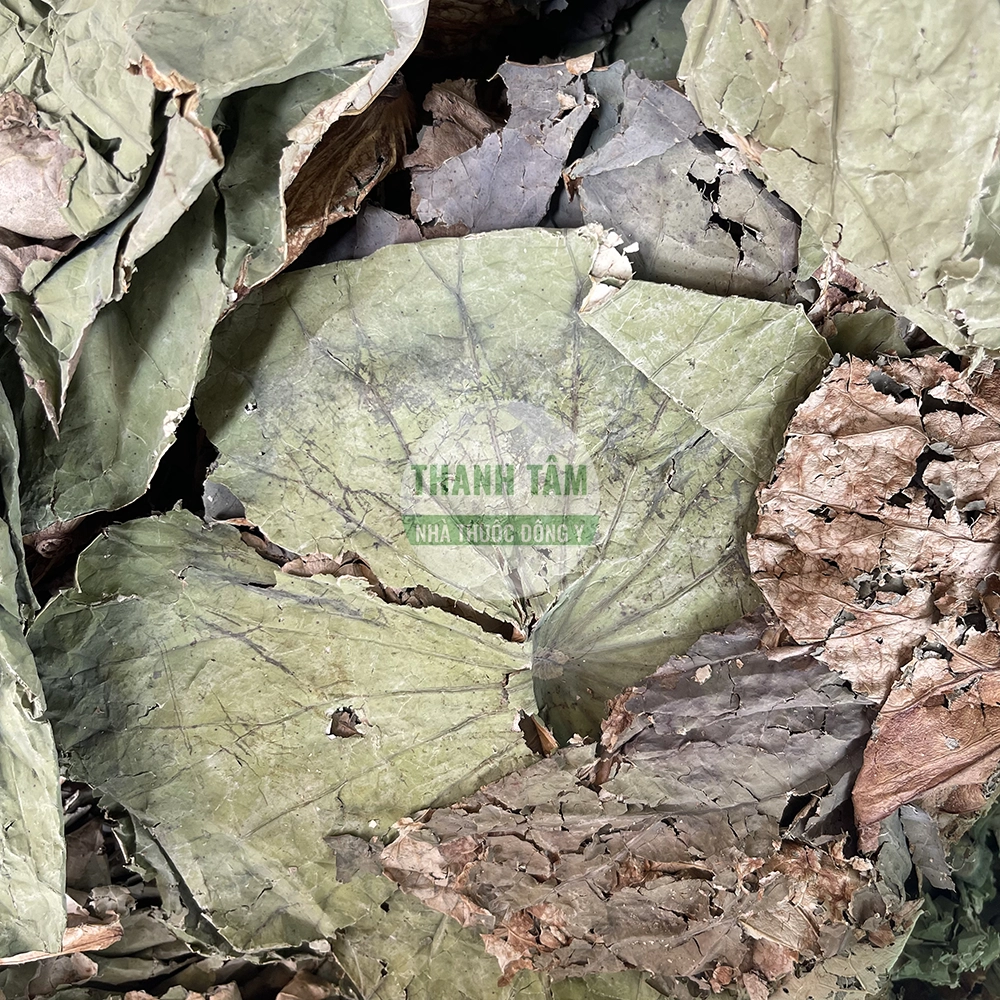
Lotus Leaf – TCM herb to clear summer heat and drain dampness
- Scientific name / Pinyin / Chinese: Folium Nelumbinis / He Ye / 荷叶
- Flavors, Nature – Meridian: Bitter, Cool Nature – commonly enters the Liver, Spleen, and Stomach Meridians
- Main benefits: Helps clear heat during summer heat discomfort, reduce thirst, support diarrhea caused by hot-dampness, drain mild dampness, cool the blood, and support bleeding control in TCM.
- Reference dosage: 3–9 g/day of dried leaf; 15–30 g/day of fresh leaf; 3–6 g/day of charred leaf.
1. Origin and description
Lotus Leaf is the mature leaf with the stalk removed, dried in the sun or by gentle heat, from the lotus plant, belonging to the lotus family (Nelumbonaceae). Lotus commonly grows in ponds, lakes, shallow wetlands, and cultivated water fields in Vietnam, where the flower, seed, rhizome, lotus plumule, and leaf may all be used.
Fresh lotus leaves are large and nearly round, with wavy edges and a green upper surface covered by a thin waxy layer, so water rolls off easily. The veins spread outward from the center, and the stalk is long and hollow. The dried herb usually appears as greenish brown or yellowish brown leaf pieces. It is brittle, slightly aromatic, and has a Bitter, mildly astringent taste.
Good quality material should be evenly dried, naturally colored, free from mold, moisture, and excessive impurities. Because dried leaves absorb moisture easily, they should be stored in a sealed bag or container in a cool, dry place.
2. Related names of Lotus Leaf
Other names: Lá sen, Liên diệp, Hà liên diệp, Lá sen khô.
Scientific herbal name: Folium Nelumbinis. Pinyin name: He Ye. Chinese name: 荷叶.
Common names may be used for both fresh and dried lotus leaves. When used as medicine, this herb should be distinguished from Hạt sen, lotus plumule, lotus stamen, lotus seed pod, and lotus rhizome, because each part has different properties and uses.
3. Flavors, Nature – Meridian
In TCM, Lotus Leaf has a Bitter flavor and a Cool Nature. The Bitter flavor helps clear heat and transform dampness, while the Cool Nature helps ease thirst, restlessness, heat sensation, and summer heat discomfort.
This herb commonly enters the Liver, Spleen, and Stomach Meridians. The Spleen and Stomach are related to digestion and fluid transformation. The Liver is connected with blood. For this reason, the herb is often used for summer heat, hot-damp diarrhea, mild swelling, water retention, and bleeding patterns related to blood heat.
4. Benefits of Lotus Leaf in TCM
Lotus Leaf is known for clearing summer heat, draining dampness, cooling the blood, and stopping bleeding. In simple words, it helps cool the body when heat is trapped inside, supports the movement of dampness, eases thirst and restlessness, and may help control bleeding when the cause is related to heat in the blood.
In practice, the herb appears in formulas for summer heat, heatstroke-like discomfort, thirst, hot-damp diarrhea, reduced urination, mild edema, nosebleed, blood in stool, or heavy menstrual bleeding in the right TCM pattern. Charred lotus leaf is usually more focused on bleeding control than the raw dried form.
5. How to use and dosage
Lotus Leaf can be used as a decoction, herbal tea, boiled drink, or part of a multi-herb formula. A common reference dosage is 3–9 g of dried leaf per day. Fresh leaf may be used at 15–30 g per day, while charred leaf is usually used at 3–6 g per day.
- Decoction: Use dried leaf with other herbs, boil with water, and divide into servings during the day.
- Herbal tea: Use a small amount, steep with hot water, and drink warm. Avoid making it too concentrated.
- Fresh leaf: May be crushed for juice or decocted in certain summer heat formulas.
- Combination: Often used with Huo Xiang, Biển đậu hoa, Chen Pi, Zhu Ye, Sheng Di, or charred Ngải diệp.
Do not self-use high doses for a long period, especially when bleeding, severe diarrhea, or chronic disease is present.
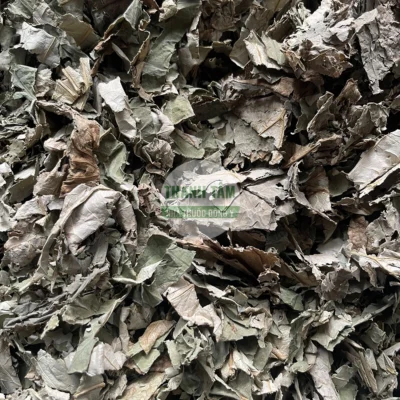
Cut dried leaves | Thanh Tam Herbs
6. Indications and contraindications
Indications
This herb is traditionally used for summer heat discomfort, thirst, restlessness, hot-damp diarrhea, reduced urination, mild edema, nosebleed, coughing blood, blood in urine or stool, and heavy menstrual bleeding due to blood heat in TCM theory.
Contraindications
People with Spleen-Stomach deficiency Cold, cold abdomen, diarrhea caused by Cold, low blood pressure, weak Cold constitution, or those using blood thinners should be cautious. Pregnant women, people with ongoing abnormal bleeding, unexplained bleeding, liver or kidney disease, or chronic medical treatment should ask a Herb doctor or healthcare professional before use.
7. Reference herbal combinations with Lá sen
- Summer heat discomfort and thirst: Lotus Leaf + Zhu Ye + reed root.
- Hot-damp diarrhea: Lotus Leaf + Huo Xiang + Biển đậu hoa.
- Nosebleed due to blood heat: charred Lotus Leaf + Sheng Di + Ce Bai Ye.
- Heavy menstrual bleeding in a heat pattern: charred Lotus Leaf + charred Ngải diệp + E Jiao, only as directed.
These combinations are for reference only and do not replace a prescription from a Herb doctor.
8. Frequently asked questions
- Is Lotus Leaf the same as lá sen?
Yes. It is the medicinal name for lotus leaves that have been harvested, dried, and prepared for herbal use. - Can it help with weight management?
It may support dampness transformation and reduce a heavy feeling, but it is not a weight-loss medicine and cannot replace balanced eating. - Can it be taken every day as tea?
It should not be taken too strong or continuously for a long time. People with cold abdomen, diarrhea, or low blood pressure should be cautious. - How can good material be recognized?
Choose clean, naturally colored, lightly aromatic, well-dried material with no mold, no moisture, and a clear source.
👉 Thanh Tam Herbs – Trusted Herbal pharmacy for authentic TCM herbs
Nguồn tham khảo
- Dược điển Việt Nam.
- Lương y Hy Lãn Hoàng Văn Vinh, Cây thuốc vị thuốc Đông y, Nhà xuất bản Hà Nội, 2001.
- Tài liệu, hướng dẫn và thông tin chuyên ngành từ Bộ Y tế.
Rate this article
How useful was this article?
Tác giả bài viết