Chinese Wedelia Herb | Traditional Herbal Medicines
🌿 Chinese Wedelia Herb – A TCM Herb for Clearing Heat, Detoxifying, and Soothing Skin Irritation
Chinese Wedelia Herb, known as Sài đất in Vietnamese, consists of the fresh or dried aboveground parts of Wedelia chinensis (Osbeck) Merr. In TCM, this cooling herb is traditionally used to clear Heat, address Heat-toxin patterns, and ease swelling and skin discomfort. It commonly appears in herbal preparations for boils, itchy eruptions, and mild skin irritation when appropriate for the individual condition.
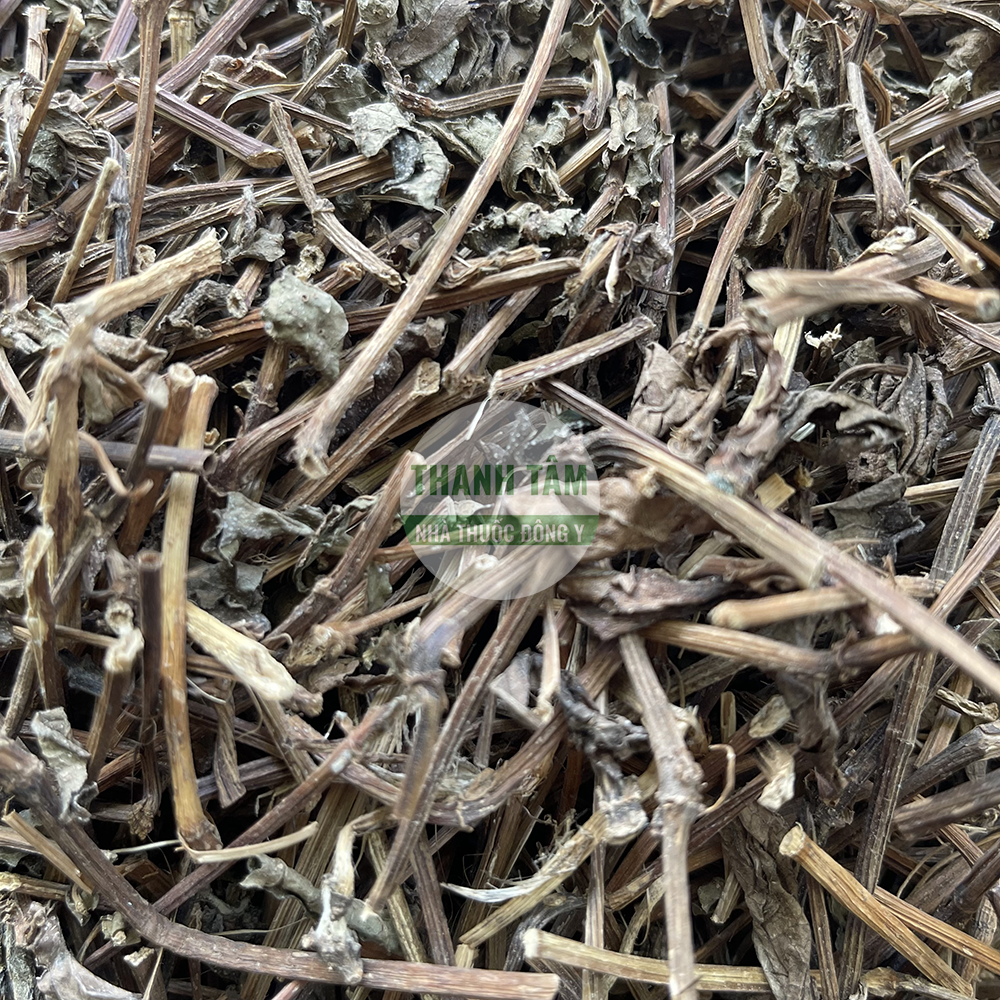
- Scientific name / Pinyin / Chinese: Herba Wedeliae / Peng Qi Ju / 蟛蜞菊.
- Flavors, Nature – Meridian: Slightly Salty, slightly Bitter, Cool – associated with the Heart, Lung, and Stomach Meridians.
- Main benefits: Traditionally clears Heat, supports detoxification, and helps soothe swelling, boils, itching, and irritated skin.
- Reference dosage: 20–40 g daily, generally prepared as a decoction or liquid extract.
1. Origin and description
Chinese Wedelia Herb comes from Wedelia chinensis, a creeping herbaceous plant in the Asteraceae family. It has green, bristly stems and opposite, nearly stalkless leaves. The leaves are narrow to oval, with sparse teeth along their edges and a slightly rough surface.
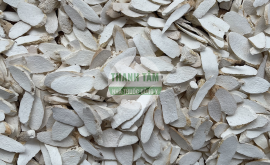
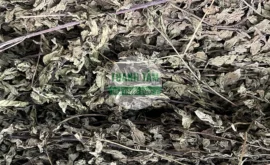
Bright yellow, daisy-like flower heads appear near the ends of the stems. When dried, the medicinal material typically becomes grayish green, feels somewhat coarse, and has a faint herbal fragrance with a slightly salty taste.
The aboveground parts can be harvested throughout the year. After removing soil and impurities, they may be used fresh or dried for storage. Keep dried material in a clean, cool, well-ventilated place away from moisture and direct sunlight.
2. Related names of Chinese Wedelia Herb
Other names: Sài đất, Cúc nháp, Húng trám, Ngổ núi, Ngổ đất, Tân sa, Hàn kỷ dĩ, Chinese Wedelia, Chinese Wedelia Herb.
Scientific name: Herba Wedeliae.
Pinyin name: Peng Qi Ju.
Chinese name: 蟛蜞菊.
The botanical name Sphagneticola calendulacea (L.) Pruski is also used in modern references. Accurate identification matters because several creeping plants bear similar yellow flowers. Appearance alone is not sufficient to confirm medicinal suitability.
3. Flavors, Nature – Meridian
According to the Vietnamese Pharmacopoeia, the herb is slightly Salty and slightly Bitter, with a Cool nature. It is traditionally associated with the Heart, Lung, and Stomach Meridians.
Within TCM theory, a Cool nature is linked with calming signs of Heat, while Bitter qualities are associated with clearing and draining. Meridian relationships describe traditional treatment patterns; they should not be interpreted as evidence of direct effects on anatomical organs or as established modern pharmacological mechanisms.
4. Benefits of Chinese Wedelia Herb in TCM
Traditional applications focus mainly on Heat-related skin discomfort:
- Clearing Heat and supporting detoxification: Used in formulas for Heat-toxin presentations, including red, swollen skin and boils.
- Soothing swelling and irritation: Traditionally selected to ease localized warmth, tenderness, and discomfort when the TCM pattern is suitable.
- Supporting care for boils and superficial eruptions: Sometimes prepared as a decoction or combined with other Heat-clearing herbs.
- Relieving mild itching: Folk practice includes washed fresh herb or herbal rinses for prickly heat and uncomplicated skin irritation.
These are traditional uses, not proof that the herb treats bacterial infections, eczema, or allergies. Rapidly spreading redness, pus, significant pain, fever, or breathing difficulty requires prompt medical assessment.
5. How to use and dosage
The Vietnamese Pharmacopoeia gives a reference amount of 20–40 g per day, typically as a decoction or liquid extract. Fresh material is also used in folk practice, but equivalent quantities may differ from those of dried herbs.
- Decoction: Prepare the measured herb in water according to instructions from a qualified Herb doctor.
- Compound formulas: Combine with other herbs only when the overall symptoms and TCM pattern justify the selection.
- External use: Thoroughly wash fresh plant material before preparing a rinse or other traditional topical application.
Never apply unclean herbs to open wounds, draining skin, or abscesses. Avoid increasing the dose, drinking concentrated preparations continuously, or using the herb as a substitute for prescribed treatment.
6. Indications and contraindications
Indications
Traditional references list Heat-clearing, detoxifying, and inflammation-soothing actions, with use for boils, itchy sores, and allergy-related complaints. Folk applications also include prickly heat and minor external swelling. Appropriate use depends on the actual cause of symptoms and the individual’s presentation.
Contraindications and precautions
The Vietnamese Pharmacopoeia monograph does not specify a particular contraindication. However, anyone with a known reaction to this plant should avoid it. Pregnant or breastfeeding individuals, young children, and people receiving ongoing treatment for chronic conditions should seek professional advice before oral use.
Severe infection, an abscess, high fever, or widespread allergic symptoms require medical care. Herbal remedies should not delay necessary diagnosis or treatment.
7. Reference herbal combinations with Sài đất
- Boils and itchy sores: A traditional example combines 30 g Sài đất, 15 g honeysuckle stem, 15 g Indian Lettuce, 10 g Smilax Rhizome, and 10 g cocklebur fruit in a decoction.
- Skin eruptions or eczema-like discomfort: Some references combine the herb with honeysuckle leaves, Smilax Rhizome, cocklebur fruit, and sweet broomweed.
- Red, swollen boils: Traditional combinations may include Indian Lettuce, honeysuckle flower, and Smilax Rhizome under professional supervision.
- Prickly heat: Folk practice sometimes uses a bathing rinse made from thoroughly washed fresh plants. Avoid applying it to broken or infected skin.
These examples are educational references, not ready-made prescriptions. Ingredient identity, quantities, safety, and suitability should be checked by a qualified professional.
8. Frequently asked questions
- Which part is used medicinally? The aboveground stems, leaves, and flowering portions are collected and used fresh or dried.
- What is the usual daily dosage? The reference amount is 20–40 g, most commonly in a decoction or liquid extract.
- Can it be used for a prickly heat bath? Traditional practice includes herbal bathing water, provided the material is clean and skin reactions are monitored.
- Can it be applied directly to boils? Avoid self-applying crushed plants to pus-filled lesions, open wounds, or suspected serious infections.
- Are all yellow-flowered creeping plants interchangeable? No. Look-alike species may differ, so reliable botanical identification is essential.
- How can I choose good-quality dried herbs? Look for natural color, a mild herbal scent, low impurities, no mold, and a traceable supplier.
👉 Visit Thanh Tam Herbs – a trusted Herbal pharmacy for quality herbs and TCM guidance
Nguồn tham khảo
- Dược điển Việt Nam.
- Lương y Hy Lãn Hoàng Văn Vinh, Cây thuốc vị thuốc Đông y, Nhà xuất bản Hà Nội, 2001.
- Tài liệu, hướng dẫn và thông tin chuyên ngành từ Bộ Y tế.
Rate this article
How useful was this article?
Tác giả bài viết