Mint Herb | Traditional Herbal Medicines
🌿 Mint Herb – A TCM Herb for Dispersing Wind-Heat, Soothing the Head and Eyes, and Supporting Clear Breathing
Mint Herb is an aromatic, cooling herb commonly used in TCM to support Wind-Heat patterns, headache, red eyes, sore throat, and a sensation of tightness in the chest or ribs associated with Qi stagnation.
- Scientific name / Pinyin / Chinese: Herba Menthae / Bo He / 薄荷.
- Flavors, Nature – Meridian: Pungent, Cool – Lung and Liver.
- Main benefits: Supports the dispersion of Wind-Heat, helps soothe headache, red eyes and throat discomfort, and promotes the smooth movement of Liver Qi according to TCM theory.
- Reference dosage: 3–6 g daily in decoction; usually added near the end to reduce loss of volatile oils.
1. Origin and description
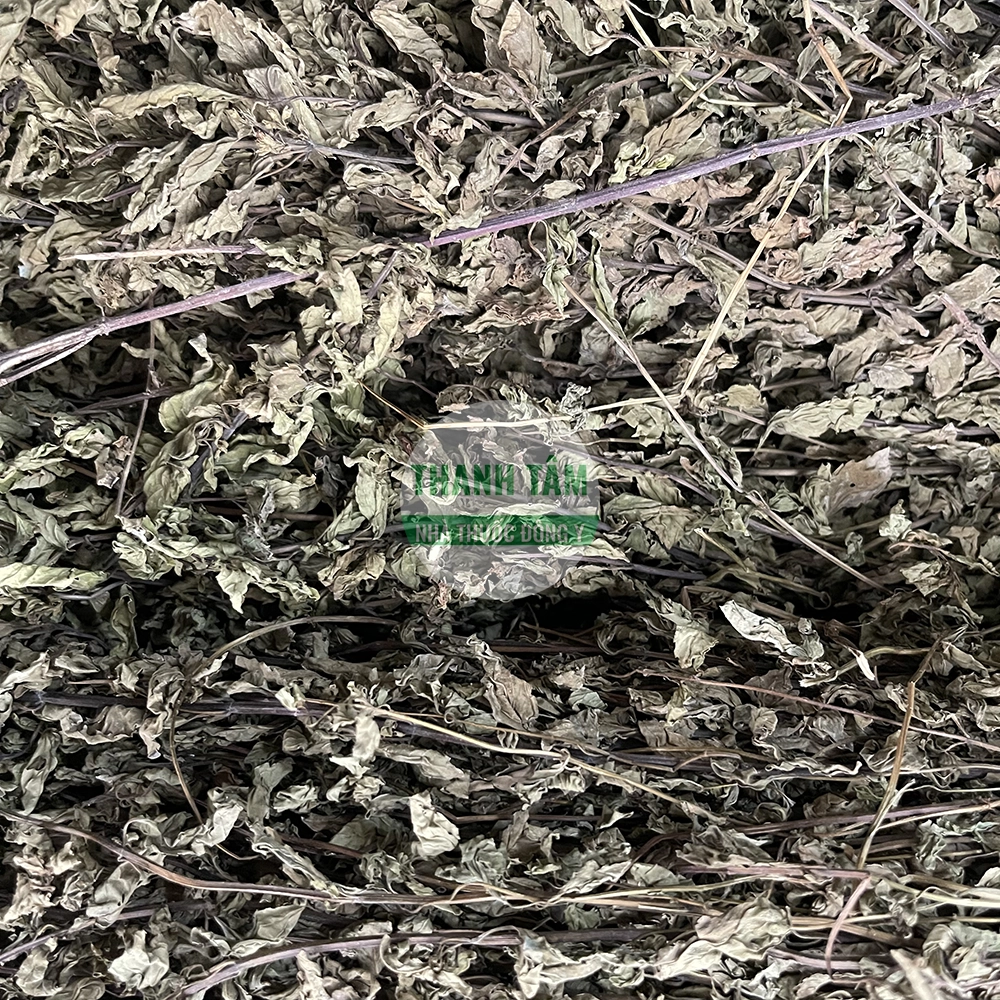
Mint Herb belongs to the Lamiaceae family. The medicinal material mainly consists of the dried aerial parts of the plant. It is a herbaceous plant with branched stems that are typically square in cross-section. The leaves grow opposite each other and have serrated edges. When the leaves are crushed, they release a distinctly fresh and cooling aroma because of their volatile oil content.
The herb is commonly harvested in summer or autumn when the stems and leaves are well developed. After harvesting, the material is cleaned and dried. Good-quality material should retain its characteristic aroma, have a Pungent and cooling taste, and show no mold, excessive moisture, or unusual odor. Store it tightly closed in a cool, dry place.
2. Related names of Mint Herb
Other names: Bạc hà thảo, Bạc hà, Bạc hà nam, mint herb, medicinal mint.
Scientific name: Herba Menthae.
Pinyin name: Bo He.
Chinese name: 薄荷.
The dried herb should not be confused with peppermint essential oil, concentrated mint oil, or purified menthol. These preparations differ in concentration and method of use. Whole dried mint is used in herbal formulas, while essential oils and menthol products require different dosing.
3. Flavors, Nature – Meridian
According to TCM theory, Mint Herb is Pungent in flavor and Cool in nature, and it enters the Lung and Liver Meridians. The Pungent flavor is associated with dispersing and moving, while its Cool nature makes it suitable for selected Wind-Heat patterns. Its relationship with the Liver Meridian is traditionally connected with helping Liver Qi move more freely.
Because the herb is aromatic and rich in volatile components, it is generally added during the final stage of decoction rather than boiled for a long period. Prolonged heating may reduce its aroma and volatile constituents.
4. Benefits of Mint Herb in TCM
- Supports relief of Wind-Heat patterns: Traditionally used when there is a sensation of heat, mild aversion to wind, headache, dry mouth, or throat discomfort.
- Helps soothe the head and eyes: May be combined with other herbs when Wind-Heat is associated with headache, red eyes, eye discomfort, or a heavy feeling in the head.
- Supports throat comfort: Commonly included in formulas for a dry, irritated, or sore throat related to Wind-Heat patterns.
- Supports the expression of rashes: In TCM, it may be used in selected formulas when measles or other Wind-Heat rashes do not emerge smoothly.
- Supports the movement of Liver Qi: Small amounts may be used when Liver Qi stagnation is associated with chest or rib-side tightness and emotional constraint.
These uses belong to TCM practice and do not replace medical diagnosis or treatment. Persistent fever, breathing difficulty, or severe symptoms should be professionally assessed.
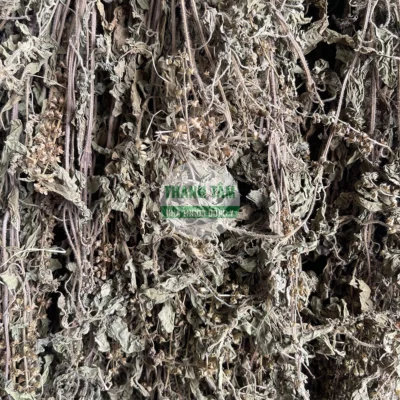
Whole Mint Herb used in TCM | Thanh Tam Herbs
5. How to use and dosage
Mint Herb is commonly used dried in decoctions, herbal infusions, or multi-herb formulas. A commonly referenced amount is 3–6 g per day. When used in a decoction, it is usually added toward the end of cooking to help preserve its aromatic volatile oils.
Powders, concentrated extracts, essential oils, and menthol-containing products should not be dosed by simply converting the amount used for dried herb. Children, pregnant people, breastfeeding people, and anyone with chronic health conditions should consult a healthcare professional or Herb doctor before regular use.
6. Indications and contraindications
Indications
In TCM, Mint Herb may be referenced for exterior Wind-Heat patterns, headache, red eyes, sore throat, mouth sores, measles that are slow to express, and chest or rib-side discomfort related to Qi stagnation. Appropriate use depends on individual constitution and TCM pattern differentiation.
Contraindications and precautions
People who are physically weak, sweat excessively, or show signs associated with Yin deficiency should use caution because the herb’s Pungent and dispersing qualities may further consume body fluids according to TCM theory. Breastfeeding people should also seek professional advice before frequent use.
Do not drink pure mint essential oil. If there is high fever, shortness of breath, persistent throat pain, severe weakness, or an existing chronic disease requiring treatment, professional medical evaluation is more appropriate than relying on herbs alone.
7. Reference herbal combinations with Bạc hà thảo
- Early-stage Wind-Heat: May be combined with Jin Yin Hua, Lian Qiao, Jing Jie, and Niu Bang Zi in an appropriate formula.
- Headache and red eyes due to Wind-Heat: May be paired with Ju Hua, Sang Ye, or Man Jing Zi depending on the pattern.
- Sore or swollen throat: Commonly combined with Jie Geng, Gan Cao, or Niu Bang Zi in formulas designed to support throat comfort.
- Liver Qi stagnation with rib-side tightness: May appear with Chai Hu, Bai Shao, and Dang Gui in formulas that help regulate Liver Qi.
These combinations are for traditional reference only. Exact proportions and duration should follow symptoms, constitution, medications, and TCM pattern differentiation.
8. Frequently asked questions
- Is Mint Herb the same as the mint used in food? Not necessarily. The Vietnamese name “bạc hà” can refer to different plants depending on region, so botanical or medicinal identification should be checked before use.
- Can it be prepared as tea every day? It should not be taken continuously only because it has a pleasant aroma. Use should match a clear purpose and an appropriate amount.
- Why is it added near the end of decoction? The herb contains volatile oils that can be lost during prolonged boiling, reducing its aroma and some volatile components.
- Can breastfeeding people use it? Regular use should be discussed with a healthcare professional or Herb doctor.
- How do I choose good-quality material? Choose clean, dry herb with a fresh aromatic smell, natural color, no mold, no unusual odor, and clear sourcing.
👉 Visit Thanh Tam Herbs – a trusted Herbal pharmacy for quality herbs and TCM guidance
Nguồn tham khảo
- Dược điển Việt Nam.
- Lương y Hy Lãn Hoàng Văn Vinh, Cây thuốc vị thuốc Đông y, Nhà xuất bản Hà Nội, 2001.
- Tài liệu, hướng dẫn và thông tin chuyên ngành từ Bộ Y tế.
Rate this article
How useful was this article?
Tác giả bài viết