Mulberry Mistletoe | Traditional Herbal Medicines
🌿 Mulberry Mistletoe – A TCM herb for Liver-Kidney support and stronger tendons and bones
Mulberry Mistletoe is a familiar herb in TCM formulas for low back soreness, weak knees, wind-damp joint pain, numb limbs, and threatened miscarriage when the body shows signs of Liver-Kidney deficiency. It is often used when pain is long-lasting, the lower back feels weak, or the tendons and bones need deeper support rather than quick symptomatic relief.
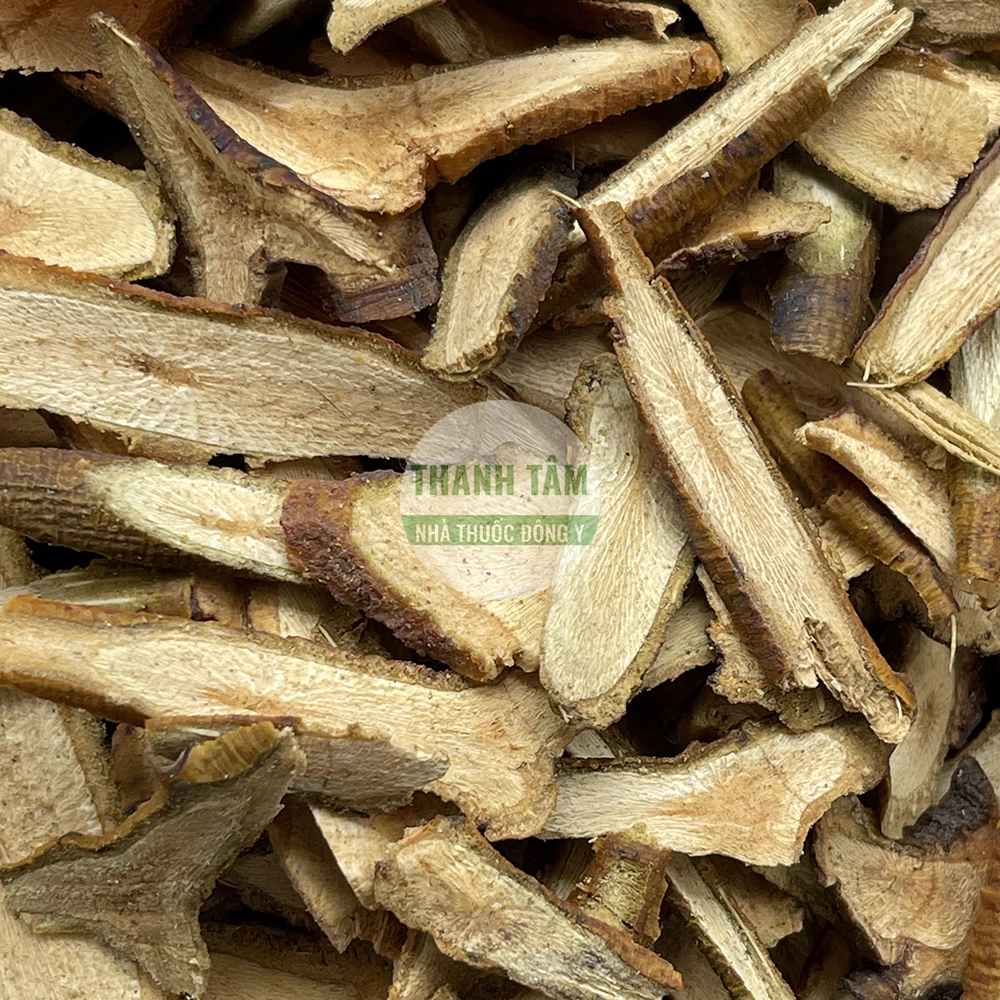
Mulberry Mistletoe – TCM herb for Liver-Kidney support and stronger tendons and bones
- Scientific name / Pinyin / Chinese: Taxillus chinensis / Sang Ji Sheng / 桑寄生
- Flavors, Nature – Meridian: Bitter, slightly Sweet, Neutral Nature – commonly enters the Liver and Kidney Meridians
- Main benefits: Supports the Liver and Kidney, helps strengthen tendons and bones, eases low back and knee soreness, supports numb or heavy limbs, and may help stabilize pregnancy when used for the right TCM pattern.
- Reference dosage: 12–20 g/day as a decoction, depending on condition and Herb doctor guidance.
1. Origin and description
This herb is the dried stem, branch, and leaf of a mistletoe plant that grows parasitically on mulberry trees, belonging to the mistletoe family (Loranthaceae). The name “mistletoe” can refer to many parasitic plants, so medicinal material should be selected by the correct species, host plant, and reliable origin.
The dried herb usually includes small branch pieces with tough leaves, ranging from yellowish brown to dark brown. The branches are slightly hard, with a mild odor and a light, slightly astringent taste. Good quality material should be clean, evenly dried, relatively intact in branch and leaf form, free from mold, insects, and excessive impurities. It should be stored in a dry, cool place and protected from moisture.
For practical use, appearance alone is not enough to confirm quality. A trusted supplier should be able to explain the harvesting part, drying method, and whether the material was collected from the appropriate host plant. This matters because the wrong mistletoe species may not provide the same TCM function.
2. Related names of Mulberry Mistletoe
Other names: Sang Ji Sheng, Tầm gửi dâu, Dâu ký sinh, Ký sinh cây dâu, Tang thượng ký sinh.
Scientific herbal name: Rhizoma Homalomenae occultae. Pinyin name: Sang Ji Sheng. Chinese name: 桑寄生.
Common names may not be consistent because “mistletoe” can describe many different parasitic plants. When buying this herb, it is important to identify the correct medicinal type and choose a source with clear information.
3. Flavors, Nature – Meridian
In TCM, Mulberry Mistletoe has a Bitter, slightly Sweet flavor and a Neutral Nature. The Bitter flavor helps clear obstruction and reduce dampness in the channels, while the Sweet aspect supports deficiency and helps nourish the body.
This herb commonly enters the Liver and Kidney Meridians. The Liver is linked with tendons, movement, and smooth circulation. The Kidney is linked with bones, lower back strength, knees, and long-term vitality. For this reason, the herb is often mentioned in formulas for low back pain, weak knees, tendon weakness, numbness, and chronic body aches.
4. Benefits of Mulberry Mistletoe in TCM
The easiest way to understand this herb is that it supports the deeper “root” behind weak tendons and bones, while also helping relieve discomfort caused by wind-damp obstruction. It is not mainly used as a fast painkiller. Instead, it is often chosen when pain, soreness, or heaviness appears together with weakness.
In TCM practice, it is used to tonify the Liver and Kidney, strengthen tendons and bones, dispel wind-dampness, unblock the channels, and support pregnancy in the correct pattern. For joint and muscle discomfort, it is more suitable for dull pain, long-term soreness, numb limbs, heavy legs, weak knees, or lower back pain that develops gradually. For pregnancy support, it should only be used when the pattern is appropriate and under professional supervision.
5. How to use and dosage
Mulberry Mistletoe is most often used as a decoction. A common reference dosage is 12–20 g of dried herb per day, boiled with other herbs and divided into daily servings.
For low back and knee soreness, it is commonly combined with Du Zhong, Niu Xi, Xu Duan, Du Huo, Qin Jiao, or Ji Xue Teng. When used for pregnancy support, it may be combined with Xu Duan, Du Zhong, and E Jiao, but this use requires guidance from a qualified Herb doctor. It is usually not used as a single herb for every type of back pain. For best results, the formula should match whether the main pattern is deficiency, wind-dampness, cold, heat, blood stasis, or a combination of several factors.

Mulberry Mistletoe | Thanh Tam Herbs
6. Indications and contraindications
Indications
This herb is traditionally used for wind-damp pain, low back and knee soreness, weak tendons and bones, numb hands or feet, reduced flexibility, threatened miscarriage due to deficiency, and some traditional postpartum cases involving low milk supply.
Contraindications
People with allergy to the herb, high fever, acute infection, unexplained abdominal pain, or serious underlying disease should not self-use it. Pregnant women, people taking blood thinners, blood pressure medicine, heart medicine, diabetes medication, or those preparing for surgery should consult a Herb doctor or healthcare professional before use.
7. Reference herbal combinations with Tang ký sinh
- Low back and knee soreness due to Liver-Kidney deficiency: Mulberry Mistletoe + Du Zhong + Niu Xi + Xu Duan.
- Wind-damp pain and numbness: Mulberry Mistletoe + Du Huo + Qin Jiao + Fang Feng.
- Weak tendons and long-lasting body aches: Mulberry Mistletoe + Ji Xue Teng + Du Zhong + Niu Xi.
- Threatened miscarriage due to deficiency: Mulberry Mistletoe + Xu Duan + Du Zhong + E Jiao, only as directed.
These combinations are for reference only and do not replace diagnosis or prescription by a Herb doctor.
8. Frequently asked questions
- Is Mulberry Mistletoe a joint pain herb?
It is often used in TCM joint and back formulas, especially when soreness comes with weak knees, numbness, or long-term wind-damp discomfort. - Can pregnant women use it?
It has a traditional pregnancy-stabilizing function, but it should only be used for the correct pattern and under professional guidance. - Can it be taken every day?
It should not be taken long term without proper guidance. Dosage and duration depend on body constitution and the condition being addressed. - How can good material be recognized?
Choose clean, naturally colored, well-dried material with no mold, no insects, no strange odor, and a clear source.
👉 Thanh Tam Herbs – Trusted Herbal pharmacy for authentic TCM herbs
Nguồn tham khảo
- Dược điển Việt Nam.
- Lương y Hy Lãn Hoàng Văn Vinh, Cây thuốc vị thuốc Đông y, Nhà xuất bản Hà Nội, 2001.
- Tài liệu, hướng dẫn và thông tin chuyên ngành từ Bộ Y tế.
Rate this article
How useful was this article?
Tác giả bài viết