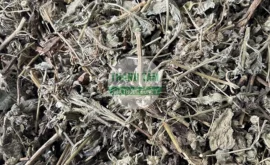
Chinese jujube | Traditional Herbal Medicines
🌿 Chinese jujube – A TCM herb for supporting Qi, nourishing the blood, digestion, and calmness
Chinese jujube, known as Da Zao in TCM, is the dried ripe fruit of Ziziphus jujuba. It is traditionally valued for supporting Spleen Qi, nourishing the blood, easing digestive weakness, and calming restlessness. Because it is both a food and a medicinal ingredient, it commonly appears in herbal formulas, soups, congee, and teas.

Chinese jujube – a TCM herb for supporting Qi, blood, and calmness
- Scientific name / Pinyin / Chinese: Ziziphus jujuba / Da Zao / 大枣
- Flavors, Nature – Meridian: Sweet, Neutral – Spleen and Stomach Meridians
- Main benefits: Supports energy and digestion, nourishes the blood in TCM, helps calm restlessness, and harmonizes stronger herbs in a formula.
- Reference dosage: Commonly 3–12 dried fruits per day in food or decoctions, adjusted for fruit size, total sugar intake, and professional guidance.
1. Origin and description
Chinese jujube is the ripe fruit of Ziziphus jujuba Mill., a tree in the buckthorn family (Rhamnaceae). It has long been cultivated in China and is now grown across Asia, including Vietnam. Ripe red fruits are collected and dried for food or medicinal use.
Fresh fruit is green to reddish brown, while dried fruit becomes dark red, brown, or nearly black. It has wrinkled skin, chewy Sweet flesh, and a hard central stone.
Good dried fruit should be flexible rather than damp, naturally aromatic, and free from mold, fermentation, insects, or artificial coloring. Its Sweet Flavor also helps harmonize herbal formulas.
2. Related names of Chinese jujube
Other names: Jujube fruit, Chinese date, red date, dried jujube, black jujube, Da Zao, Táo tàu, and Táo đen.
Scientific name: Ziziphus jujuba Mill.
Pinyin name: Da Zao.
Chinese name: 大枣 or 大棗.
Red date and Chinese date are common names, although the fruit is not a true date. “Black jujube” usually describes a darker dried product. Do not confuse it with sour jujube seed, Suan Zao Ren, a different TCM ingredient.
3. Flavors, Nature – Meridian
In TCM, Da Zao has a Sweet Flavor and a Neutral Nature. It enters the Spleen and Stomach Meridians.
The Sweet Flavor is associated with tonifying, nourishing, and harmonizing other herbs. Its Neutral Nature is neither strongly warming nor cooling.
It is traditionally selected for reduced appetite, fatigue, loose stools, or weakness linked to deficient digestive Qi. It may not suit marked food stagnation, abdominal fullness, phlegm, or dampness.
4. Benefits of Chinese jujube in TCM
Its principal TCM actions are tonifying Spleen Qi, nourishing the blood, calming restlessness, and harmonizing formulas.
- Supports Qi and recovery: It may be included when fatigue, weakness, reduced appetite, or slow recovery matches a Spleen Qi deficiency pattern.
- Nourishes the blood: TCM formulas may use it for pale complexion, mild dizziness, or restlessness associated with blood deficiency. It does not replace iron testing or treatment for anemia.
- Supports digestion: Its Sweet, gentle character may help make nourishing soups and congee easier to consume.
- Calms restlessness: It is traditionally paired with other herbs when emotional tension or poor sleep accompanies deficiency. Evidence does not support treating persistent insomnia with the fruit alone.
- Harmonizes formulas: It may soften the harshness or strong taste of other herbs and support digestive tolerance.
The fruit contains carbohydrates, fiber, vitamins, minerals, polysaccharides, flavonoids, and triterpenoids. Many proposed health effects still require stronger human studies.
5. How to use and dosage
Chinese jujube can be used in decoctions, congee, soups, desserts, or tea. The stone is often removed before cooking.
- Herbal decoction: Use about 3–5 fruits in a formula when directed by a Herb doctor. Split or lightly crush them so water can reach the flesh.
- Congee: Cook with rice, lotus seed, or Chinese yam for a soft meal suitable for people with poor appetite or during recovery.
- Soup: Combine with lotus seed, goji berry, codonopsis root, or other food-grade herbs according to the recipe.
- Tea: Slice a small amount and steep in hot water. It should not replace plain water throughout the day.
- Snack: Dried fruit may be eaten directly after checking and removing the stone.
A common reference range is 3–12 dried fruits daily, although size varies. Because dried jujube contains concentrated sugar, people with diabetes or insulin resistance should account for the serving.
6. Indications and contraindications
Indications
In TCM, Da Zao may be used for Spleen Qi deficiency with tiredness, reduced appetite, loose stools, or weakness. It may also support blood-deficiency patterns and recovery after illness.
Contraindications
People with pronounced dampness, phlegm, persistent bloating, food stagnation, or abdominal fullness should avoid excessive use. Those with diabetes should monitor portion size because dried fruit is naturally high in sugar.
Anyone with a jujube allergy should avoid it. Pregnant or breastfeeding people, children with medical conditions, and those taking long-term medicines should seek professional advice before medicinal use.
Seek medical advice for persistent fatigue, dizziness, weight loss, severe insomnia, black stools, unexplained bleeding, or symptoms suggesting anemia or another underlying illness.
7. Reference herbal combinations with Đại táo (Táo đen)
- Nourishing chicken soup: Đại táo may be combined with Chinese yam, codonopsis root, astragalus root, lotus seed, polygonatum, prepared rehmannia, angelica root, Sichuan lovage rhizome, goji berry, and selected food-grade herbs.
- Four Gentlemen-inspired formula: It may accompany ginseng, atractylodes rhizome, and poria to support Spleen Qi under professional guidance.
- Jujube and lotus-seed congee: A mild food combination traditionally used for digestive weakness and recovery.
- Jujube and goji tea: A lightly Sweet drink used in food therapy to support general nourishment.
These combinations are references, not fixed prescriptions. Pregnancy, postpartum recovery, chronic illness, and older age require individualized guidance.
8. Frequently asked questions
- Can Chinese jujube be eaten without cooking?
Yes. Dried fruit can be eaten directly after checking its quality and removing the hard stone, although cooking makes it softer. - Can it be used every day?
A moderate food portion may suit many adults, but daily medicinal use and large servings are not appropriate for everyone. - Can dried jujube cause weight gain?
It can contribute extra calories and sugar when eaten in large amounts, especially in sweet soups or desserts. - Can pregnant women eat it?
It is commonly eaten as food, but medicinal combinations or large amounts should be discussed with a qualified clinician. - Does it cure anemia or insomnia?
No. It may support suitable TCM patterns, but diagnosed anemia and persistent insomnia require medical assessment.
👉 Thanh Tam Herbs – A trusted Herbal pharmacy for carefully selected medicinal herbs
Nguồn tham khảo
- Dược điển Việt Nam.
- Lương y Hy Lãn Hoàng Văn Vinh, Cây thuốc vị thuốc Đông y, Nhà xuất bản Hà Nội, 2001.
- Tài liệu, hướng dẫn và thông tin chuyên ngành từ Bộ Y tế.
Rate this article
How useful was this article?
Tác giả bài viết