Acanthopanax Bark | Traditional Herbal Medicines
🌿 Acanthopanax Bark – A TCM Herb for Dispelling Wind-Dampness and Strengthening Tendons and Bones
Acanthopanax Bark, known as Ngũ gia bì gai in Vietnamese, is a traditional herbal material prepared from the stem bark or root bark of Acanthopanax trifoliatus. In TCM, it is commonly used to dispel Wind-Dampness, support joint comfort, strengthen tendons and bones, and reduce numbness of the limbs. It is often included in formulas for people with musculoskeletal discomfort, physical weakness, or reduced mobility.
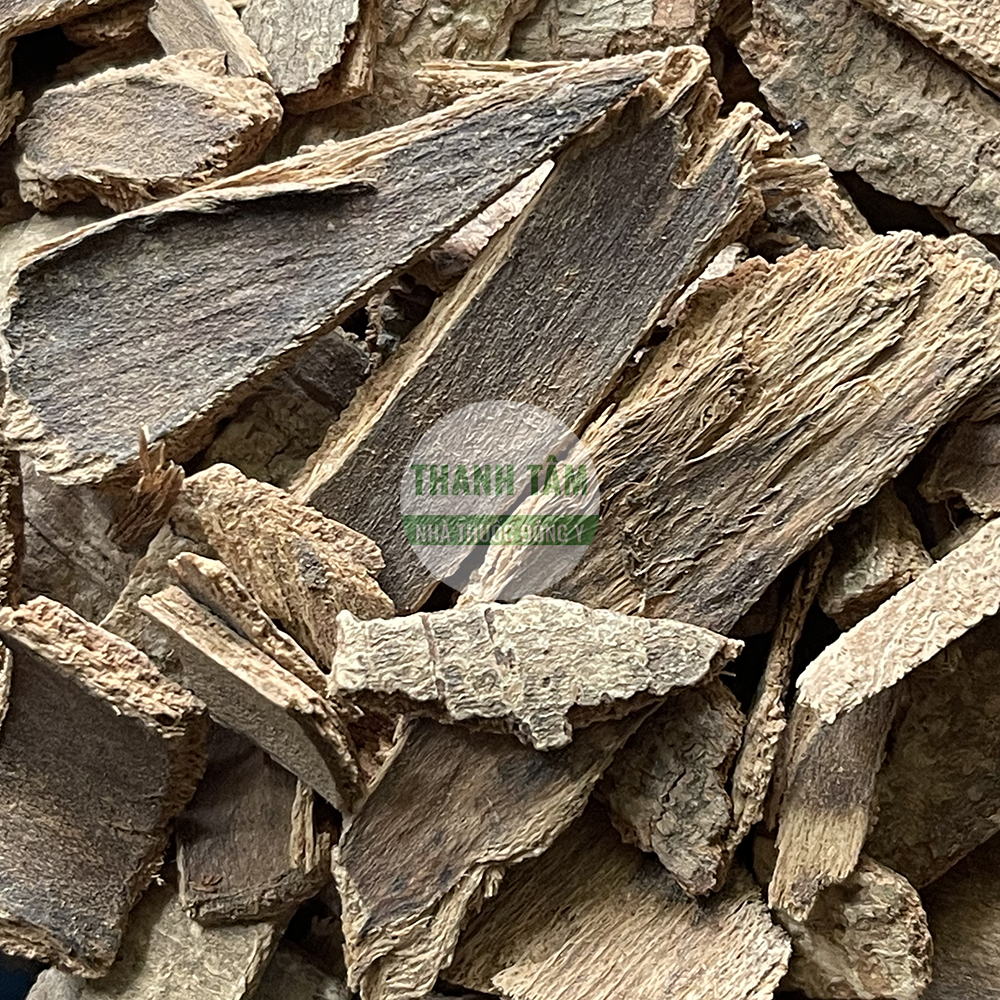
Acanthopanax Bark – a traditional herb used to dispel Wind-Dampness and support the joints
- Scientific name / Pinyin / Chinese: Acanthopanax trifoliatus / Bai Le / 白簕.
- Flavors, Nature – Meridian: Pungent, Bitter, Cool – associated with the Liver, Kidney, and Lung Meridians.
- Main benefits: Traditionally used to dispel Wind-Dampness, strengthen tendons and bones, support joint comfort, and reduce numbness.
- Reference dosage: Commonly 6–12 g daily, usually prepared as a decoction.
1. Origin and description
Acanthopanax Bark belongs to the Araliaceae family and is obtained from the stem bark or root bark of Acanthopanax trifoliatus after harvesting, cleaning, and drying. The herb has been used in traditional practice in Vietnam and several other Asian countries.
The plant is a small shrub or climber that often grows in mountainous forests, forest edges, and moist areas. Its stems bear many small thorns, a useful feature for distinguishing it from other herbs called Ngũ gia bì.
The leaves usually have three oval to lance-shaped leaflets with slightly serrated margins. The flowers are small and arranged in umbels, while ripe fruits become dark to nearly black.
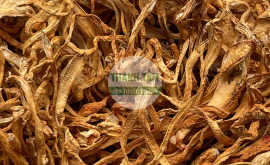
The dried bark is yellow-brown to gray-brown, mildly aromatic, and slightly Pungent and Bitter. Good-quality material should be dry, thick, low in impurities, mold-free, and clearly sourced.
2. Related names of Acanthopanax Bark
Other names: Ngũ gia bì gai, Tam gia bì, Tan diệp ngũ gia, Ngũ gia bì ba lá, Three-leaved Acanthopanax.
Scientific name: Acanthopanax trifoliatus.
Pinyin name: Bai Le.
Chinese name: 白簕.
Because several medicinal plants may be referred to by similar Vietnamese or Chinese names, correct botanical identification is important when purchasing the herb.
3. Flavors, Nature – Meridian
In TCM, Acanthopanax Bark is described as having Pungent and Bitter flavors with a Cool nature. It is traditionally associated with the Liver, Kidney, and Lung Meridians.
The Pungent flavor is traditionally linked with dispersing Wind and opening the channels, while the Bitter flavor is associated with reducing Dampness. Its Cool nature distinguishes it from warmer herbs used for similar patterns.
Through the Liver and Kidney Meridians, the herb is traditionally used to support the tendons, bones, lower back, and knees. Its Lung association is traditionally linked with regulating Qi.
4. Benefits of Acanthopanax Bark in TCM
In TCM, the herb is mainly used to dispel Wind-Dampness and support the musculoskeletal system. Traditional applications include:
- Dispelling Wind-Dampness: Commonly referenced for aching joints, stiffness, and discomfort associated with Wind-Dampness patterns.
- Strengthening tendons and bones: May be included in formulas for weak or tired lower back, knees, and limbs.
- Supporting numbness of the limbs: Traditionally used when the hands or feet feel numb, heavy, or uncomfortable.
- Supporting lower back and knee comfort: Often combined with other herbs when soreness or weakness affects mobility.
- Supporting recovery from weakness: Traditionally referenced when general physical weakness occurs together with reduced musculoskeletal strength.
These uses belong to the TCM framework. Persistent pain, weakness, swelling, or numbness should be medically evaluated.
5. Acanthopanax Bark vs. Schefflera Bark
Acanthopanax Bark and Schefflera Bark may be confused because both are called Ngũ gia bì in Vietnamese, but they come from different plants.
Plant appearance
Acanthopanax has many small thorns on its stems and usually has leaves composed of three leaflets. Schefflera typically has palmately compound leaves with several leaflets spreading outward like a bird’s foot.
Traditional properties
Acanthopanax Bark is Pungent, Bitter, and Cool and is commonly used to dispel Wind-Dampness and support joints. Schefflera Bark is warmer and traditionally emphasizes tendons, bones, and physical weakness.
Traditional applications
Acanthopanax is often selected for Wind-Dampness, joint pain, and limb numbness. Schefflera is more commonly used when strengthening tendons and bones is emphasized.
Correct identification supports appropriate traditional use.
6. How to use and dosage
Acanthopanax Bark may be used in several traditional forms:
- Decoction: A reference dosage is 6–12 g daily.
- Herbal wine: Traditionally infused in alcohol for formulas intended to support tendons, bones, and mobility.
- Herbal combinations: May be combined with Du Huo, Sang Ji Sheng, or other herbs according to the TCM pattern.
- External use: Some traditional preparations use the herb in soaking or steaming formulas for joint discomfort.
Alcohol-based preparations are not suitable for everyone, and prolonged self-use is not recommended.
7. Indications and contraindications
Indications
In traditional practice, the herb may be referenced for aching joints, Wind-Dampness patterns, numbness of the hands or feet, lower back and knee discomfort, weakness of the tendons and bones, and general physical weakness.
Contraindications and precautions
People with a high fever should use caution. Pregnant individuals should consult a healthcare professional or Herb doctor before medicinal use.
People taking regular medication or managing chronic conditions should seek professional advice. Severe swelling, redness, fever, trauma, progressive weakness, or loss of sensation requires medical evaluation.
8. Reference herbal combinations with Ngũ gia bì gai
- Joint pain associated with Wind-Dampness: Acanthopanax Bark + Du Huo + Sang Ji Sheng. Traditionally used to dispel Wind-Dampness and support joint comfort.
- Numbness of the hands and feet: Acanthopanax Bark + Ji Xue Teng + Dang Gui. Traditionally used to support Blood circulation and the channels.
- Lower back and knee discomfort: Acanthopanax Bark + Du Zhong + Gou Ji. Traditionally used to strengthen tendons and bones.
- Weak tendons and bones in older adults: Acanthopanax Bark + Sang Ji Sheng + Shu Di Huang. Traditionally used to support the Kidney and musculoskeletal system.
These combinations are for traditional reference only. Formula selection should consider symptoms, constitution, medications, and professional assessment.
9. Frequently asked questions
- Is Acanthopanax Bark traditionally used for joint health? Yes. In TCM, it is commonly used to dispel Wind-Dampness, support joint comfort, and strengthen tendons and bones.
- Can it be prepared as herbal wine? Yes. Traditional practice includes alcohol-based preparations, but these are not appropriate for everyone.
- What is the usual daily dosage? A commonly referenced dosage is 6–12 g daily when prepared as a decoction.
- Can it be used long term? It may be used for a suitable course when appropriate, but prolonged unsupervised use is not recommended.
👉 Visit Thanh Tam Herbs – a trusted Herbal pharmacy for quality herbs and TCM guidance
Nguồn tham khảo
- Dược điển Việt Nam.
- Lương y Hy Lãn Hoàng Văn Vinh, Cây thuốc vị thuốc Đông y, Nhà xuất bản Hà Nội, 2001.
- Tài liệu, hướng dẫn và thông tin chuyên ngành từ Bộ Y tế.
Rate this article
How useful was this article?
Tác giả bài viết