Cinnamon Twig | Traditional Herbal Medicines
🌿 Cinnamon Twig – A Warming TCM Herb Traditionally Used for Wind-Cold and Circulation Support
Cinnamon twig, known in TCM as Gui Zhi, is a familiar warming herb traditionally used for early-stage Wind-Cold patterns, sensitivity to cold, body aches, and the movement of Qi and Blood. Compared with Rou Gui, or Cassia cinnamon bark, Gui Zhi has a gentler warming action and is more commonly used to release the exterior, warm the channels, and harmonize the body’s defensive and nutritive Qi.
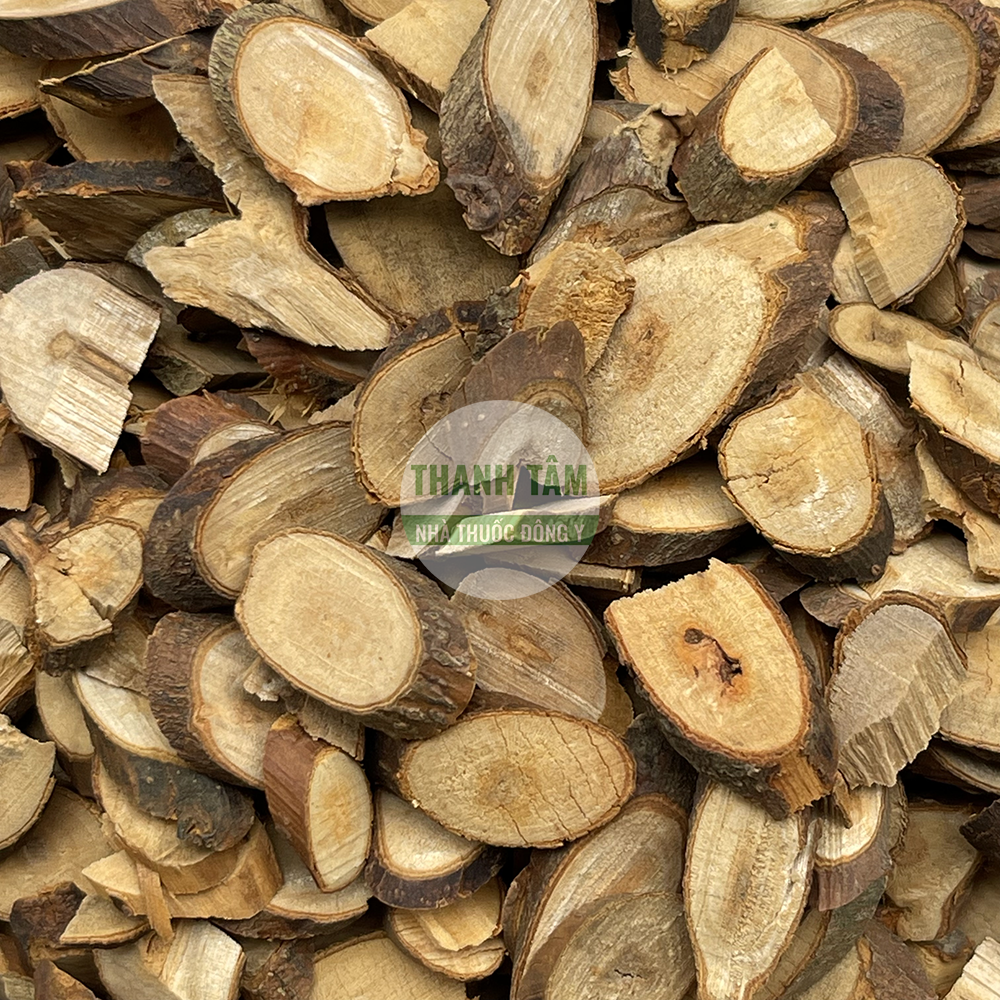
Cinnamon twig – young cinnamon branches used as a traditional TCM herb
- Scientific name / Pinyin / Chinese: Cinnamomum cassia Presl / Gui Zhi / 桂枝
- Flavors, Nature – Meridian: Pungent and Sweet; Warm Nature – enters the Heart, Lung, and Bladder Meridians
- Main benefits: Traditionally used to release Wind-Cold, warm the body, ease Cold-related aches, and promote the movement of Qi and Blood
- Reference dosage: 4–12 g per day, or as directed by a qualified Herb doctor
1. Origin and description
Cinnamon twig is the dried young branch of Cinnamomum cassia Presl, a tree in the Lauraceae family. Cinnamon is widely cultivated throughout Asia, including Vietnam, China, Laos, and Indonesia. In Vietnam, cinnamon trees are grown extensively in mountainous northern and central provinces for herbal medicine, culinary use, and essential oil production.
The young branches are harvested, cut into short sections, and then sun-dried or gently dried. The finished herb consists of slender cylindrical pieces with a yellowish-brown to reddish-brown outer surface. When cut or broken, it releases the characteristic aroma of cinnamon essential oil and has a mildly Pungent and Sweet taste.
Compared with Rou Gui, which is made from the bark, Gui Zhi has a lighter aroma and a gentler warming action. In TCM, it is particularly valued in formulas that release the exterior, warm the channels, and regulate circulation.
2. Related names of Cinnamon twig
Other names: Cassia twig, cinnamon branch, Gui Zhi, Quế cành, and Quế nhánh.
Scientific name: Cinnamomum cassia Presl.
Pinyin name: Gui Zhi.
Chinese name: 桂枝.
Gui Zhi appears in many classical TCM formulas, especially those traditionally used for Wind-Cold patterns. One of its best-known roles is helping harmonize Ying and Wei, often translated as the nutritive and defensive aspects of Qi.
3. Flavors, Nature – Meridian
Cinnamon twig is described as Pungent and Sweet with a Warm Nature. In traditional theory, the Pungent flavor helps disperse Wind-Cold and promote movement through the channels, while the Sweet flavor has a harmonizing and moderating quality.
The herb enters the Heart, Lung, and Bladder Meridians. Its relationship with the Lung and Bladder is associated with releasing the exterior and supporting mild perspiration in certain Wind-Cold patterns. Its Heart association is traditionally linked with warming the channels and promoting the movement of Blood.
These Meridian descriptions belong to the theoretical framework of TCM and should not be interpreted as direct effects on modern anatomical organs.
4. Benefits of Cinnamon twig in TCM
Cinnamon twig is widely used in traditional formulas because of its relatively gentle warming action and versatility. Common applications include:
- Releasing Wind-Cold: Traditionally used at the early stage of a Cold pattern involving chills, sensitivity to wind, headache, or body aches.
- Warming the body: Used to ease Cold sensations and support warmth in the hands and feet.
- Warming the channels: Included in formulas for muscle, joint, or limb discomfort that becomes worse in cold conditions.
- Promoting Qi and Blood movement: Traditionally used where Cold is believed to contribute to stagnation and discomfort.
- Harmonizing Ying and Wei: Commonly combined with Bai Shao in classical formulas intended to regulate the exterior and support overall balance.
These are traditional TCM applications and should not be interpreted as proven treatment for viral infections, cardiovascular disease, or chronic pain conditions.
5. How to use and dosage
Cinnamon twig may be prepared in several traditional ways:
- Decoction: Use approximately 4–12 g per day and simmer together with other herbs according to the formula.
- Warming porridge or soup: Traditional food preparations may combine a small amount with fresh ginger and scallion.
- Herbal wine: It may be included in some traditional warming preparations, but medicinal alcohol is not suitable for everyone.
- Culinary use: Small amounts may be added to stews or warming dishes for aroma and flavor.
When used as a traditional decoction for Cold patterns, it is generally consumed warm. Medicinal dosing should be adjusted according to the person’s constitution and accompanying herbs.
6. Indications and contraindications
Traditional indications
- Early Wind-Cold patterns with chills or sensitivity to wind
- Headache and body aches associated with Cold patterns
- Muscle or joint discomfort that worsens in cold weather
- Cold hands and feet associated with poor peripheral warmth
- Qi and Blood stagnation patterns associated with Cold
Contraindications and precautions
- Do not rely on Gui Zhi alone for high fever, severe infection, or persistent respiratory symptoms.
- People with Yin deficiency accompanied by pronounced Heat signs should use it cautiously.
- Pregnant women should consult a qualified healthcare professional or Herb doctor before medicinal use.
- Avoid prolonged high-dose use without professional guidance.
- People taking anticoagulants, blood-pressure medication, diabetes medication, or other regular medicines should seek professional advice before concentrated or prolonged use.
7. Reference herbal combinations with Quế chi
- For traditional Wind-Cold patterns: Cinnamon twig + Sheng Jiang + Gan Cao.
- For harmonizing Ying and Wei: Cinnamon twig + Bai Shao.
- For warming the channels and easing Cold-related discomfort: Cinnamon twig + Chuan Xiong.
- For supporting the movement of Qi and Blood: Cinnamon twig + Dang Gui.
- Classical combination for joint and limb discomfort: Quế chi may be combined with Shao Yao, Gan Cao, Ma Huang, Sheng Jiang, Bai Zhu, Zhi Mu, Fang Feng, and prepared Fu Zi. Traditional formulas containing Ma Huang or Fu Zi require professional supervision because these herbs have important safety considerations and are not appropriate for unsupervised self-treatment.
These herbal combinations are provided for traditional reference only. Formula selection and dosage should be individualized by a qualified Herb doctor.
8. Frequently asked questions
Is Cinnamon twig the same as Cassia cinnamon bark?
No. Gui Zhi is made from the young twigs or branches of the cinnamon tree, while Rou Gui is made primarily from the bark. In TCM, Rou Gui is generally considered stronger and more deeply warming. Gui Zhi acts more gently and is traditionally used to release the exterior, warm the channels, and promote circulation.
Can Cinnamon twig be used every day?
It may be used for a short period when appropriate to the TCM pattern, but routine medicinal use every day is generally unnecessary. Long-term use or higher doses should be discussed with a qualified professional.
Can people with low blood pressure use Cinnamon twig?
Low blood pressure alone does not determine whether Gui Zhi is appropriate. People who experience dizziness, fainting, cardiovascular symptoms, or who take blood-pressure medication should consult a healthcare professional before medicinal use rather than using it specifically to raise or regulate blood pressure.
👉 Visit Thanh Tam Herbs – a trusted Herbal pharmacy offering carefully sourced TCM herbs and professional guidance.
Nguồn tham khảo
- Dược điển Việt Nam.
- Lương y Hy Lãn Hoàng Văn Vinh, Cây thuốc vị thuốc Đông y, Nhà xuất bản Hà Nội, 2001.
- Tài liệu, hướng dẫn và thông tin chuyên ngành từ Bộ Y tế.
Rate this article
How useful was this article?
Tác giả bài viết