Lily bulb | Traditional Herbal Medicines
🌿 Lily bulb – Uses, dosage, and TCM combinations for nourishing Yin and calming the mind
Lily bulb, known as Bai He, is an edible TCM ingredient traditionally used to nourish Yin, moisten the Lung, clear mild heat, and calm restlessness. It commonly appears in formulas and food-therapy dishes for dry cough, throat dryness, weakness after illness, irritability, and sleep difficulty associated with deficiency patterns.
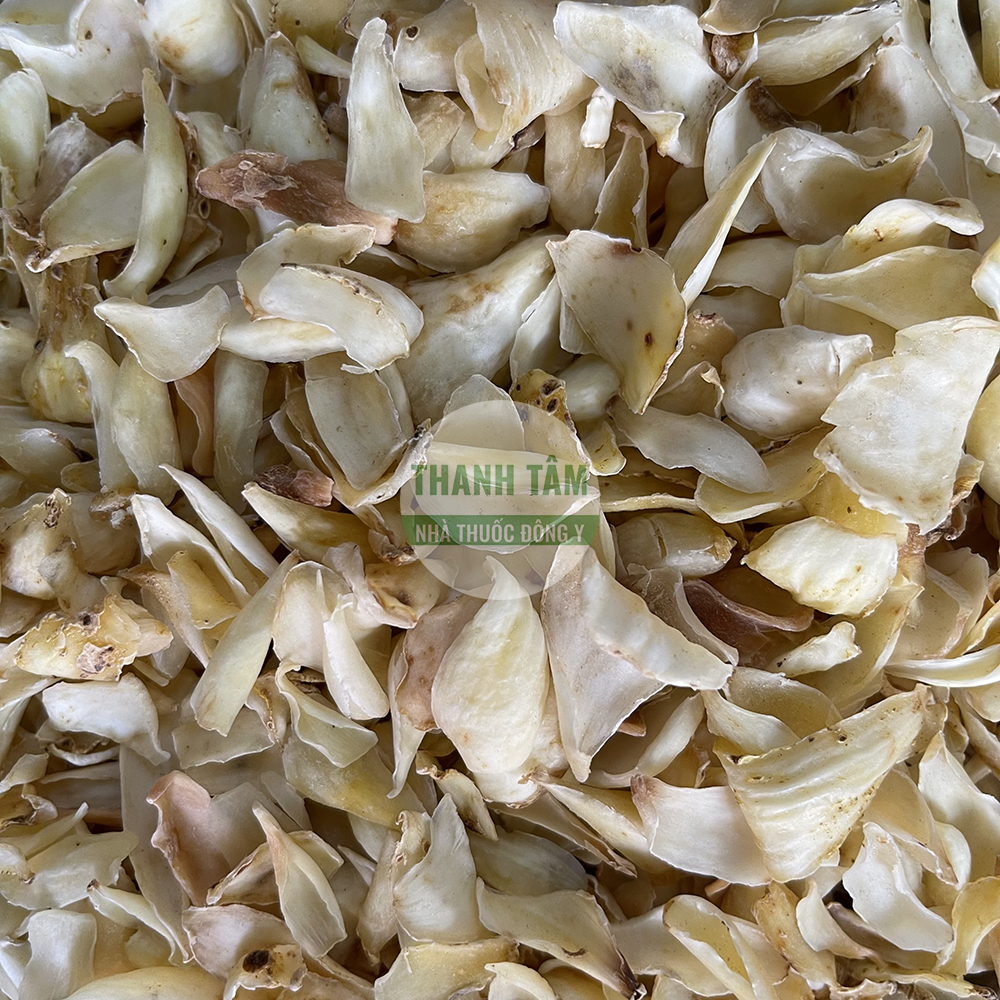
Lily bulb – a TCM herb for nourishing Yin and moistening the Lung
- Scientific name / Pinyin / Chinese: Lilium brownii and related medicinal Lilium species / Bai He / 百合
- Flavors, Nature – Meridian: Sweet, Neutral to slightly Cold – Heart and Lung Meridians
- Main benefits: Nourishes Yin, moistens the Lung, supports dry cough relief, calms mild restlessness, and provides gentle nourishment during recovery.
- Reference dosage: Commonly 6–15 g of dried bulb per day in decoctions or food; the appropriate amount depends on preparation and individual constitution.
1. Origin and description
Lily bulb is the fleshy underground bulb of selected plants in the genus Lilium, family Liliaceae. Common medicinal sources include Lilium brownii and other recognized edible lily species. The plants generally grow in temperate or mountainous areas with cool weather, loose soil, and good drainage.
The bulb consists of overlapping scales, reflected in the name Bai He, often interpreted as “many parts joined together.” Fresh scales are ivory-white to pale yellow, tender, and mildly Sweet.
After harvesting, the bulbs are cleaned and dried for medicinal use. Fresh bulbs may also be cooked in congee, soup, desserts, or steamed dishes. Good dried material should be pale, clean, mildly aromatic, and free from mold, insects, excess moisture, or sour odor.
2. Related names of Lily bulb
Other names: Bai He, dried lily bulb, edible lily bulb, lily scales, Bá hạp, Bách hợp khô, and Bách hợp phiến.
Scientific name: Commonly Lilium brownii; recognized medicinal products may also come from other approved Lilium species.
Pinyin name: Bai He.
Chinese name: 百合.
The medicinal ingredient is the bulb, not decorative flower petals. Not every ornamental lily product is edible, so only traceable food-grade or medicinal-grade material should be consumed.
3. Flavors, Nature – Meridian
In TCM, Bai He has a Sweet Flavor and is generally described as Neutral to slightly Cold. It enters the Heart and Lung Meridians.
The Sweet Flavor is associated with nourishment and deficiency patterns. Its moistening quality is used when Lung fluids are insufficient, causing dry cough, dry throat, scanty phlegm, or lingering irritation.
Its Heart association explains traditional use for mild restlessness or disturbed sleep linked to Yin deficiency. These TCM descriptions do not make it a sedative or psychiatric treatment.
4. Benefits of Lily bulb in TCM
The best-known TCM actions are nourishing Yin, moistening the Lung, clearing mild deficiency heat, and calming the mind.
Nourishes Yin and moistens the Lung: It may be included in formulas for a long-lasting dry cough, dry throat, or cough with little phlegm when Lung Yin deficiency is present.
Supports calmness: Bai He is traditionally selected for restlessness, irritability, poor sleep, or emotional discomfort following illness. It should not replace assessment for persistent insomnia, anxiety, or depression.
Supports recovery: Its mild taste and edible nature make it suitable for congee and soup intended for people with reduced appetite or weakness after illness.
Provides food-based nourishment: The bulb contains starch, polysaccharides, proteins, saponins, phenolic compounds, and other plant constituents.
Laboratory and animal research has explored antioxidant, anti-inflammatory, immune-related, and calming effects. Human evidence remains limited, and the food-herb does not cure bronchitis, pneumonia, insomnia, or immune disorders.
5. How to use and dosage
Lily bulb may be used as a decoction ingredient or cooked as food. Dried scales are usually soaked briefly and rinsed before use.
Decoction: Use about 6–15 g of dried material in a professionally designed formula. It may be combined with glehnia root, dwarf lilyturf root, or polygonatum for suitable dryness patterns.
Congee or dessert: Cook fresh or dried scales with rice, lotus seed, red jujube, or longan for a soft, mildly Sweet dish.
Soup: Add to chicken, lean-meat, or vegetable soup near the later stage of cooking to preserve its texture.
Powdered or prepared products: Follow the labeled serving and choose products with clear species identification and quality information.
More is not necessarily better. People with weak digestion or loose stools may need a smaller amount.
6. Indications and contraindications
Indications
In TCM, Bai He may be considered for dry cough from Lung Yin deficiency, dry throat, mild restlessness, post-illness sleep disturbance, fatigue, or fluid-deficiency constipation. The cause should be assessed before use.
Contraindications
People with Spleen deficiency-cold, frequent diarrhea, abdominal coldness, poor appetite, or a productive cough with abundant thin phlegm should avoid self-treatment.
Anyone allergic to edible lilies should avoid it. Pregnant or breastfeeding people, children with medical conditions, and those taking long-term medicines should seek professional advice.
Seek medical care for coughing up blood, breathing difficulty, chest pain, high fever, unexplained weight loss, severe insomnia, or a cough that persists or worsens.
7. Reference herbal combinations with Bách hợp
- Nourishing soup: Bách hợp may be combined with Chinese yam, codonopsis root, polygonatum, fox nut, longan, goji berry, lotus seed, astragalus root, and red jujube.
- Lung Yin support: Bách hợp with anemarrhena rhizome, fritillaria bulb, asparagus root, dwarf lilyturf root, stemona root, mulberry root bark, coix seed, and loquat leaf.
- Supporting urination and bowel movement: Bách hợp with dwarf lilyturf root, white peony root, licorice root, and rice-paper plant pith.
- Edema-related formula: Bách hợp with white peony root, poria, plantain seed, and mulberry root bark under professional guidance.
- Qi- and fluid-support formula: Bách hợp with white peony root, honey-fried licorice, dwarf lilyturf root, and schisandra fruit.
These combinations are references, not self-prescribing instructions. Some symptoms require medical investigation.
8. Frequently asked questions
Can Lily bulb be eaten every day?
A moderate food portion may suit many adults, but daily medicinal use is unnecessary. People with loose stools or weak digestion should use caution.
Is fresh or dried bulb better?
Both may be used. Fresh material suits cooking, while dried scales store longer and are easier to measure.
How quickly does it work?
There is no fixed timeline. Response depends on the symptom, cause, preparation, and treatment plan.
Who may benefit from it?
It may suit people with a dry cough, throat dryness, mild deficiency-related restlessness, or a need for gentle food-based nourishment when the TCM pattern is appropriate.
👉 Thanh Tam Herbs – A trusted Herbal pharmacy for carefully selected medicinal herbs
Nguồn tham khảo
- Dược điển Việt Nam.
- Lương y Hy Lãn Hoàng Văn Vinh, Cây thuốc vị thuốc Đông y, Nhà xuất bản Hà Nội, 2001.
- Tài liệu, hướng dẫn và thông tin chuyên ngành từ Bộ Y tế.
Rate this article
How useful was this article?
Tác giả bài viết