Hawthorn Fruit | Traditional Herbal Medicines
🌿 Hawthorn Fruit – A TCM Herb Traditionally Used to Support Digestion and Relieve Post-Meal Fullness
Hawthorn fruit is a familiar herb in TCM and traditional herbal practice. It is commonly used to support digestion, especially after heavy meals rich in meat, protein, or oily foods. Traditionally, the herb is also included in formulas intended to promote comfortable circulation and support healthy metabolic balance. Its pleasantly Sour and Sweet taste also makes it a popular ingredient in herbal teas.

Hawthorn fruit – a traditional food-stagnation herb in TCM
- Scientific name / Pinyin / Chinese: Docynia indica / Shan Zha / 山楂
- Flavors, Nature – Meridian: Sour and Sweet; Warm Nature – enters the Spleen, Stomach, Liver, and Lung Meridians
- Main benefits: Traditionally used to support digestion, ease post-meal fullness, and help the body process heavy or greasy foods
- Reference dosage: 6–15 g per day, or as directed by a qualified Herb doctor
1. Origin and description
Hawthorn fruit in this article refers to the dried ripe fruit of Docynia indica, a plant in the Rosaceae family. It has long been used as both food and herbal material in parts of Asia. In Vietnam, related fruits are also commonly called “táo mèo” in northern mountainous regions and are valued for their distinctive tart flavor.
The plant grows as a small tree or shrub, usually around two to six meters tall. It has serrated leaves, white flowers, and fruit that becomes deep red to reddish-brown as it matures. The ripe fruit has a pronounced Sour taste with a mild natural aroma and is generally harvested in autumn.
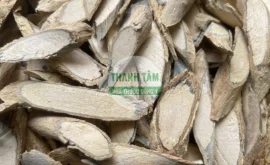
After harvesting, the fruit is washed, prepared, sliced, and then sun-dried or gently dried for herbal use. Good-quality dried fruit typically has a reddish-brown color, a light fruity fragrance, and a clearly Sour taste without an unpleasant or burnt odor.
2. Related names of Hawthorn fruit
Other names: Táo mèo, Sơn lý hồng, Sơn lê, Hải hồng, Sơn trà.
Scientific name: Docynia indica.
Pinyin name: Shan Zha.
Chinese name: 山楂.
In TCM, Shan Zha is classically grouped among herbs that reduce food stagnation. It is especially associated with digestive discomfort caused by overeating and with stagnation after rich, oily, or meat-heavy meals.
3. Flavors, Nature – Meridian
Hawthorn fruit is described as Sour and Sweet with a Warm Nature. In traditional theory, the Sour taste is associated with stimulating digestive activity and helping break down accumulated food, while the Sweet quality helps harmonize the digestive system and soften the overall action of the herb.
It is traditionally said to enter the Spleen, Stomach, Liver, and Lung Meridians. Its actions on the Spleen and Stomach are mainly associated with digestion and food stagnation. Its relationship with the Liver is traditionally connected with the movement of Blood and Qi. These concepts belong to the diagnostic framework of TCM and should not be interpreted as direct effects on modern anatomical organs.
4. Benefits of Hawthorn fruit in TCM
This herb is widely used in traditional formulas because of its practical role in digestive support. Common TCM applications include:
- Supporting digestion: Traditionally used to ease fullness, bloating, and discomfort after overeating.
- Reducing food stagnation: Particularly valued after meals containing large amounts of meat, protein, or oily foods.
- Supporting comfortable circulation: Included in some traditional formulas intended to promote the movement of Blood.
- Easing mild post-meal nausea: Sometimes used when nausea accompanies indigestion or food stagnation.
- Supporting healthy lipid metabolism: Hawthorn has been studied for possible effects on blood lipids, but it should not replace prescribed treatment for high cholesterol or other metabolic conditions.
Today, hawthorn is also commonly included in herbal teas and digestive blends intended for occasional use after meals.
5. How to use and dosage
Hawthorn fruit is relatively easy to prepare and may be used in several traditional ways:
- Decoction: Use approximately 6–15 g of dried fruit and simmer in water. It is often taken after meals.
- Herbal tea: Steep sliced dried fruit in hot water and drink warm.
- Herbal beverage: The fruit may be simmered with water and a small amount of rock sugar for taste.
- Combined formulas: It may be paired with herbs such as Chen Pi or Sha Ren depending on the TCM pattern.
People with sensitive stomachs should generally avoid taking strongly Sour preparations on an empty stomach. The most appropriate amount and duration depend on the individual and the intended use.
6. Indications and contraindications
Traditional indications
- Post-meal fullness and bloating
- Indigestion or a heavy sensation after eating
- Reduced appetite associated with food stagnation
- Mild nausea associated with indigestion
- Digestive discomfort after rich or greasy meals
Contraindications and precautions
- People with active or severe stomach ulcers, significant gastritis, or persistent abdominal pain should seek medical advice before use.
- Those with weak digestion or stomach discomfort when hungry should use it cautiously.
- Avoid excessive doses or prolonged self-treatment.
- Pregnant or breastfeeding women should consult a qualified healthcare professional or Herb doctor before use.
- People taking prescription medication for cardiovascular conditions, blood pressure, or blood lipids should seek professional advice before regular use.
7. Reference herbal combinations with Sơn tra
- For post-meal fullness and indigestion: Hawthorn fruit + Chen Pi.
- For digestion after oily or heavy foods: Hawthorn fruit + Mai Ya.
- For appetite and abdominal comfort: Hawthorn fruit + Sha Ren.
- For traditional circulation support: Sơn tra + Dan Shen.
- For food-stagnation patterns: Sơn tra + Bai Zhu + Shen Qu. Classical preparations may grind the herbs into powder and form pills, but such formulas should be used only under professional guidance rather than copied for self-treatment.
The combinations above are provided for traditional reference only. Formula selection should be based on an individual TCM assessment by a qualified Herb doctor.
8. Frequently asked questions
Can Hawthorn fruit be used every day?
Small amounts are used regularly in some traditional food and tea preparations, but daily medicinal use is not suitable for everyone. If you plan to use it continuously, ask a healthcare professional or Herb doctor about the appropriate dosage and duration.
Can Hawthorn fruit cause stomach discomfort?
Its naturally Sour taste may cause irritation or a burning sensation in people with a sensitive stomach, especially when taken on an empty stomach or in concentrated preparations.
When is the best time to use Hawthorn fruit?
In traditional practice, it is commonly taken after meals when the goal is to relieve a heavy or overly full sensation. There is no universal requirement that it must be taken exactly 30 minutes after eating.
👉 Visit Thanh Tam Herbs – a trusted Herbal pharmacy offering carefully sourced TCM herbs and professional guidance.
Nguồn tham khảo
- Dược điển Việt Nam.
- Lương y Hy Lãn Hoàng Văn Vinh, Cây thuốc vị thuốc Đông y, Nhà xuất bản Hà Nội, 2001.
- Tài liệu, hướng dẫn và thông tin chuyên ngành từ Bộ Y tế.
Rate this article
How useful was this article?
Tác giả bài viết