Ophiopogon Root | Traditional Herbal Medicines
🌿 Ophiopogon Root – A TCM Herb for Nourishing Yin, Moistening the Lung, and Relieving Internal Dryness
Ophiopogon root, known in TCM as Mai Men Dong, is the dried tuberous root of Ophiopogon japonicus. It is traditionally used to nourish Yin, generate body fluids, moisten the Lung, and ease dryness-related discomfort. It may be considered for a dry throat, thirst, dry cough, or weakness after illness, but it is not a substitute for medical diagnosis or treatment.
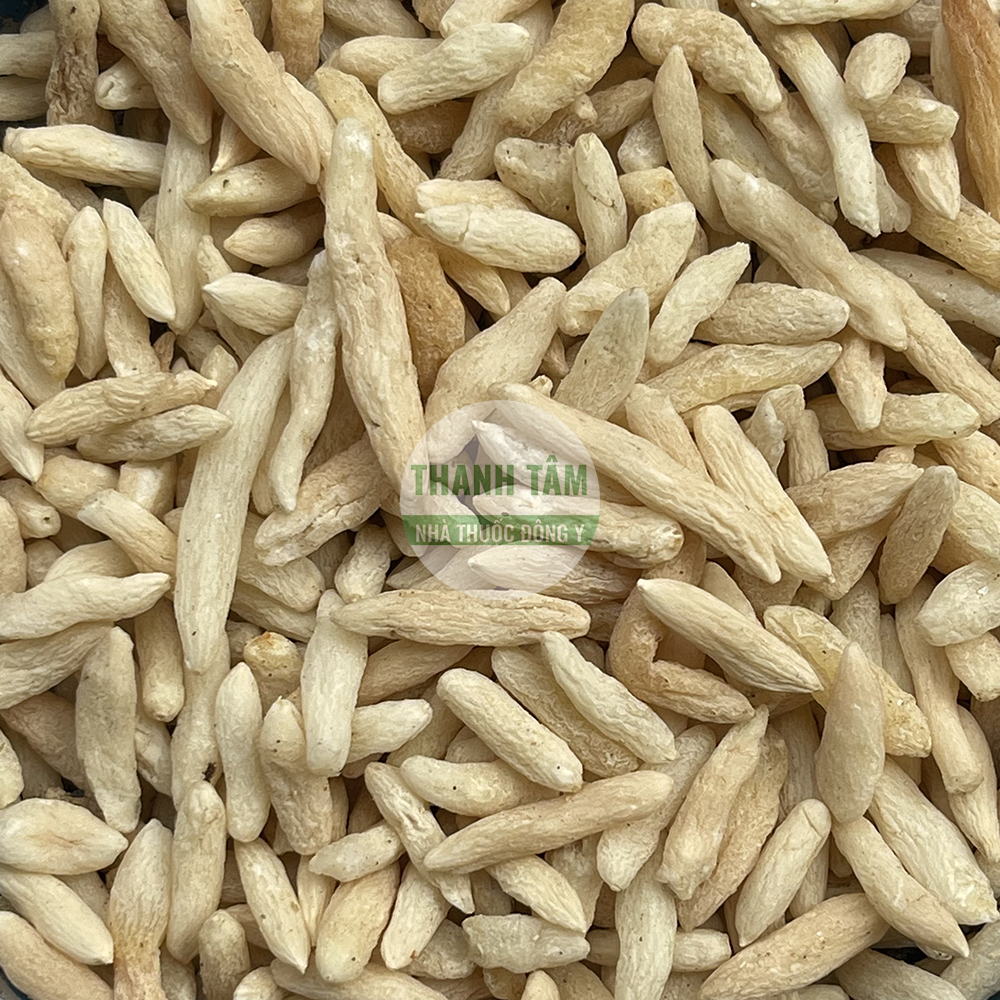
Ophiopogon root – a TCM herb for nourishing Yin and generating body fluids
- Scientific name / Pinyin / Chinese: Ophiopogon japonicus / Mai Men Dong / 麦门冬
- Flavors, Nature – Meridian: Sweet and slightly Bitter, Cool – enters the Heart, Lung, and Stomach meridians
- Main benefits: Traditionally used to nourish Yin, moisten the Lung, generate body fluids, relieve thirst, and calm mild restlessness associated with dryness or Yin deficiency.
- Reference dosage: 6–20 g of dried root daily in a decoction, adjusted by a qualified Herb doctor.
1. Origin and description
Ophiopogon root is obtained from the dried tuberous roots of Ophiopogon japonicus (Thunb.) Ker Gawl., a perennial plant in the Asparagaceae family. Older herbal references may place it in the lily family. The plant is native to East Asia and is cultivated in several Asian countries, including Vietnam.
It is a low-growing evergreen herb, usually about 20–40 cm tall. It has long, narrow leaves, small flowers, and underground roots that develop spindle-shaped or cylindrical tubers.
After harvesting, the tubers are washed, separated from fine roots, and dried. Good material is firm, pale yellow to ivory, mildly fragrant, slightly sweet, and free from mold or insects.
2. Related names of Ophiopogon Root
Other names: Dwarf lilyturf root, mondo grass root, Ophiopogon tuber, Mai Men Dong, Mai Dong, Mạch môn, Mạch môn đông, and Mạch đông.
Scientific name: Ophiopogon japonicus (Thunb.) Ker Gawl.
Pinyin name: Mai Men Dong.
Chinese name: 麦门冬.
The medicinal material is the dried root tuber, not the leaves, berries, or ornamental plant as a whole. It should also be distinguished from Tian Men Dong, or asparagus root, which is a different TCM herb.
3. Flavors, Nature – Meridian
According to TCM, the herb has a Sweet and slightly Bitter flavor and a Cool nature. It enters the Heart, Lung, and Stomach meridians.
The Sweet flavor is associated with nourishment and fluid generation, while the slightly Bitter and Cool qualities help ease deficiency heat and dryness.
In the Lung, Stomach, and Heart meridians, it is used for dryness, thirst, dry cough, and mild restlessness related to Yin deficiency.
4. Benefits of Ophiopogon Root in TCM
- Nourishing Yin and generating fluids: It may be included in formulas when body fluids have been depleted by fever, prolonged illness, excessive heat, or physical exhaustion.
- Moistening the Lung: Traditional use includes dry cough, a dry or irritated throat, and scanty phlegm associated with Lung dryness or Lung Yin deficiency.
- Relieving thirst: It may support people who experience persistent thirst, dry mouth, or discomfort after a febrile illness, depending on the diagnosed pattern.
- Harmonizing the Stomach: Some formulas use it for poor appetite, nausea, or dry retching when Stomach Yin is insufficient.
- Calming mild restlessness: It may be considered for irritability, a warm sensation, or light sleep related to Yin deficiency, but it is not a treatment for anxiety or chronic insomnia.
The root contains several plant compounds, but evidence is insufficient to claim that it independently treats respiratory disease, diabetes, heart disease, or chronic fatigue.
5. How to use and dosage
A commonly referenced dosage is 6–20 g daily, adjusted to the formula, constitution, symptoms, and current medicines.
- Decoction: Rinse briefly and simmer with water, alone or with other herbs prescribed for the diagnosed pattern.
- Herbal infusion: A small amount may be infused with hot water, although tougher roots are generally extracted more effectively by simmering.
- Soup: It may be added to chicken or pork-rib soup as a traditional wellness food, using a moderate quantity.
- Herbal combinations: It is often paired with glehnia root, Solomon’s seal rhizome, or rehmannia root according to the TCM pattern.
Use only clean, correctly identified material and begin with a professionally recommended amount.
6. Indications and contraindications
Indications
Based on TCM pattern differentiation, Ophiopogon root may be considered for dry cough, a dry throat, thirst, dry mouth, mild restlessness, poor appetite caused by Stomach dryness, and weakness after a prolonged illness.
Persistent cough, coughing blood, breathing difficulty, chest pain, severe thirst, or ongoing fatigue requires medical assessment.
Contraindications and precautions
People with Spleen and Stomach deficiency-Cold, frequent loose stools, abdominal coldness, marked bloating, or abundant thin phlegm should use the herb cautiously. Its moistening quality may worsen diarrhea or phlegm-dampness in unsuitable patterns.
Pregnant or breastfeeding women, children, and people taking medicines should consult a doctor or qualified Herb doctor. Avoid prolonged high doses. Stop use if diarrhea, rash, swelling, or breathing difficulty occurs.
7. Reference herbal combinations with Mạch môn
- Dryness affecting Lung and Stomach Yin: Mạch môn may be combined with glehnia root, Solomon’s seal rhizome, mulberry leaf, trichosanthes root, hyacinth bean, and licorice root under professional guidance.
- Generating fluids after heat or illness: It may be paired with fresh rehmannia root according to the individual pattern.
- Dry cough with throat irritation: Traditional formulas may combine it with platycodon root and licorice root.
- Weakness with internal dryness: It may be used with Solomon’s seal rhizome in a supervised nourishing formula.
- Vomiting blood or persistent bleeding: Classical references contain combinations involving fresh plant juices, but bleeding requires urgent medical assessment and should never be self-treated.
These combinations are educational references, not universal prescriptions.
8. Frequently asked questions
- Can Ophiopogon Root be used every day?
Short-term use may suit some people, but continuous medicinal use needs professional supervision. - Can it cause abdominal coldness or diarrhea?
Yes. People with weak, cold digestion or loose stools may experience discomfort. - Can it be used for a cough with phlegm?
Suitability depends on the phlegm pattern. Abundant thin phlegm may require different or additional herbs. - Does it treat diabetes because it relieves thirst?
No. Severe or persistent thirst may indicate high blood sugar and requires medical testing. - Can children use it?
Children should only use medicinal amounts after assessment by a qualified healthcare professional. - How can I identify good-quality material?
Choose firm, pale yellow or ivory root tubers with a mild natural scent, slight sweetness, no mold, and transparent sourcing.
👉 Visit Thanh Tam Herbs – a trusted Herbal pharmacy for quality TCM herbs and professional guidance.
Nguồn tham khảo
- Dược điển Việt Nam.
- Lương y Hy Lãn Hoàng Văn Vinh, Cây thuốc vị thuốc Đông y, Nhà xuất bản Hà Nội, 2001.
- Tài liệu, hướng dẫn và thông tin chuyên ngành từ Bộ Y tế.
Rate this article
How useful was this article?
Tác giả bài viết