Barbed skullcap | Traditional Herbal Medicines
🌿 Barbed skullcap – A TCM herb for clearing heat, detoxifying, and reducing swelling
Barbed skullcap is a TCM herb traditionally used to clear heat, remove toxins, promote urination, and support relief from swelling and discomfort. Because it has a Cold Nature, it is generally more suitable for heat or damp-heat patterns and should not be used continuously without professional guidance.
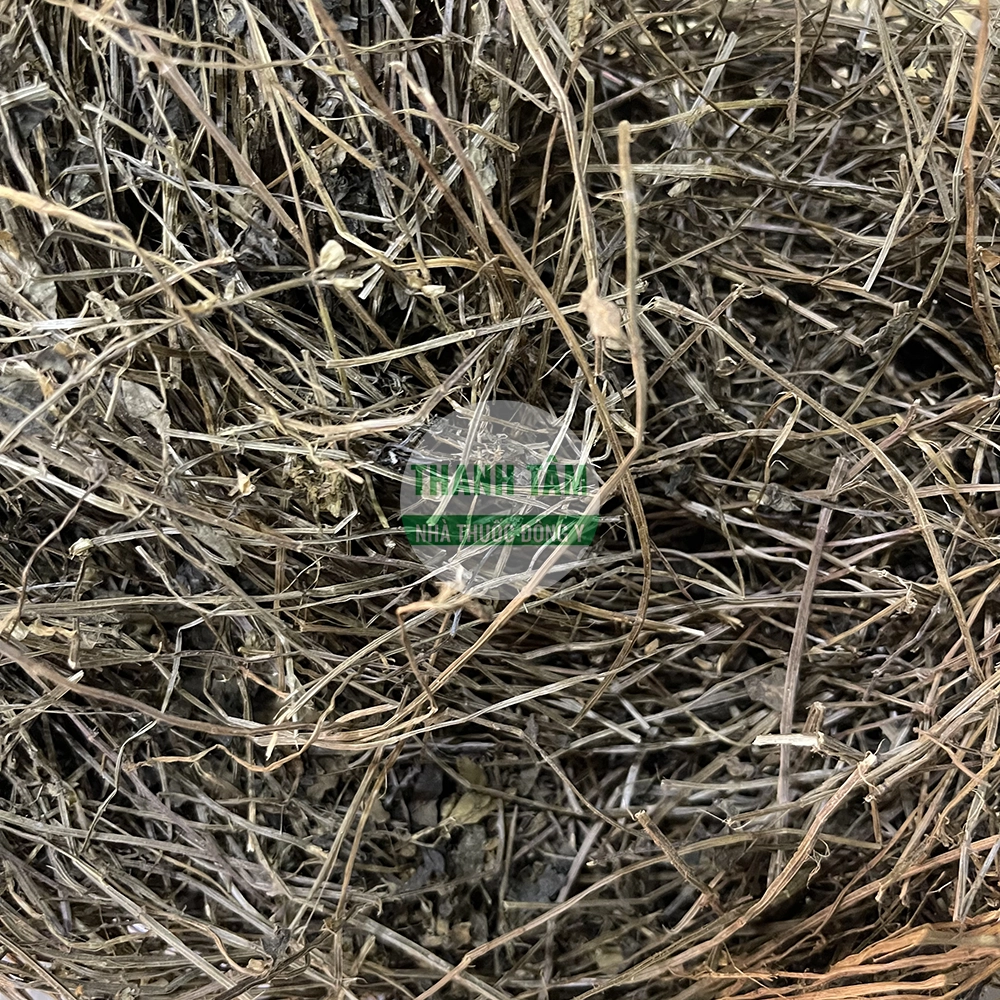
Barbed skullcap – a TCM herb for clearing heat and detoxifying
- Scientific name / Pinyin / Chinese: Herba Scutellariae Barbatae / Ban Zhi Lian / 半枝莲
- Flavors, Nature – Meridian: Pungent, slightly Bitter, Cold – Liver, Lung, and Kidney Meridians
- Main benefits: Clears heat, detoxifies, supports relief from hot swelling, promotes urination, and helps reduce blood stasis according to TCM.
- Reference dosage: 15–30 g of dried herb per day as a decoction; use an appropriate amount for external application.
1. Origin and description
Barbed skullcap is the dried aerial part of Scutellaria barbata D. Don, a plant in the mint family (Lamiaceae). It commonly grows in moist areas, along field edges, beside irrigation ditches, or near streams and other water sources.
The plant has a square stem that branches from the base. Its leaves grow opposite each other, with narrow blades and serrated margins. The small bluish-purple flowers usually develop toward one side of the branch. The aerial portion is harvested during flowering, cleaned, cut, and then sun-dried or gently dried.
The finished herbal material is usually greenish brown, with a mild odor and a slightly Bitter taste. Good-quality material should be dry, free from mold, and contain little unrelated plant matter.
2. Related names of Barbed skullcap
Other names: Hoàng cầm râu, Nha loát thảo, Bán chi liên thảo.
Scientific name: Herba Scutellariae Barbatae.
Pinyin name: Ban Zhi Lian.
Chinese name: 半枝莲.
This herb should not be confused with Ban Bian Lian, which is Lobelia chinensis. They are different medicinal plants with distinct features and uses. It is also not the same as Huang Qin, commonly known as Chinese skullcap root.
3. Flavors, Nature – Meridian
In TCM, the herb is described as Pungent, slightly Bitter, and Cold. These properties are traditionally associated with clearing heat, dispersing stagnation, and easing redness, warmth, swelling, and pain linked to heat-toxin patterns.
It enters the Liver, Lung, and Kidney Meridians. It is commonly considered when heat toxin, swelling, difficult urination, mild edema, or localized blood stasis is present. People who often experience abdominal coldness, loose stools, poor appetite, or weakness should use it cautiously.
4. Benefits of Barbed skullcap in TCM
Its main TCM actions are clearing heat and toxins, reducing swelling, promoting urination, and helping disperse blood stasis. In simple terms, it is used for internal heat signs such as red painful swelling, boils, sore throat, or reduced urination associated with damp heat.
In classical herbal combinations, the plant may be included for boils, swollen throat, jaundice related to damp heat, mild edema, urinary difficulty, traumatic swelling, or insect bites. Fresh material is sometimes washed, crushed, and applied externally around a mildly swollen area.
The herb is also present in certain supportive TCM formulas for masses or abnormal accumulations. Clinical evidence remains limited. It is not a cancer cure and must not replace surgery, chemotherapy, radiotherapy, targeted therapy, or other standard treatment.
5. How to use and dosage
Barbed skullcap is commonly prepared as a decoction, combined with other herbs in a prescription, or used externally. A general reference dosage is 15–30 g of dried material daily, adjusted to the person’s condition and complete formula.
- Decoction: Rinse the herb quickly, simmer it in water, and divide the liquid into the recommended servings for the day.
- Herbal combinations: It is often paired with Oldenlandia, honeysuckle flower, forsythia fruit, dandelion, or coix seed.
- External use: Wash the fresh plant carefully, crush it, and apply it around a mildly swollen area. Do not place it on deep wounds, severe infections, or broken skin without medical advice.
Do not increase the dose, drink it as daily tea, or use it for weeks without consulting a Herb doctor. Store the dried herb in a sealed container, away from moisture, mold, insects, and direct sunlight.
6. Indications and contraindications
Indications
According to TCM, the herb may be considered for painful swelling caused by heat toxin, boils, a swollen throat, damp-heat jaundice, reduced urination, mild edema, traumatic swelling with stasis, or local discomfort after insect bites. Appropriate use depends on pattern identification rather than symptoms alone.
Contraindications
Pregnant women and anyone with a known allergy to this plant should not use it without medical supervision. People with Spleen and Stomach deficiency-cold, frequent abdominal coldness, poor appetite, chronic diarrhea, or marked weakness should avoid self-treatment.
Children, older adults, and people with liver, kidney, or bleeding disorders, or ongoing cancer treatment, should consult a doctor or Herb doctor. Anyone taking anticoagulants, diuretics, or anticancer medicines should also report all herbal products to their treating clinician.
Stop using the herb and seek medical advice if rash, breathing difficulty, persistent abdominal pain, severe diarrhea, unusual bleeding, or another unexpected symptom develops.
7. Reference herbal combinations with Bán chi liên
- Boils and hot swelling: Bán chi liên may be combined with honeysuckle flower, forsythia fruit, and dandelion.
- Reduced urination and damp-heat edema: It may be combined with plantain seed, water plantain rhizome, and poria.
- Damp-heat jaundice: It may be paired with capillary artemisia, gardenia fruit, and gold coin grass.
- Abnormal accumulations in TCM: It may be combined with Oldenlandia only under professional direction.
These combinations are provided for reference only. They are not ready-to-use prescriptions and should not be prepared without individualized guidance.
8. Frequently asked questions
- Is Barbed skullcap the same as Oldenlandia?
No. They are two different herbs, although they are often used together in formulas intended to clear heat and toxins. - Can this herb cure cancer?
There is not enough clinical evidence to support that claim. Patients must not stop or delay standard cancer treatment in order to use this herb. - Can it be taken every day?
It should not be used as an everyday tea without guidance. Its Cold Nature may not suit people with weak digestion, frequent loose stools, or a cold constitution. - How can good-quality material be identified?
Choose material with visible stems, leaves, and flowers, a natural greenish-brown color, a dry texture, no mold, and a clearly documented source. - When should use be stopped?
Stop immediately if allergy symptoms, persistent digestive discomfort, unusual bleeding, or any other abnormal reaction appears.
👉 Thanh Tam Herbs – A trusted Herbal pharmacy for carefully selected medicinal herbs
Nguồn tham khảo
- Dược điển Việt Nam.
- Lương y Hy Lãn Hoàng Văn Vinh, Cây thuốc vị thuốc Đông y, Nhà xuất bản Hà Nội, 2001.
- Tài liệu, hướng dẫn và thông tin chuyên ngành từ Bộ Y tế.
Rate this article
How useful was this article?
Tác giả bài viết